


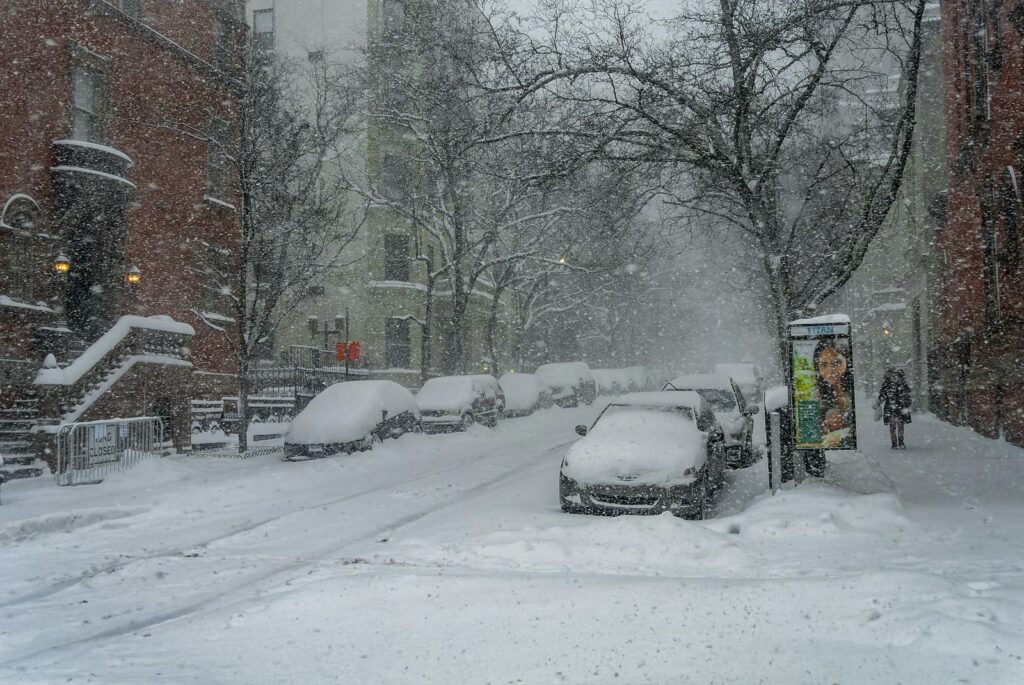
You watch the video and feel your pulse quicken as a massive tree collapses inches from a nun and a child during New York City’s historic blizzard. The scene captures a split-second rescue: the nun shields the child and lifts them away, and both walk away uninjured while branches splinter and snow piles around them.
The quick instincts and calm actions of the nun kept a dangerous situation from becoming a tragedy. The post explores how that moment unfolded, what role Winter Storm Hernando’s record snowfall played, and what the incident reveals about urban risks during extreme weather.

The Close Call: How the Child and Nun Escaped
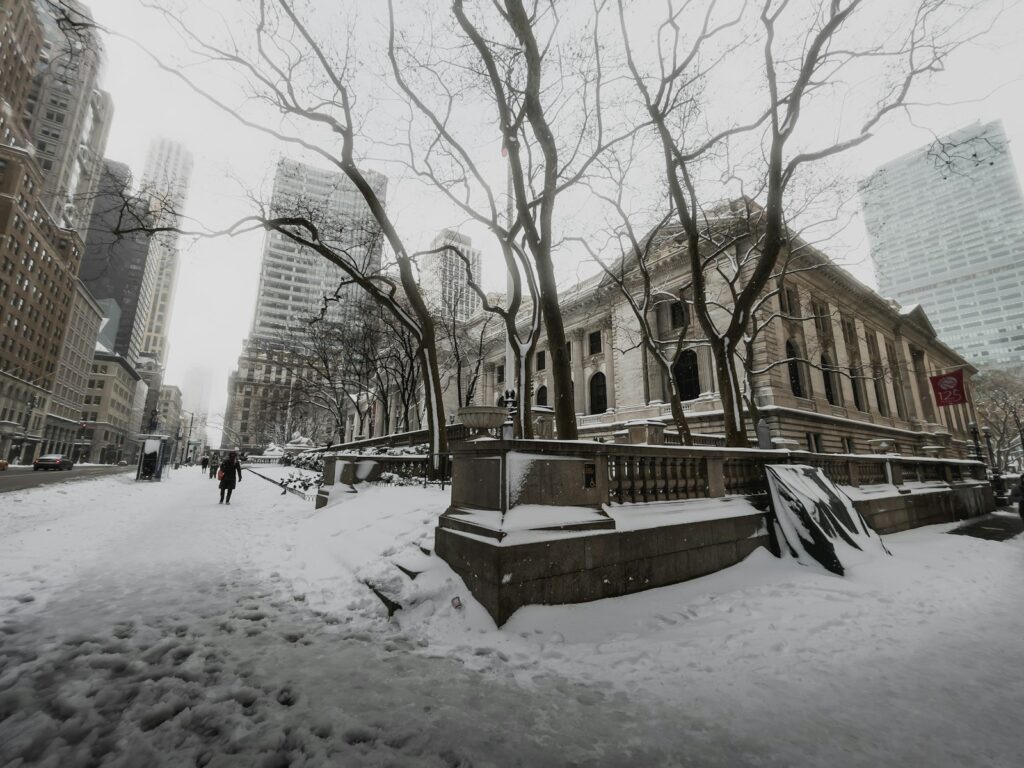
A sudden collapse of a large street tree during New York City’s historic blizzard forced split-second decisions that saved two lives. Rapid movement, quick thinking, and neighbor assistance turned what could have been a fatal event into a narrow escape.
Timeline of Events in Hell’s Kitchen
At about 3:20 p.m., wind gusts from Winter Storm Hernando intensified, whipping heavy, wet snow against the west side of 9th Avenue. The child and a nun were walking southbound when a loud cracking noise drew their attention; the tree’s root plate had sheared under saturated soil. They moved toward the building entrance as the trunk began to tilt.
Within three seconds the trunk struck the sidewalk where they’d been standing. A passerby shouted and grabbed the nun’s arm, pulling her and the child clear. Emergency calls were placed within 90 seconds; witnesses described the whole sequence as lasting under a minute. Photographs from nearby apartments show the tree lying across the sidewalk and part of the street immediately after impact.
The Heroic Actions of the Nun
The nun acted first, shielding the child as the tree started to fall. She stepped between the child and the trunk, using her body and a heavy satchel to create a buffer while directing the child toward a recessed doorway. Her training in calm, structured responses with children helped her keep the child’s breathing steady and their movements small.
When a branch shattered a nearby storefront window, she held the child low and to the rear, minimizing exposure to flying glass. Witnesses reported she continued to comfort the child after they were clear, checking for cuts and hypothermia until help arrived. Her insistence that bystanders move aside to allow emergency access likely sped the response.
Details About the Fallen Tree
The tree measured about 50 feet tall with a trunk roughly 24 inches in diameter. Heavy, saturated roots failed where the sidewalk had been undermined by thawing and refreeze cycles accelerated by Hernando’s precipitation and wind. Snow weight and wind load pushed the canopy off balance, producing the initial break at a major lateral limb.
Municipal records show the species as a London plane tree, commonly planted in Hell’s Kitchen for its pollution tolerance. Inspection after the fall revealed root rot and compacted soil, factors that reduce anchorage strength. The tree’s crown landed across the sidewalk and part of the bike lane, gouging the pavement and snapping several smaller street signs.
Immediate Response from Neighbors and Authorities
Neighbors reacted instantly: three residents used shovel handles and gloved hands to clear smaller branches and create a path to safety. Someone retrieved blankets and a thermos with warm water to prevent hypothermia in the child. A nearby building superintendent directed foot traffic away from the collapse zone.
NYC Parks and the Fire Department were on scene within 12 minutes after multiple 911 calls. First responders checked both survivors for injuries, treated minor abrasions, and staged a traffic control perimeter. Parks crews arrived to cut the trunk into sections and remove the hazard later that evening. The Department of Sanitation and local elected staff later scheduled a site inspection to assess tree risk and sidewalk repair needs.
Impact of Winter Storm Hernando on New York City
The blizzard dumped feet of snow, knocked down trees and power lines, and forced major travel and service disruptions across the city. Emergency crews and neighbors worked around the clock to clear streets, tend to damage, and help stranded residents.
Record-Breaking Snowfall and Its Effects
Winter Storm Hernando produced some of the highest single-storm totals in recent New York City history, with localized amounts approaching two feet in parts of the metro area. Suburbs like Islip reported even higher totals, which compounded roof-loading, sidewalk hazards, and flooding risk as melting began.
The heavy, wet snow and sustained gusts created whiteout conditions that shut down airports and halted mass transit during the storm. Thousands experienced power outages after lines and poles failed under the weight of ice and falling branches. The weather service issued blizzard warnings and the city declared a state of emergency to mobilize resources.
City agencies prioritized main arteries and transit-critical routes, but many residential streets remained uncleared for days. That slowed emergency response times and complicated trash collection and scheduled services.
Other Notable Incidents During the Blizzard
Fallen trees caused both near-misses and property damage across multiple boroughs. In Manhattan, a large street tree splintered and fell in Hell’s Kitchen, narrowly missing a child and a nun sheltering there, while another tree damaged an awning and shattered a second-floor window nearby. Fire and emergency units responded to those scenes to secure hazards and assist residents.
Beyond tree failures, building leaks and collapsed awnings appeared across neighborhoods where roofs carried heavy loads. Reports also documented multiple vehicle accidents on untreated roads and a rise in cold-related medical calls, including hypothermia risk for people displaced by outages.
Public shelters and warming centers opened in several neighborhoods to accommodate those without heat or power. Transit authorities posted widespread service advisories and flight suspensions at major airports, affecting both inbound and outbound travel.
City Cleanup Efforts and Community Response
NYC Emergency Management and the Department of Sanitation deployed plows, salt trucks, and crews to prioritized corridors first, then branched into residential neighborhoods. Crews focused on clearing bus routes, hospital access roads, and subway entrances to restore movement and emergency access.
Municipal response faced capacity limits; the city asked for patience as removal of larger debris and some downed trees required contract crews and specialized equipment. Residents and local businesses also organized informal cleanups, shoveling sidewalks, clearing hydrants, and coordinating with nearby property owners.
Volunteer groups and neighborhood associations increased outreach to check on seniors and people with mobility issues. The coordinated effort combined official resources and grassroots action to reduce immediate hazards and speed recovery across affected communities.
More from Decluttering Mom: