A high risk delivery in Brazil has ended in tragedy after one conjoined twin died shortly after birth and his brother later succumbed during emergency separation surgery. The case has drawn global attention to the agonizing decisions families and doctors face when a newborn’s only chance of survival lies in a procedure that is itself life threatening.
Specialists had warned that the surviving baby’s life was in immediate danger as long as he remained attached to his lifeless sibling, yet the rushed operation underscored how fragile even the best prepared interventions can be when vital organs and blood vessels are shared.
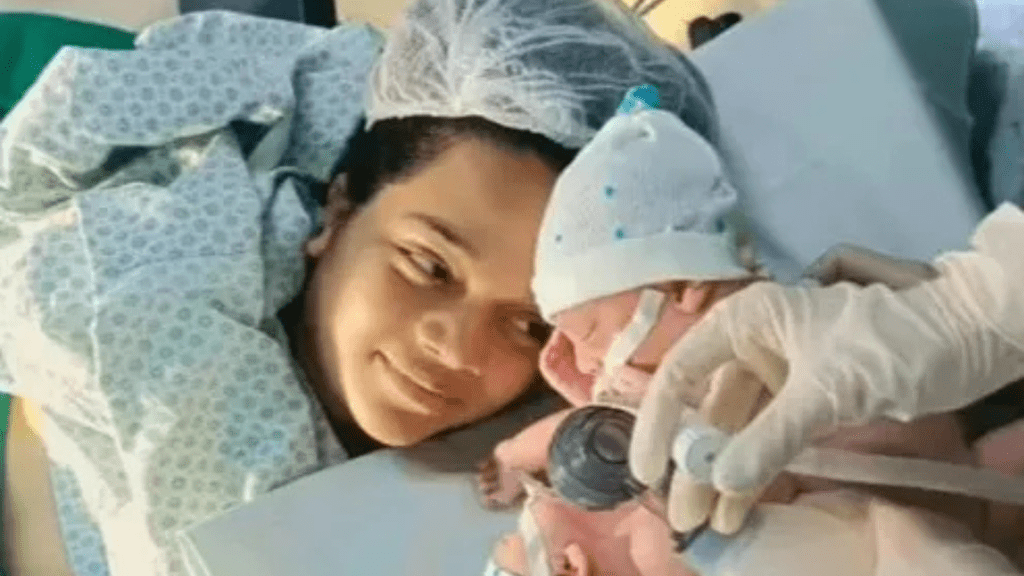
The emergency in Brazil and a family’s impossible choice
The twins were delivered earlier this year in Brazil, where doctors quickly realized that one baby had died soon after birth while the other was alive but critically unstable. The boys were joined at the chest, abdomen and pelvis, a configuration that meant they shared complex anatomy and required intensive care from the moment they arrived in the Neonatal Intensive Care Unit. Local reports described the case as Brazil’s latest reminder of how unforgiving conjoined twin births can be, even in well equipped hospitals.
Physicians explained to the parents that remaining attached to a lifeless body posed a direct threat to the surviving child’s heart and other organs. In a separate account of a similar case, specialists noted that a dead twin usually puts the surviving twin at risk of overwhelming sepsis through shared blood vessels and can trigger rapid organ failure if separation is delayed, a pattern described in a detailed clinical study. Against that backdrop, the Brazilian team told the family that an emergency operation was the only realistic chance to save their son, even though the odds were uncertain and the risks extreme.
Inside the high risk separation and the fight to save one twin
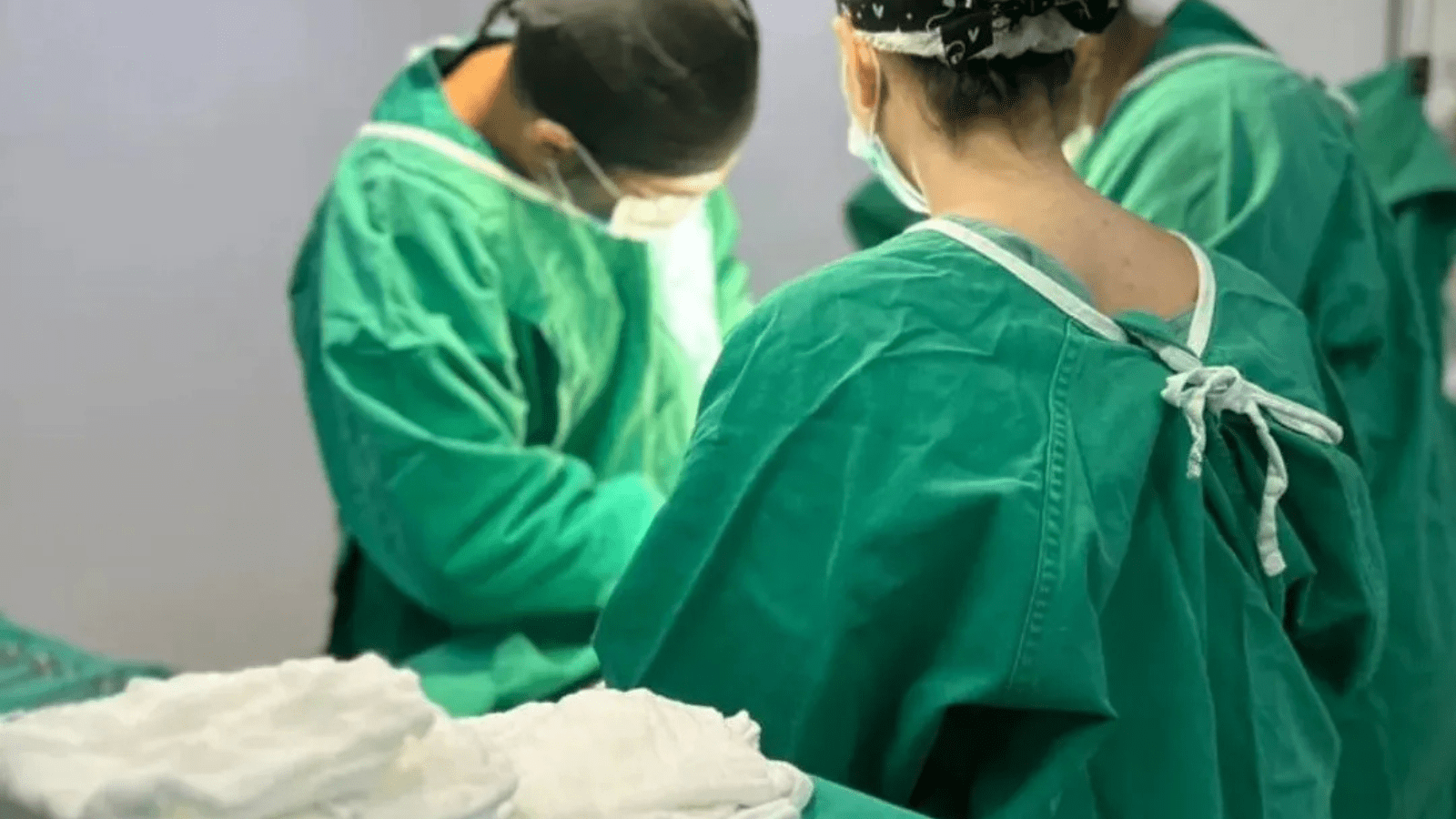
Surgeons moved ahead with the separation once it became clear that the surviving baby’s condition was deteriorating despite maximal support. In a social media statement, pediatric surgeon Marcos Calil said that in the early hours of Jan 8, the team confronted a rapidly worsening situation that required immediate action, describing how the baby had been requiring intensive care from birth. Calil explained that, given the seriousness of the case, they performed emergency surgery to separate the brothers in an attempt to save the second child, emphasizing that the decision was guided by both medical judgment and what he called professional humanity.
The operation itself was technically successful in that the twins were physically separated and transferred back to intensive care as individual patients. A similar account from another hospital described how conjoined newborns, once separated, remained in the Neonatal Intensive Care Unit while doctors monitored for complications that often emerge only hours later, including severe cardiac instability and infection, with one baby in that case dying after suffering successive cardiac arrests despite aggressive support in the Neonatal Intensive Care. In Brazil, the surviving twin followed a similarly fragile course, with the medical team warning the family that the next 48 hours would be critical.
Cardiac complications, public grief and the limits of modern medicine
Despite the separation, the baby’s heart could not withstand the strain of the surgery and his underlying defects. Hospital officials later confirmed that the child suffered repeated cardiorespiratory arrests and died of complications involving his heart, a sequence echoed in a separate report that described how a conjoined twin, separated from his lifeless brother two days after birth, died in intensive care because of complications involving his. In his statement, Marcos Calil said the team fought to reverse each arrest but the baby did not respond, and he ultimately passed away despite what he described as every possible intervention.
The death resonated widely in Brazil and beyond, in part because the story unfolded in real time on social media and in part because it highlighted how even the most advanced pediatric surgery cannot always overcome the biology of conjoined development. One detailed account noted that the surviving twin experienced multiple cardiorespiratory arrests and passed away after the final episode, a sequence summarized in a NEED to KNOW briefing. Earlier coverage had already framed the case as a breaking World story, with headlines stressing that the conjoined twins died after emergency separation surgery in World news alerts and tabloid summaries referring to the babies simply as Conjoined and CONJO in shorthand.
For the parents, the loss is immeasurable, and for clinicians it is a sobering reminder that even when every guideline is followed, outcomes can still be devastating. Specialists like Marcos Marcos Calil have stressed that the decision to operate was not taken lightly, pointing to the lethal risk of leaving a living baby attached to a dead sibling and to the rare but documented cases in which emergency separation has saved a child’s life. Yet as another detailed case report on conjoined twins, one healthy and one stillborn, makes clear, even successful separations are shadowed by the constant threat of sepsis and organ failure, with authors warning that the dead twin usually puts the survivor at risk of death through shared circulation, a danger that framed every step of this high risk Brazilian operation.
More from Decluttering Mom: