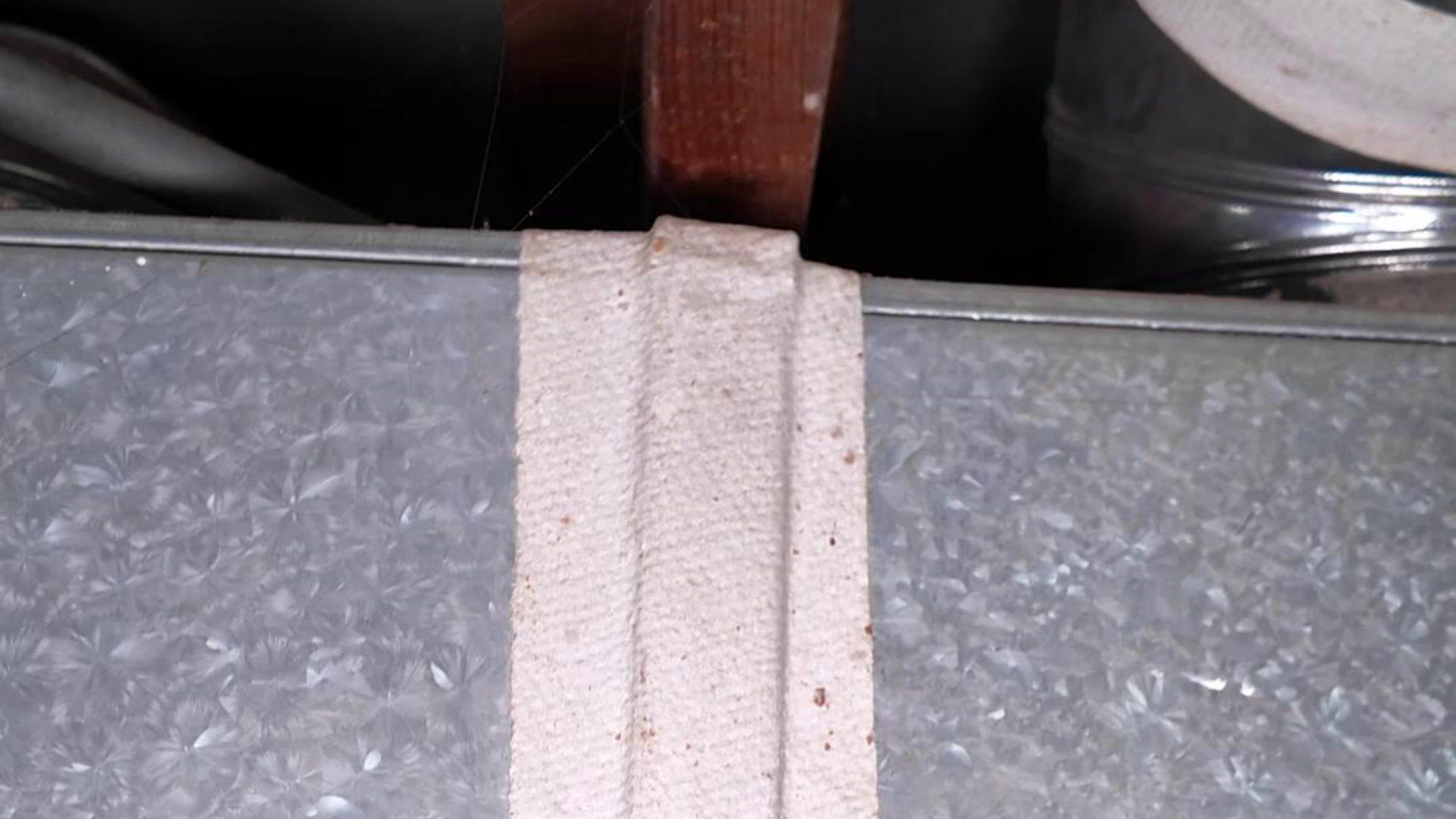
A contractor’s routine renovation turned into an unplanned safety lesson when he pulled back insulation on an aging HVAC duct and found a wrap job that wasn’t ordinary duct tape at all. In a video that has drawn more than 532,000 views, the contractor behind Spruce Hill Homes explained why the gray, cloth-like tape wound around the ductwork was very likely asbestos tape, and what that discovery means for anyone opening up an older home.
https://www.tiktok.com/@sprucehill.homes/video/7675123959695789328
A Material Builders Trusted for Decades
Asbestos tape and wrap were standard on HVAC ductwork from the 1930s through the early 1980s, according to research compiled by MesotheliomaHope. Manufacturers marketed it as durable, heat-resistant, and cheap, and some versions contained between 35 and 65 percent chrysotile asbestos. It did exactly the job it was sold to do. Nobody wrapping a duct in 1955 was thinking about what that material would look like sixty years later.
Why Old Tape Turns Dangerous
The danger shows up with age, not with the original installation. As the tape dries out and cracks, whether from heat cycling, vibration, or a contractor cutting into it, it can shed microscopic fibers into the air. Inhaling those fibers is linked to mesothelioma, asbestosis, and lung cancer, and symptoms often don’t appear for 10 to 50 years after exposure, per the same research. That lag is exactly why a homeowner can live near disturbed asbestos tape for years and feel nothing before a diagnosis arrives decades later.
What the Video Actually Shows
In the renovation clip, the contractor stops work the moment he recognizes the tape’s texture and seams rather than tearing it away to keep the job moving. That instinct matches federal guidance. The EPA’s own advisory on asbestos exposure states plainly that if you suspect a material contains asbestos, don’t touch it, because disturbing it is what actually releases fibers into the air. The agency also warns that improper do-it-yourself removal may increase a family’s exposure rather than reduce it.
Key Points
Asbestos tape was commonly used on HVAC ductwork from the 1930s to the early 1980s. Some tape contained 35 to 65 percent chrysotile asbestos by weight. Disease symptoms can take 10 to 50 years to appear after exposure. The material is generally only dangerous once it has been damaged or disturbed.
What Homeowners Should Do
Stop work immediately if old, cloth-like tape or wrap turns up on ducts, pipes, or boilers. Do not cut, sand, or pull at the material yourself. Have a sample tested by a certified asbestos inspector before renovation continues. Hire a licensed abatement contractor for any removal, not a general contractor without asbestos certification.
Homes built before 1980 are the most likely to still have this tape hiding under insulation, behind drywall, or wrapped around basement ductwork. The clip’s reach suggests plenty of viewers have opened up a wall or duct chase and wondered about exactly this kind of material. Whatever looks old, gray, and fibrous back there is worth leaving alone until someone qualified says it’s safe to touch.