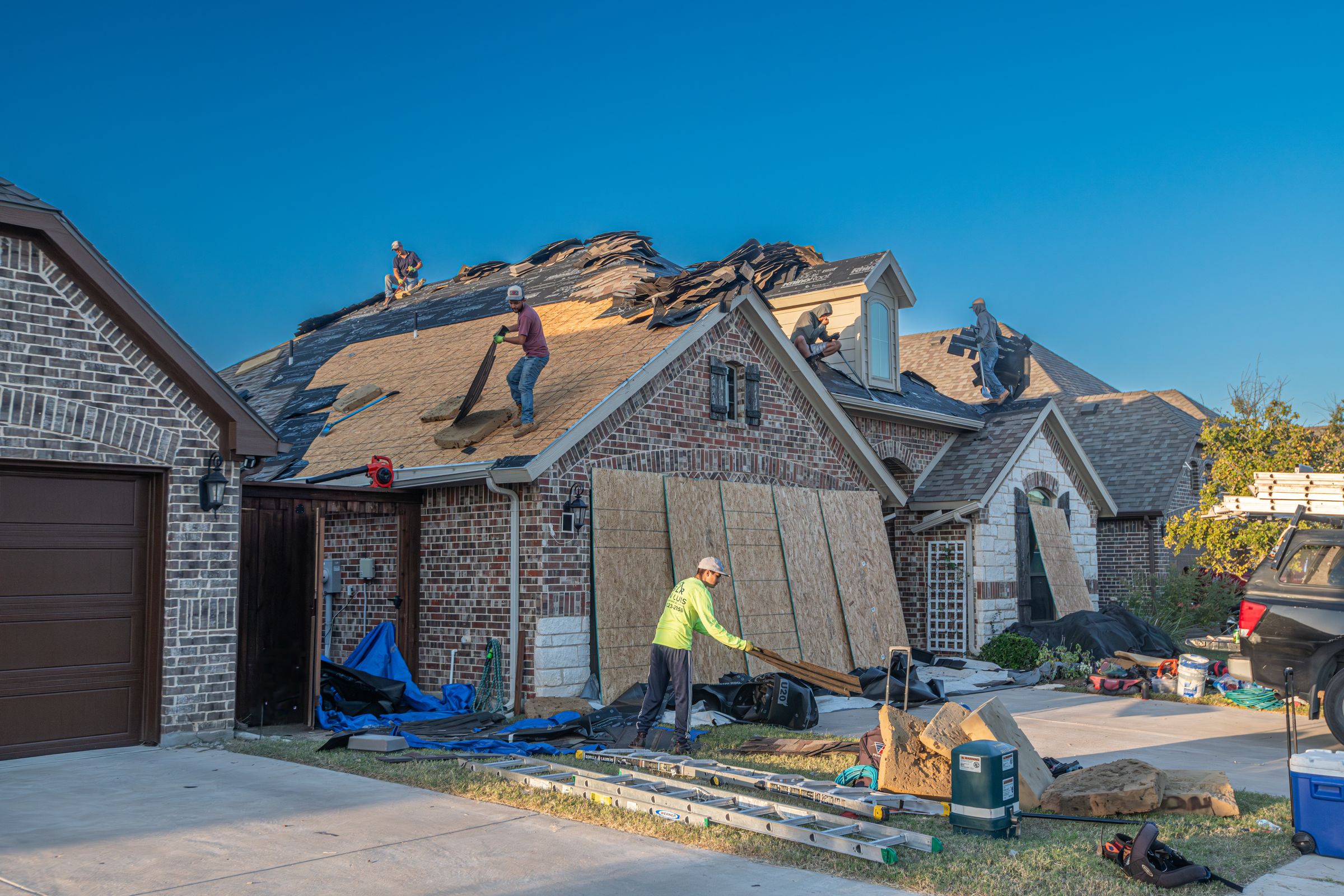
Home improvement scams now rank as the fifth-riskiest scam category tracked nationwide, and roughly seven in ten people who engage with one end up losing money — a susceptibility rate the Better Business Bureau Institute for Marketplace Trust puts at 69.1%, with a median loss of $1,405 per victim. This summer, attorneys general in Indiana, Arizona, and Illinois have all issued fresh consumer warnings as storm season collides with homeowners eager to get repairs done fast. In one case out of Plantation, Florida, an unlicensed contractor is accused of collecting $174,000 from a fire-damaged homeowner and never finishing the rebuild. And in May, federal regulators joined the Illinois Attorney General’s office to sue a Chicago-based company accused of creating thousands of fake online listings for local home-repair businesses that didn’t actually exist, funneling homeowners to operators who weren’t who they claimed to be. None of this means you should be afraid to hire anyone this season. It means you should know exactly what to look for before you sign anything or hand over a dollar.
Why this summer feels different
It isn’t your imagination. Severe storms have rolled through the Midwest and South this spring and summer, and the contractors who show up first in the aftermath aren’t always the ones who should. The Indiana Attorney General’s office put it plainly: “Scammers will use any situation, especially severe weather, to prey on those in need.” In Arizona, Attorney General Kris Mayes echoed the same caution this August, telling residents to “be wary of anyone promising immediate clean-up or repairs after a weather event.” Illinois issued a similar alert after what its Attorney General’s office described as record-breaking spring storms, specifically warning about so-called “storm chasers” who travel from disaster to disaster looking for damaged roofs. The problem isn’t limited to weather, either. Home improvement scams hit military spouses especially hard, ranking as their number-one riskiest scam category this year, according to the same BBB Institute research. Put those threads together and you get a genuinely rough season for anyone trying to get a roof patched or a kitchen redone in good faith.
Red flag one: a license you haven’t actually verified
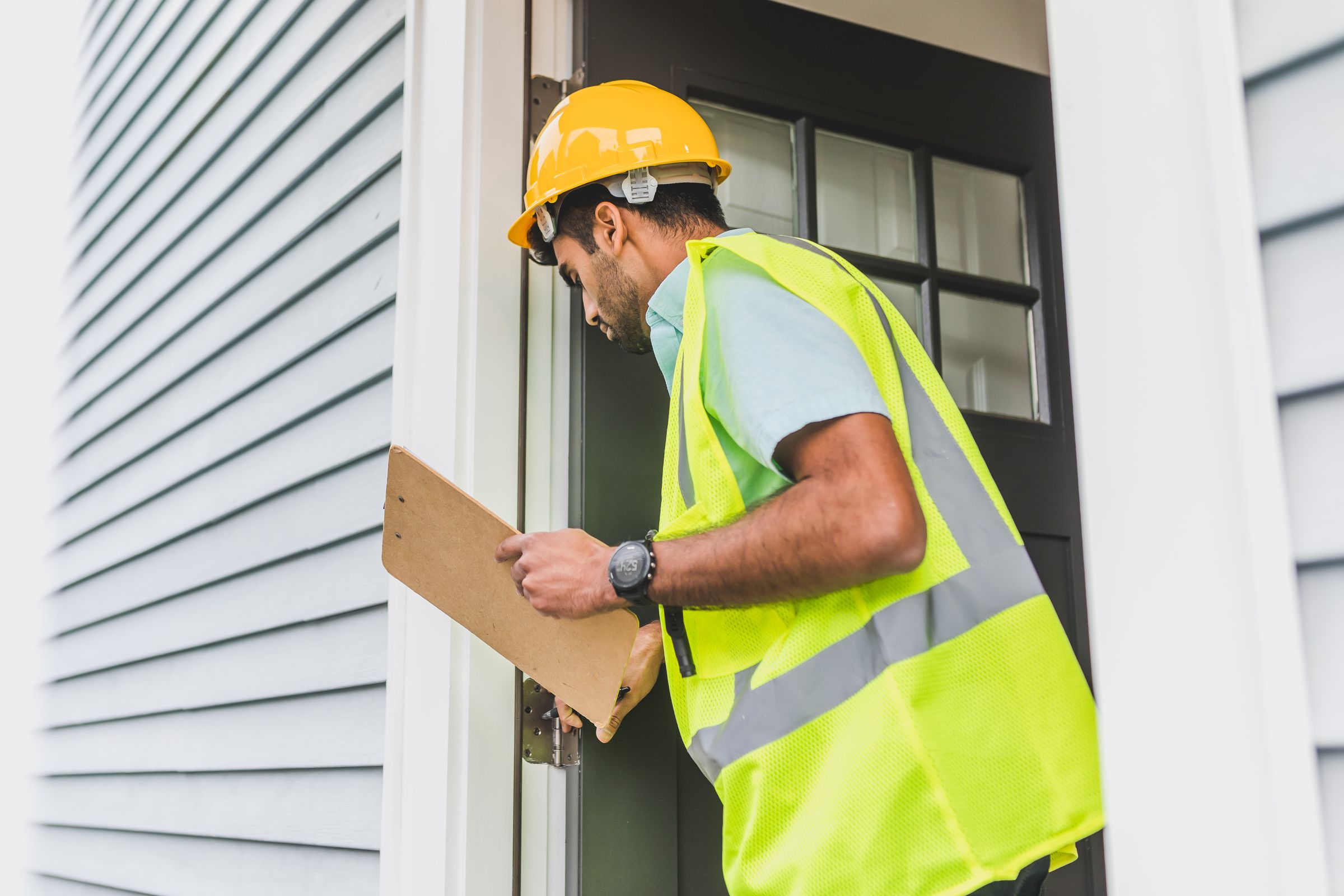
You would think “licensed contractor” means the same thing everywhere. It doesn’t. In Illinois, general contractors aren’t required to hold a state license at all, but roofers are licensed through the Department of Financial and Professional Regulation and plumbers through the Department of Public Health — which means the word “licensed” can be doing very different work depending on the trade and the state you live in, and the Illinois Attorney General’s office urges homeowners to verify the specific license that applies rather than take a business card at face value. In Arizona, that verification is a phone call away through the Arizona Registrar of Contractors at roc.az.gov or (602) 542-1525. Nationally, the Federal Trade Commission recommends confirming that a company has both a license and insurance before you let anyone near your roofline, and collecting three written estimates so you have something to compare against. Don’t stop at “yes, I’m licensed” — ask for the license number, and look it up yourself through your state’s licensing board before you agree to anything.
Why a big deposit should give you pause
A contractor who needs most or all of the money before starting work is telling you something important about how they operate. The FTC’s guidance is direct: avoid paying in cash or by wire transfer, both of which are nearly impossible to claw back once they’re gone. Illinois regulators go further, advising homeowners to never pay the full amount before the work is complete and never pay in cash. Arizona’s guidance lands in the same place, urging residents to reject any request for payment by gift card or cryptocurrency and to hand over only a reasonable deposit rather than the full project cost up front. A legitimate contractor expects to get paid as work is completed, not before it starts, and is comfortable with a payment schedule tied to visible progress. If someone is pushing hard for the whole amount today, that urgency is the red flag, not the roof.
What a legitimate contract should always include
Get everything in writing, every time, no exceptions. In Illinois, this isn’t just good advice, it’s the law for many projects: the state’s Home Repair and Remodeling Act requires a written contract for jobs over $1,000, and homeowners who sign a contract during an in-home visit generally have a three-day right to cancel, extended to five days if their insurance company later denies the related claim. Nationally, the FTC’s core advice is to review and sign a written contract before any work begins, built from those three written estimates you already collected. A contract worth signing should spell out the full scope of work, a firm total price rather than a vague range, start and completion dates, the payment schedule tied to specific milestones, and the contractor’s license and insurance numbers written directly into the document rather than promised verbally. If a contractor resists putting any of that on paper, treat it the same way you’d treat a missing license: as a reason to walk.
The storm-chaser playbook, specifically
Door-to-door contractors have a rhythm to how they work, and it’s worth knowing it before someone is standing on your porch. The FTC describes the classic approach this way: “Someone knocks on your door or calls you. They say they can fix your leaky roof, put in new windows, or install the latest energy-efficient solar panels.” After a storm, that pitch gets sharper. Crews canvass a damaged neighborhood, spot visible roof or gutter damage from the street, and offer a “free inspection” that conveniently turns up more damage than you’d noticed, paired with pressure to sign before they leave. Watch for two specific claims: an offer to cover or waive your insurance deductible, which is a form of insurance fraud regardless of how it’s framed, and any suggestion that FEMA will hand money directly to you through the contractor — the Indiana Attorney General’s office notes that FEMA does not charge application processing fees, and any request for payment tied to a FEMA claim is itself a warning sign. This pattern shows up in real cases with real dollar figures attached. Florida’s Chief Financial Officer’s office has documented a Pasco County roofing scheme that defrauded homeowners of more than $41,000, and one Southwest Florida neighborhood where a single storm-chasing operation generated 32 insurance claims within four weeks, with invoices from an affiliated law firm and mitigation company that together topped $816,000. A crew that’s already “in the area” and ready to start today is running a sales script, not a business.
If you’ve already paid a scammer
Move quickly, and don’t let embarrassment slow you down. If you paid by credit card, call your card issuer immediately and dispute the charge — this is exactly the protection a credit card offers that cash and wire transfers don’t. Next, file a report with the Federal Trade Commission at reportfraud.ftc.gov, or by phone at 1-877-382-4357, which feeds directly into law enforcement databases used to build cases against repeat offenders. File a parallel complaint with your state attorney general’s consumer protection office; Illinois residents can reach the Consumer Fraud Hotline at 1-800-386-5438, while Indiana residents can file through indianaconsumer.com or 1-800-382-5516. If unlicensed contracting is involved, report it to your state’s contractor licensing board as well, since that’s a separate violation from the money itself and can trigger fines or a cease-and-desist order even before any criminal case moves forward. In states where unlicensed contracting rises to a felony, the consequences for scammers can be serious — Florida prosecutors have pursued grand theft and unlicensed contracting charges carrying up to 30 years in prison in cases documented by the state’s Chief Financial Officer’s office. Your report is what makes that possible, so file it even if you don’t expect to see your money again.
The instinct that makes you want to fix storm damage fast, or finally start that kitchen you’ve been planning, is the exact same instinct a scammer is counting on when they show up with a clipboard and a can-do smile. That’s not a reason to put off the work you need done. It’s a reason to slow down for the five minutes it takes to look up a license number, ask for three estimates instead of accepting the first one, and read a contract before you sign it. That handful of minutes is, dollar for dollar, the cheapest home improvement investment you’ll make all season — and it’s the difference between a project that gets finished and a story you end up telling a consumer protection hotline instead.