Costco’s $4.99 rotisserie chicken has survived inflation, supply shocks, and viral TikTok recipes. Now it is facing a class‑action lawsuit that accuses the retailer of misleading shoppers about what is actually in that bargain bird. Even so, many customers say the case will not stop them from tossing one into their cart on the way to the checkout.
The legal fight centers on what “no preservatives” really means, how prominently ingredients are disclosed, and whether marketing nudges health‑conscious shoppers toward a product they might otherwise skip. At the same time, the chicken has become such a staple of weeknight dinners and budget meal prep that plenty of fans are openly weighing the allegations against the convenience and price they rely on.
The cult of Costco’s $4.99 chicken
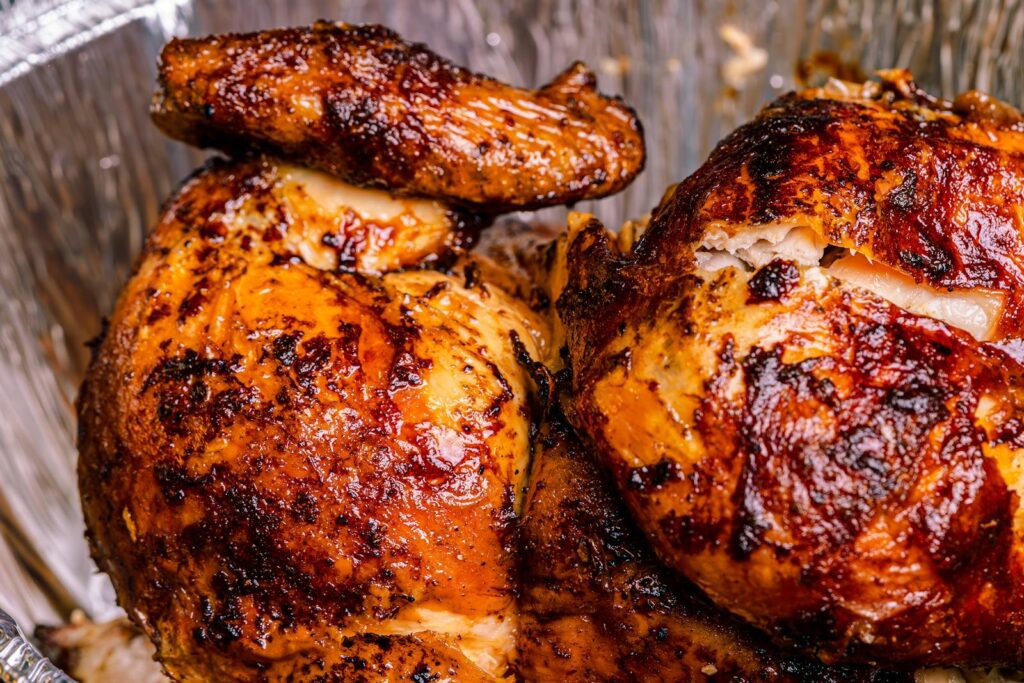
For a lot of families, the Kirkland Signature rotisserie chicken is the unofficial mascot of the warehouse chain, a ready‑to‑eat dinner that feels like a reward at the end of a long lap through the aisles. The bird’s $4.99 price has held steady even as grocery costs climbed, turning it into what analysts often describe as a classic “loss leader” that draws shoppers into Costco stores where they are likely to spend far more on everything from paper towels to televisions. The company’s own branding around the Kirkland Signature line reinforces the idea of value and quality, and the rotisserie chicken sits at the center of that perception.
Reporting on the product has repeatedly highlighted how the $4.99 tag is not just a bargain but a deliberate strategy. One detailed account described the bird as a “Popular” “Loss Leader” and noted that the price point is treated almost as a promise to members that some staples will stay affordable even when other items fluctuate. That same coverage explained how the chickens are seasoned and cooked in a way that emphasizes moisture and shelf life, underscoring how much planning goes into keeping the $4.99 tradition alive.
What the new lawsuit actually claims
The latest legal challenge does not attack the price, but the promise on the label. A proposed class‑action complaint filed in federal court argues that Costco of misled shoppers by marketing its Kirkland Signature Seasoned Rotisserie Chicken as having “no preservatives” while allegedly including additives that the plaintiffs say function as preservatives. The filing targets the messaging around the chicken, claiming that the way the product is described and displayed would lead a reasonable consumer to believe it is free of such ingredients.
According to a complaint obtained by one national outlet, the case was Filed in the U.S. District Court for the Southern District for the Southern District of California and seeks to represent a broad group of customers who bought the chicken in recent years. The plaintiffs, including named shopper Anatasia Chernov, argue that they paid for a product they believed matched the “no preservatives” claim and that they would not have purchased it, or would have paid less, if they had known about the additives. Coverage of the filing notes that the case was brought in the heart of the dispute is a simple phrase that carries a lot of weight in the grocery aisle. The lawsuit zeroes in on Costco’s use of “no preservatives” language on signage and marketing for the Kirkland Signature Seasoned Rotisserie Chicken, arguing that this assurance clashes with the ingredient list. Plaintiffs say that compounds such as carrageenan and other additives are present and that these substances act as preservatives by helping maintain texture, retain moisture, and extend shelf life, even if they are not always labeled that way in everyday conversation.
One detailed report on the case explains that the complaint points to the presence of carrageenan and similar ingredients as evidence that the “no preservatives” message is misleading, especially for shoppers who associate that phrase with a cleaner label. Another account notes that the plaintiffs are seeking a class action and that they frame the chicken as an “iconic” $4.99 staple whose marketing has outsized influence on consumer choices. In that coverage, the plaintiffs argue that Costco’s messaging, including the “no preservatives” claim, is prominent in stores while the full ingredient list is less visible, a contrast that they say violates consumer protection laws and underpins their new lawsuit does not claim that Costco’s rotisserie chicken is unsafe to eat, but it does argue that the presence of certain additives matters to health‑conscious consumers. The plaintiffs point to ingredients such as carrageenan and other compounds that they say help preserve the chicken’s texture and moisture, and they argue that shoppers who actively seek out “no preservatives” products do so because they want to avoid those substances. In their view, the issue is not just semantics, but whether people were given enough information, in a clear enough way, to make an informed choice.
Coverage of the complaint explains that the plaintiffs are not asking the court to ban the additives outright, but to decide whether Costco’s “no preservatives” marketing is deceptive when those ingredients are present. One detailed report on the case notes that the filing includes photos of packaging and in‑store signs that highlight the “no preservatives” claim in large type, while the full ingredient list, including the additives, appears in smaller print. Another account of the lawsuit against the $4.99 chicken emphasizes that the plaintiffs say they would not have purchased the product, or would have paid less, if they had known it contained preservatives, a point that goes to the heart of how courts evaluate alleged misrepresentation in food labeling, as described in coverage of how Food labeling disputes often turn on what an average shopper would reasonably understand a phrase to mean, and “no preservatives” has been a flashpoint in other cases. Regulators generally distinguish between ingredients that are added primarily to prevent spoilage and those that serve other functions, even if they have some preservative effect. Courts, meanwhile, look at the full context: what is printed on the front of the package, what is disclosed on the back, and how the product is marketed in stores and online. In Costco’s case, the plaintiffs argue that the overall presentation of the Kirkland Signature Seasoned Rotisserie Chicken tilts too heavily toward the “no preservatives” message without giving equal prominence to the additives they say contradict it.
One national overview of the lawsuit notes that the complaint was Filed on Jan. 22 and that it lays out a detailed argument about how the “no preservatives” claim interacts with the ingredient list and with consumer expectations. Another report on the case explains that the plaintiffs are seeking to represent a broad class of shoppers and that they frame the issue as a straightforward question of truth in advertising, rather than a technical dispute over food science. That framing is echoed in coverage that describes how the lawsuit accuses Costco, the rotisserie chicken is more than a single product line, it is a symbol of the company’s broader pitch to members. The chain has built its reputation on a mix of bulk bargains and a handful of headline prices that rarely change, and the $4.99 chicken is one of the clearest examples. Keeping that price steady, even as feed, labor, and transportation costs fluctuate, signals to shoppers that the retailer is willing to absorb some pressure to maintain trust and loyalty. That is one reason the company has invested heavily in its own poultry supply chain and why it has weathered previous controversies rather than backing away from the product.
More from Decluttering Mom: