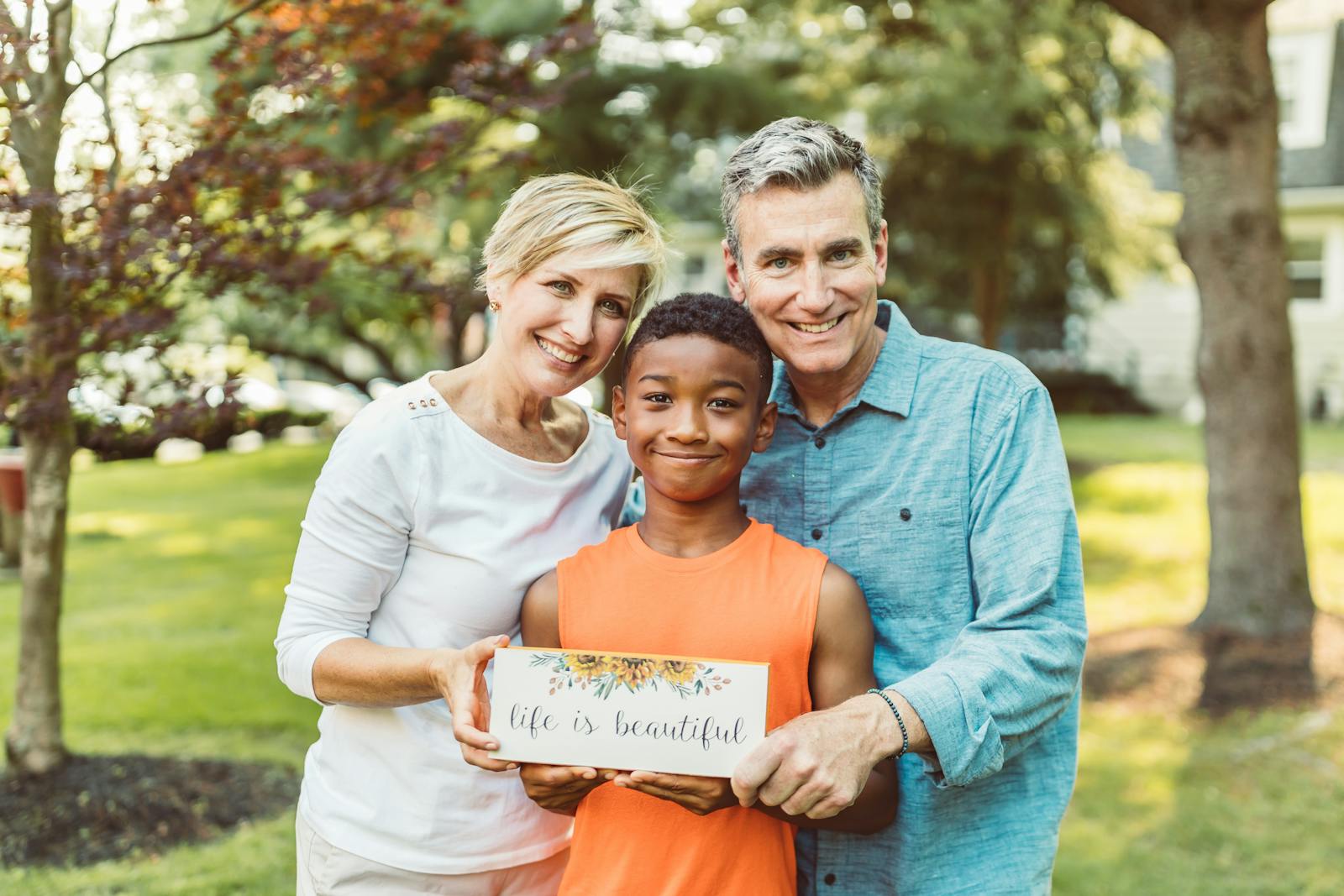
They’ve scrolled through horror stories, forums, and news pieces until the fear feels louder than hope. The couple wants to grow their family, but every headline and anecdote makes them pause and question whether they can handle a situation gone wrong.
You can move forward without letting worst-case tales paralyze your plans by learning which risks are real, which fears are amplified, and what practical steps reduce uncertainty. This post will explore the couple’s real concerns, separate myth from data, and offer concrete ways to rebuild confidence so they can decide with clearer information and calmer hearts.
Expect honest stories, research-backed perspective, and usable advice on navigating open adoption complexities, emotional fallout, and the supports that make successful placements more likely.

Couple Considering Adoption: Real Fears, Real Stories
They have read accounts of failed matches, last-minute revocations, and families devastated by unexpected outcomes. Those stories shape decisions, raise practical questions about attorneys and revocation laws, and make prospective parents question how to protect a child’s well-being while honoring birth parents.
Why Adoption Horror Stories Are So Impactful
Horror stories stick because they show concrete, painful outcomes—like a newborn returned during the revocation period or an open-adoption relationship collapsing after birth. When readers encounter cases where adoptive parents bonded with an infant only to lose custody, it triggers immediate questions about risk: Was legal counsel adequate? Were expectations and roles clearly defined?
These stories also highlight system failures: inconsistent revocation windows across states, variable quality of adoption professionals, and financial pressure on birth parents. For people considering adoption, such specifics convert abstract fear into actionable concerns about paperwork, timelines, and whom to trust.
Understanding the Emotional Weight of Adoption Journeys
Adoption journeys involve layered emotions for everyone: adoptive parents feel hope, grief, and vulnerability; birth parents navigate guilt, relief, and uncertainty; adoptees may later carry questions about identity and belonging. Personal adoption stories that describe bonding in the NICU or weeks of hotel stays show how quickly attachment forms, which magnifies the pain if a match dissolves.
These narratives also expose secondary trauma—burnout from repeated matches that fall through, or mistrust after being treated like a transactional client. Recognizing emotional stakes helps prospective adoptive parents pick professionals who respect all parties and prepare for counseling or support groups during and after placement.
The Desire to Grow a Family vs. Fear of Making Mistakes
They want to become parents and imagine routines, names, and milestones. At the same time, fear of “getting it wrong” can freeze decisions: concerns about choosing an unethical agency, overlooking a birth parent’s legal rights, or failing to support an adopted child’s long-term needs. Prospective adoptive parents often list priorities—stable legal representation, clear open-adoption agreements, and mental-health supports—to reduce uncertainty.
Practical steps include vetting attorneys, asking for references from other adoptive parents, and learning state-specific revocation rules. Balancing desire and caution means planning for attachment, post-placement therapy, and transparent communication with birth parents so that the child’s welfare stays central.
Overcoming Adoption Fears: Practical Advice and Realities
Adopting involves legal steps, emotional work, and long-term planning. Clear expectations about safety, contact with birth parents, and agency roles can reduce fear and help a couple make confident decisions.
Navigating the Adoption Process Safely
They should verify credentials and ask to see an agency’s licensing and complaint history before paying fees. Use an adoption attorney for contracts and finalization; a lawyer reduces the risk of ambiguous agreements and explains state-specific consent deadlines.
Ask for written, itemized fee schedules and a timeline for each stage: profile creation, matching, placement, and finalization. Check an agency’s failed-adoption statistics and postpartum support for birth mothers to gauge reliability. For foster-care adoptions, confirm the child’s legal status and permanency plan with the caseworker and attorney.
Keep records of all communications, medical disclosures, and signed releases. If something feels off, contact the state licensing board or use another agency rather than pushing forward.
Open vs. Closed Adoption: Setting Expectations
They should define contact frequency, acceptable topics, and boundaries in writing when pursuing open adoption. Open adoption can provide ongoing medical history and reduce unknowns; request detailed health forms from the birth mother and document what updates the couple expects to receive.
In a closed adoption, anticipate limited access to birth-family medical history; plan for genetic counseling and extra vigilance around developmental or behavioral concerns. Discuss realistic scenarios—occasional messages, yearly visits, or only medical updates—and include dispute-resolution steps in the agreement.
Both approaches require emotional preparation. Workshops or counseling focused on openness, privacy, and how to explain adoption to a child help set consistent expectations and reduce anxiety about future contact.
The Role of Home Study and Adoption Agencies
The home study is a safety and readiness assessment, not a pass/fail barrier. It includes background checks, references, financial statements, and interviews about parenting philosophy. Treat it as an opportunity: prepare documents ahead, create a lifebook, and practice answers about discipline, openness, and the child’s identity needs.
Choose agencies that match the couple’s values—some specialize in foster-care placements, transracial matches, or international work. Compare what each agency offers: counseling, post-placement support, and policies on failed matches. Ask about adoption industry practices like profile pools and how the agency supports birth parents through pregnancy and postpartum.
A thorough home study and transparent agency practices lower the chance of surprises after placement and give adoptive parents concrete terms for the relationship with birth parents and the child.
Building a Supportive Network as Prospective Adoptive Parents
They should assemble practical and emotional supports: an adoption attorney, a therapist experienced with adoption and trauma, pediatricians familiar with adoptive-child needs, and peer groups. Join local adoptive-parent meetups, online forums, or reading groups to hear real experiences and coping strategies.
Create a checklist of immediate needs post-placement—sleep plans, medical records transfer, and a pediatric appointment within days. Connect with organizations that offer lifebook workshops for adoptees and resources on transracial identity if applicable. Invite trusted friends and family to learn about adoption boundaries and language.
A reliable support network speeds access to specialized help when behavioral or medical issues appear and helps parents move past fear toward confident caregiving.
More from Decluttering Mom: