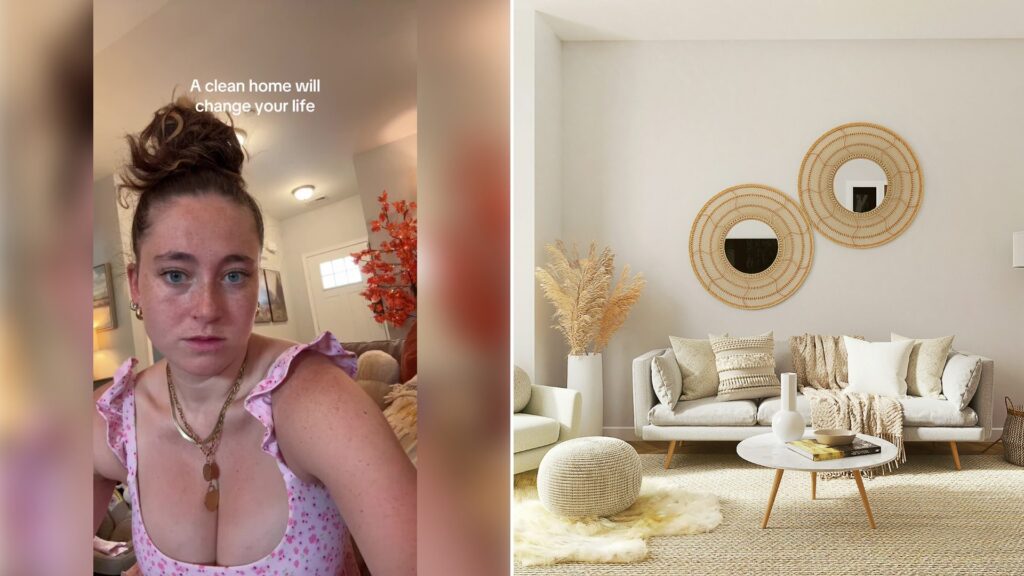
The living room didn’t start with a mood board or a design plan. It started with blank drywall, empty corners, and the kind of sterile, unfinished feeling that new-build homes are famous for. In this video, a creator walks through just how far that space has come, revealing a fully decorated, autumn-themed living room built up slowly over literal years rather than a single weekend blitz.
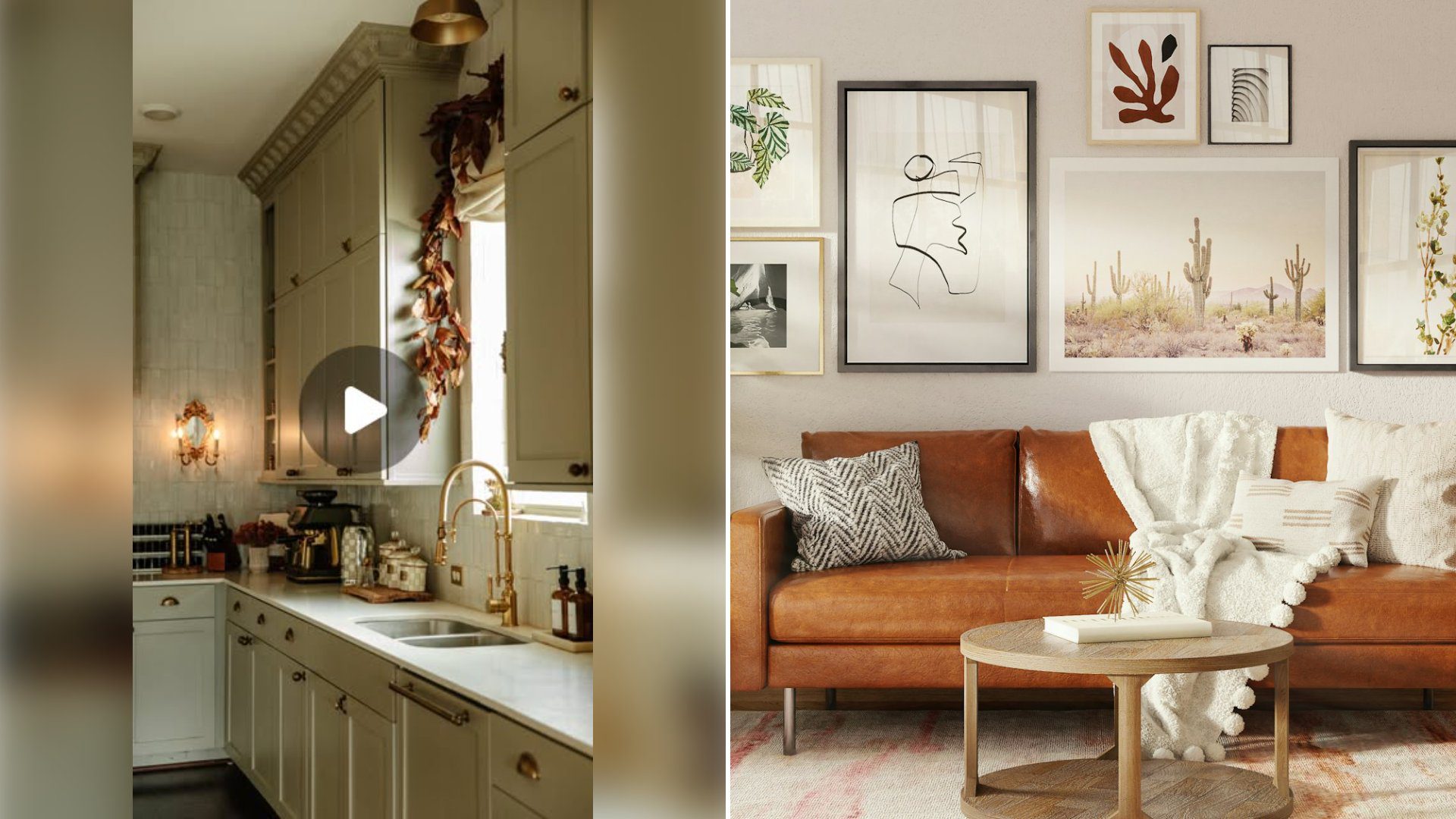
Creator @arceriinteriors narrates the project with the kind of honesty that long-term renovators appreciate, noting plainly that builder grade can become custom with enough heart put into it. That phrase does a lot of work in the video; it reframes the slow timeline not as a failure to move fast but as the actual price of a home that looks genuinely considered rather than mass-produced. Warm layered textiles, deep seasonal tones, and furniture chosen piece by piece over time replace what was once an empty, characterless box.
This kind of slow-build, DIY customization of a new construction home has become a well-documented trend over the past several years, driven in large part by the rise of cookie-cutter production housing. Builders of new-construction developments overwhelmingly favor neutral palettes, builder-grade fixtures, and minimal architectural detail because it is cheaper to produce at scale and appeals to the broadest range of buyers at resale. That efficiency, however, is exactly why so many new homeowners report feeling like their brand-new house still doesn’t feel like “theirs” the day they move in, even though everything is technically finished and move-in ready.
Home improvement and design industry trend reports have tracked a steady rise in homeowners turning to incremental, DIY-driven personalization specifically to counter that sameness, adding trim, molding, accent walls, and layered decor over months or years rather than treating the move-in state as final. Paint and soft furnishings consistently rank among the most common and lowest-cost entry points into this kind of project, which lines up with what this transformation leans on most heavily: color, texture, and styling rather than structural renovation. It is also a financially practical approach; spreading a full home’s personalization across years allows a family to budget for it piece by piece instead of financing a single expensive overhaul.
There’s a psychological component to this trend as well. Design researchers who study how people relate to their homes have found that a space which reflects a resident’s personal taste and history, rather than a developer’s default choices, is more strongly associated with feelings of comfort and belonging. A builder-grade living room, however clean and functional, tends to feel like a showroom precisely because it was designed to appeal to everyone equally rather than to any one family specifically. The autumn-themed transformation in this video does the opposite; the deep oranges, layered textures, and seasonal styling choices are deeply specific, which is exactly what makes the end result feel lived-in rather than staged.
What makes the years-long timeline worth highlighting rather than glossing over is how it pushes back against the instant-gratification expectation so much home content sets up. Viewers are used to thirty-second before and afters that imply a single weekend transformed everything, when the reality for most homeowners customizing on a real budget is closer to what’s shown here: a project revisited and built on repeatedly, with patience built into the process rather than treated as a failure to move faster.
By the end of the video, the empty drywall box from the opening shots is almost unrecognizable, and that gap between the two states is the whole appeal. It is a reminder that a brand-new, blank house is not a finished home, just a starting point, and that the most personal-feeling spaces are usually the ones that took the longest to get there.
More from Decluttering Mom
- Creator Shows How To Make a Bed Look Like a Hotel Showroom With a Few Specific Folding Techniques and Explains Where She Picked Them Up and Why It Matters
- Homeowner Deep Cleans Ornate Woodwork in Her Century Old Impulse Bought House and Shows How Much Dust and Debris Decades of Neglect Left Behind in Every Groove
- Mom Says After Twenty Years in a Big Family Home She Chose To Downsize and Simplify Her Life and Explains What She Let Go Of and What She Kept