The little battery brick in your purse, glove box or nightstand is supposed to keep your phone alive. For about 11,000 buyers, the U.S. Consumer Product Safety Commission says it can do something far worse.
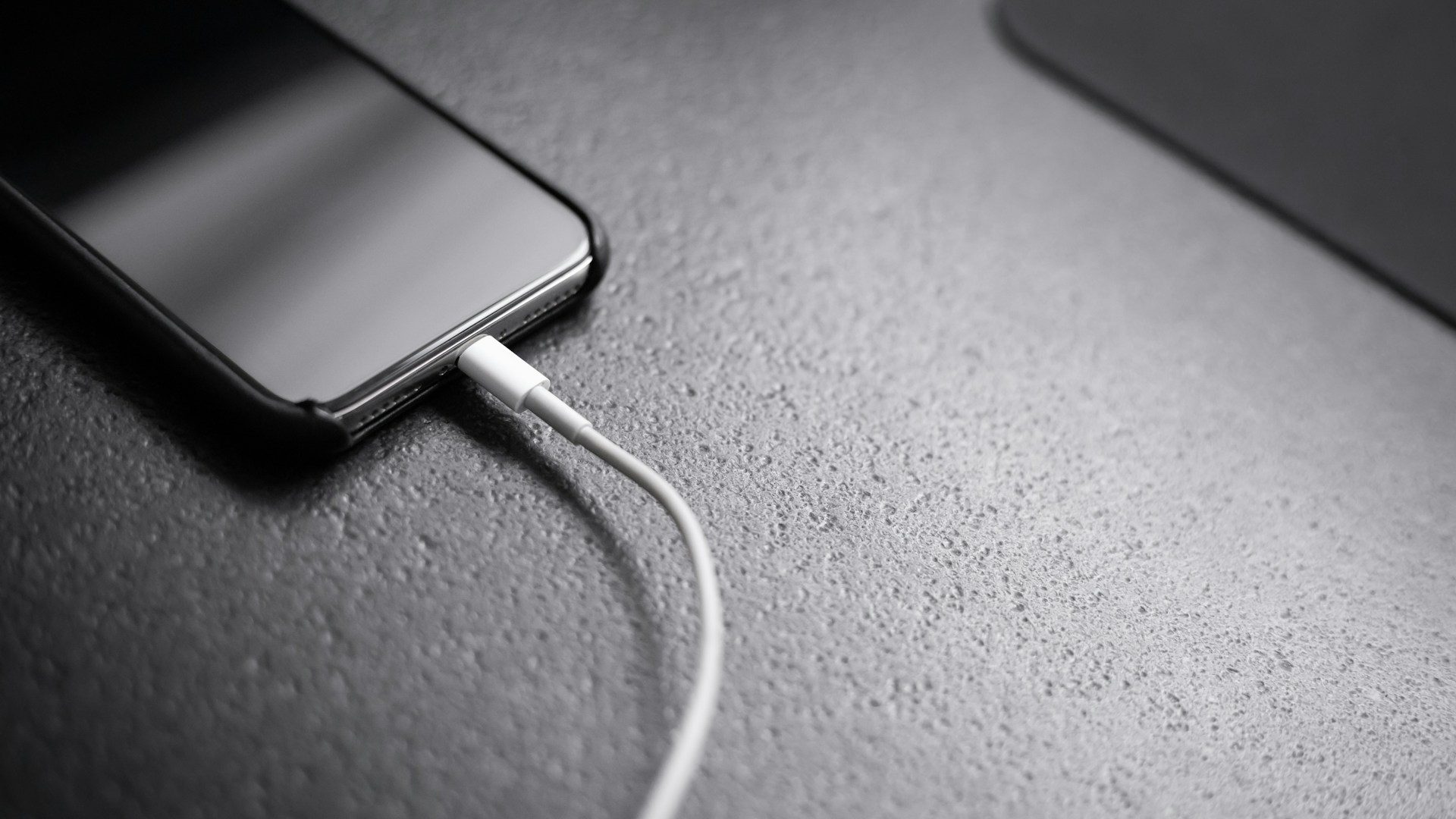
On October 29, 2026, the agency announced a recall of HAIARA Model W5 PRO power banks sold on Amazon.com by Mitrytech. The notice says the lithium battery can explode and ignite, posing fire and burn hazards.
Six Hundred Reports Of Fires Sit Behind This Recall
The numbers in the notice are what make this one stand out. Mitrytech has received 600 reports of fire and other thermal incidents, including three reports of burn injuries and nine reports of property damage, according to the CPSC.
That is far more than the usual “no incidents reported” line that closes many recall notices. It means real people have already had these power banks overheat, and some were hurt.
The CPSC says about 11,000 units are included. They were sold on Amazon.com from May 2025 through September 2026 for between $18 and $22, which makes them an easy impulse buy for a road trip or a holiday stocking.
How To Tell If The Black Power Bank In Your Drawer Is One Of Them
The recalled power banks are black, with “20W” on the front and “Model: W5 PRO” on the side. The recall applies only to units with no date code on the side, and a date code, if one is present, is formatted “YYYYMMDD.”
The seller name, Mitrytech, and the brand name, HAIARA, appear on the purchase receipt. If you cannot find a receipt, your Amazon order history is the next best place to look.
The company behind the product is Huizhou Yancheng Trading Co., Ltd., doing business as Mitrytech, of China. The power banks were manufactured in China.
Stop Using It Today, Then Follow A Very Particular Refund Process
The CPSC’s instruction is direct. Consumers should stop using the recalled power banks immediately and contact Mitrytech for the refund process.
The remedy is a full refund, but there are two conditions in the notice. Buyers must send a photo of the power bank with “recalled” written on it in permanent marker, along with confirmation that it has been disposed of in line with applicable laws.
Contact Mitrytech by email at [email protected], or through the recall page at www.haiara.net/recalls.html. You can also go to www.haiara.net and click “Recalls.”
If the company is unresponsive or the remedy is not working, the notice says to file a complaint through the CPSC’s Recall Complaint Form. That is worth remembering, because refund requests with overseas sellers can drag on.
Do Not Just Toss It In The Kitchen Trash
Disposal is the part people tend to get wrong. A lithium battery that can ignite should never be tossed into the trash can, where it can be crushed in a garbage truck or at a sorting facility.
The notice says to dispose of the power bank in line with applicable laws. Most communities run household hazardous waste programs or battery drop-off sites, and many electronics and home improvement stores accept used batteries for recycling, so call your local waste authority or check its website before you go.
While it waits for disposal, keep the power bank away from anything that burns. A metal pan or a ceramic dish on a hard surface, well away from the bed, curtains and papers, is a sensible place for it.
Smart Habits For Every Battery In Your Home
Power banks, tablets, e-readers and cordless gadgets all have lithium batteries tucked inside. Most never cause a problem, but a few simple habits lower the odds.
- Do not charge devices under pillows or blankets or on a couch while you sleep.
- Stop using any battery that swells, gets unusually hot, smells strange or looks damaged.
- Buy from sellers with a clear record, and look for recall pages before you click buy.
- Keep your purchase receipts and Amazon order history, because recall refunds depend on them.
You can search for recalls at CPSC.gov, and you can report a hazard at SaferProducts.gov. A single report can help the agency connect the dots.
Think about where your own power banks spend their time. They ride in handbags, tumble around in car cup holders, and sit plugged in on nightstands for hours while we sleep.
That is why a battery with 600 reports of fire and thermal incidents is not something to put off. Take ten minutes tonight, gather every power bank, charger brick and spare battery in the house, and look at the labels.
Keep in mind that the recall applies only to units with no date code on the side. If your power bank shows a date code, compare it against the notice rather than guessing, and use the contact details above if you have any doubt about which group yours falls into.
If you are not sure whether yours is the W5 PRO, the model name is printed right on the side. When in doubt, check the brand against the CPSC notice and keep the device unplugged until you know.
So go find that black power bank, check the side for “W5 PRO,” and if it matches, stop using it today. Fires start with small things, and this one is easy to handle before it gets there.
More Stories You May Like
- Marketplace Buyer Asks You To Read Back A Code Texted To Your Phone, And That Simple Request Is How Scammers Try To Take Over Your Accounts
- Grandparents Give $172 Billion A Year To Their Families And 90% Help Financially, Spending More Than A Typical Monthly Social Security Check
- Someone Over 60 Who Lives Alone Took Twelve Things Out Of Their Home After Their Knees And Back Paid For Every Fluffed Pillow And Dusted Shelf