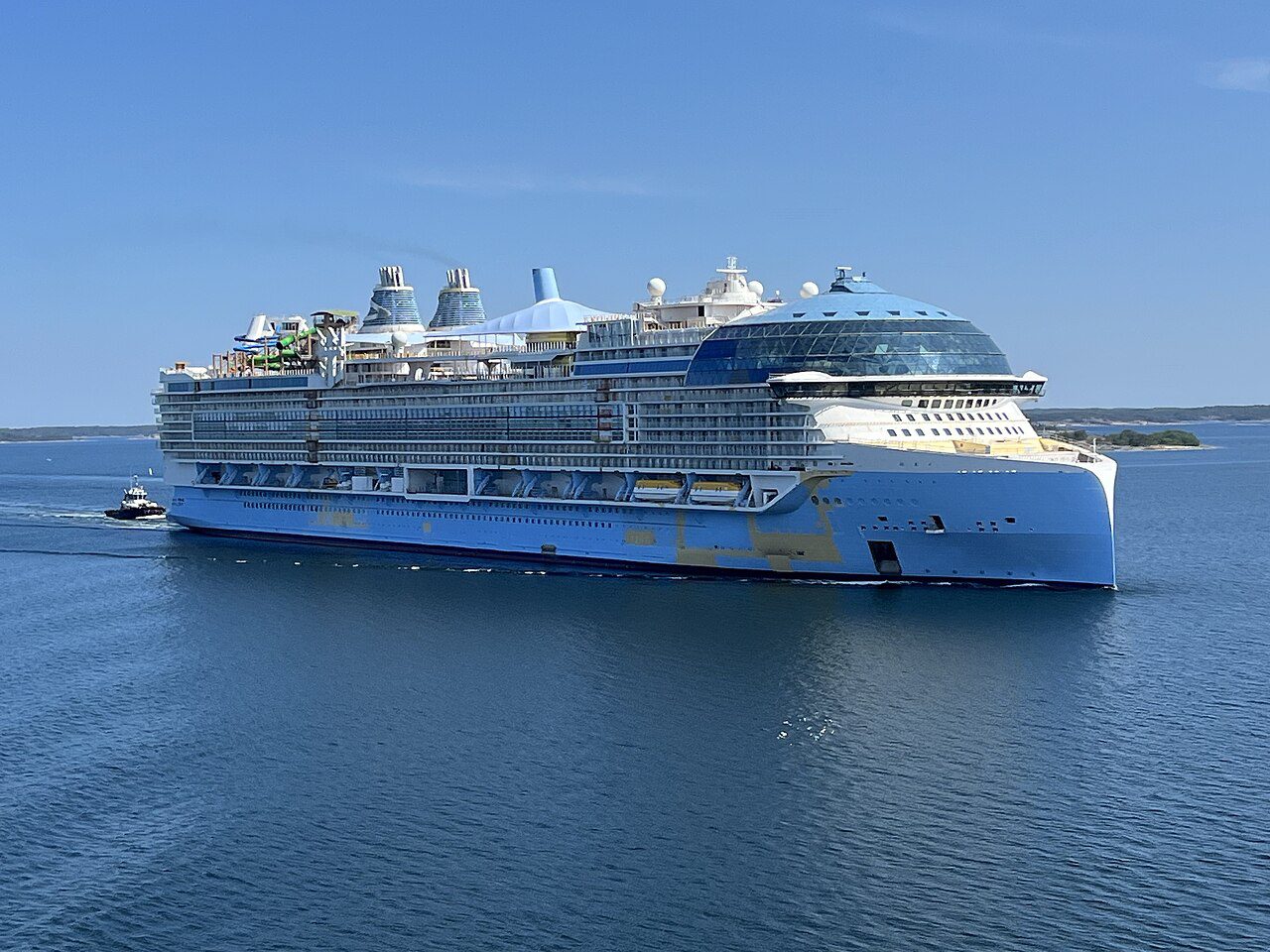
Seventy-six passengers and crew members fell ill with violent gastrointestinal symptoms aboard Holland America Line’s Westerdam during a 14-night sailing through Asia, according to a public health notice from Hong Kong’s Centre for Health Protection and reporting by USA Today. Health officials have classified the cluster as a suspected norovirus outbreak, though laboratory confirmation has not been publicly announced as of late March 2026.
Of the 76 people affected, 65 were passengers and 11 were crew members. The Westerdam carries a maximum of roughly 1,964 guests and about 800 crew, meaning the outbreak touched approximately 2.7% of everyone on board. While that percentage is relatively small, the speed at which symptoms spread and the severity of the illness turned what was meant to be a leisurely Asian itinerary into days of cabin isolation, missed port calls, and mounting frustration for those affected.
How the outbreak unfolded
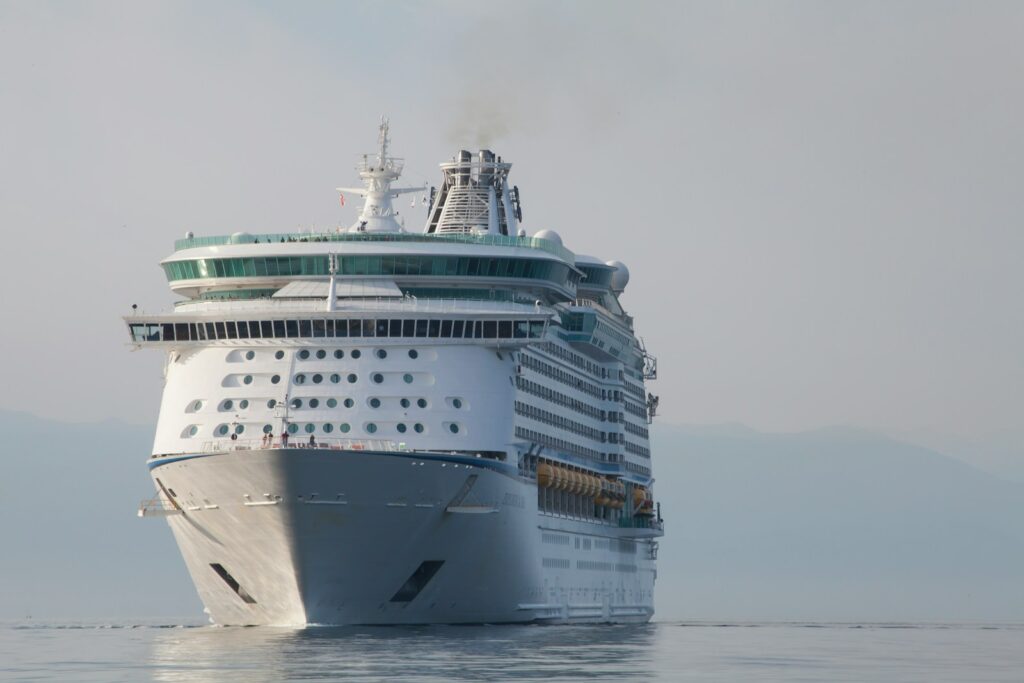
The first cases surfaced during the early days of the voyage, and the count climbed quickly. Under international maritime health rules, a ship’s captain is required to notify port authorities when gastrointestinal illness exceeds a set threshold on board. The U.S. Centers for Disease Control and Prevention’s Vessel Sanitation Program defines that threshold as 2% or more of passengers or crew reporting symptoms. The Westerdam‘s captain reported the elevated case numbers to Hong Kong health authorities before the ship called at the Kai Tak Cruise Terminal, according to NTD News, which reviewed the ship’s health reports.
Once the outbreak was flagged, the onboard medical team followed protocols that cruise lines have sharpened over years of dealing with norovirus. Holland America said in a statement to People (via Cleveland.com) that staff intensified cleaning of public areas with hospital-grade disinfectants effective against norovirus, a notoriously hardy pathogen that can survive on surfaces for days. Sick passengers were asked to remain in their cabins until at least 24 hours after symptoms subsided. Crew members who reported feeling unwell were pulled from food service and housekeeping duties to reduce the risk of further transmission.
Announcements and cabin notices urged all guests to wash hands frequently with soap and water (hand sanitizer alone is less effective against norovirus), avoid self-serve buffet stations, and report any stomach symptoms to the ship’s medical center immediately. Holland America stated that the majority of passengers remained healthy and that the Westerdam completed its full itinerary.
Why cruise ships remain a hotspot for norovirus
Norovirus is the leading cause of acute gastroenteritis worldwide, responsible for an estimated 685 million cases each year, according to the World Health Organization. It spreads through microscopic traces of stool or vomit, and a person can become infectious from fewer than 20 viral particles. That makes any enclosed environment with shared dining, bathrooms, and handrails a potential incubator, but cruise ships face particular challenges: thousands of people eating together multiple times a day, rotating shore excursions that bring new exposures, and cabins with shared ventilation.
The CDC’s Vessel Sanitation Program publicly logs outbreaks on cruise ships that depart from or return to U.S. ports. While the Westerdam‘s Asian itinerary may not fall under that specific tracking system, Hong Kong’s Centre for Health Protection monitors arriving vessels and can impose inspection or quarantine measures when illness rates are elevated.
The Westerdam incident is not isolated. Earlier in 2026, a separate suspected norovirus outbreak sickened 82 people aboard a Princess Cruises ship during a voyage through the Panama Canal, according to tracking data from CruiseMapper cited by the New York Post. Taken together, the episodes underscore a persistent reality: even with improved sanitation standards across the industry, norovirus outbreaks on ships have not gone away.
What affected passengers can expect, and what future cruisers should know
Holland America has not publicly detailed whether passengers on the affected sailing will receive refunds, onboard credits, or future cruise vouchers. Historically, cruise lines have offered partial credits or reimbursement for missed port days when outbreaks force itinerary changes, but policies vary and are often handled case by case. Passengers who purchased travel insurance with a “cancel for any reason” or medical coverage rider may have additional options for recouping costs tied to illness-disrupted days.
For travelers with upcoming cruise bookings, infectious disease specialists offer a few practical steps that go beyond the standard “wash your hands” advice:
- Use soap and water, not just hand sanitizer. Norovirus lacks a lipid envelope, which means alcohol-based sanitizers are far less effective against it than thorough handwashing with soap.
- Skip the buffet early in a voyage. Self-serve stations carry higher contamination risk. If an outbreak is announced, switch to waiter-served dining.
- Report symptoms immediately. Early reporting helps the ship’s medical team identify clusters before they spiral. Delaying a visit to the medical center out of embarrassment or optimism allows the virus more time to spread.
- Pack a small kit. Oral rehydration salts, anti-nausea medication, and disinfecting wipes for cabin surfaces can make a significant difference if you or a travel companion gets sick far from a pharmacy.
The Westerdam is scheduled to continue its 2026 Asian season with additional sailings in the coming weeks. Holland America has said the ship underwent enhanced sanitation between voyages, a standard practice after any outbreak. Whether that reassures future passengers or pushes some to rebook on a different vessel will likely depend on how transparently the line communicates what happened and what it changed.
For the 76 people who spent part of their vacation confined to their cabins, the frustration is more immediate. Norovirus symptoms typically resolve within one to three days, but the disruption to a trip that may have cost thousands of dollars per person lingers well beyond the last bout of nausea. As cruise lines continue to market longer, more exotic itineraries to a growing global audience, episodes like this one test whether the industry’s health infrastructure can keep pace with its ambitions.
More from Decluttering Mom: