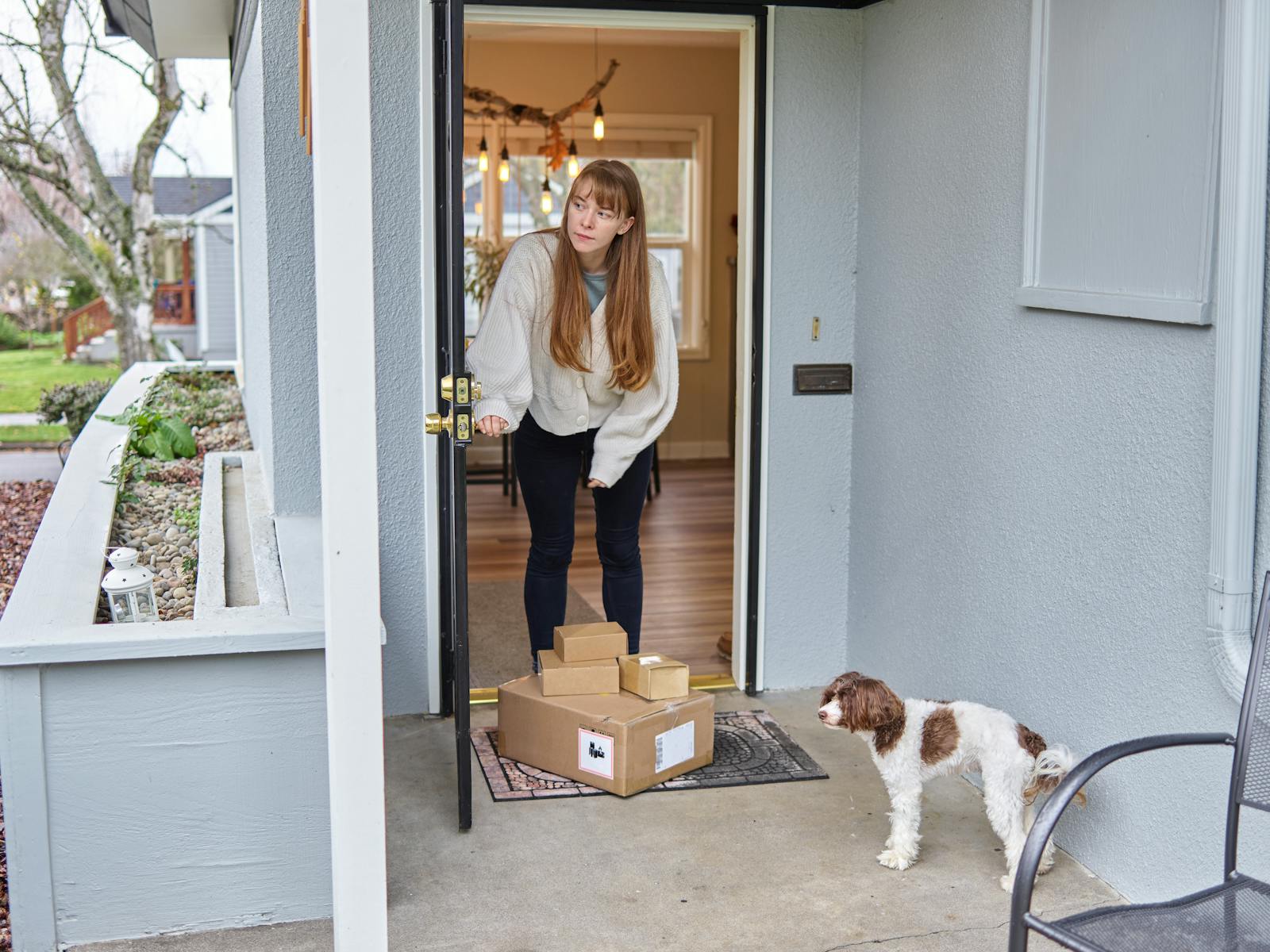
You left clear delivery instructions to keep packages outside the fence, but a dog still shredded the box after a driver ignored the note. Expect to learn who holds responsibility, what went wrong, and practical steps you can take next when delivery instructions fail and pets get involved.
This post walks through the incident, explains why delivery instructions matter, and lays out sensible legal and everyday fixes so you can spot risks and protect packages moving forward.
The Incident: Delivery Instructions Gone Wrong
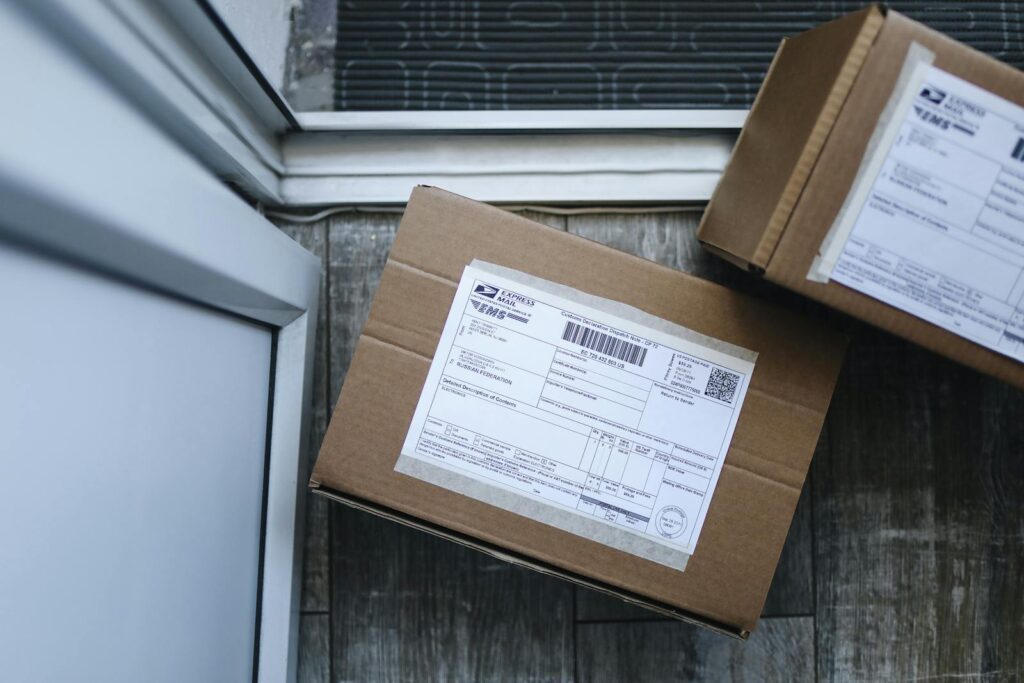
The customer left precise, step-by-step instructions for where to leave the box and how to secure it. The delivery ended with a shredded package and a lot of questions about who followed the directions and why the dog got to it.
What Happened When Instructions Were Ignored
The customer had asked the driver to place the package behind a heavy planter on the porch and to ring the doorbell if anyone was home. Instead, the driver left the box on the front stoop and did not ring the bell. The package contained cushioned toys and a small training kit from CuliacanKennels, which were exposed when the box tore open after a gust of wind and a neighborhood dog reached it.
Neighbors reported seeing the delivery at 2:15 p.m.; surveillance shows the driver walking away within two minutes of setting the box down. That short window allowed the dog to access the torn package and shred its contents, scattering packing and product across the walkway.
Customer’s Reaction to the Shredded Package
The customer called the carrier and posted photos of the shredded contents on social media within an hour. She demanded to know why the specific instruction to hide the box behind the planter was ignored and asked for a refund or immediate replacement from both the seller and the delivery company.
Her messages were direct and firm. She attached the order confirmation, the saved delivery instructions, and the surveillance clip to strengthen her complaint and requested a timestamped explanation of the driver’s actions.
The Delivery Driver’s Perspective
The driver says the sidewalk was obstructed by a delivery truck and a loose grocery cart, which made the planter spot hard to reach without leaving the vehicle unattended. They left the package on the stoop to maintain schedule and avoid blocking traffic, and they believed the front step was still within acceptable delivery practice.
The driver also notes a high daily stop count and a backend app that sometimes drops saved customer notes from view. He documented the delivery as “left at front door” in the carrier’s system and reported the incident to his supervisor after the complaint.
Why Delivery Instructions Matter
Clear delivery instructions reduce confusion, protect packages, and set expectations for how a driver should handle a drop-off. They also provide legal and safety cues that affect whether a delivery succeeds or fails.
Types of Delivery Instructions Customers Leave
Customers often give precise location notes like “leave behind the large planter on the porch” or “ring back doorbell; do not use front steps.”
They also add access details: gate codes, building buzz-in names, or which entrance the driver should use. These specifics cut search time and missed attempts.
Timing and handling requests appear frequently too. Examples include “deliver after 6 PM,” “leave with concierge,” or “fragile—do not stack.”
Some include photo permission or instruction to place packages out of sight to reduce theft risk.
Drivers rely on these varied cues to choose a safe drop spot, determine whether they can enter a property, and decide if a signature or special handling is required.
Common Challenges Drivers Face
Drivers often encounter incomplete or conflicting instructions—like “leave at side door” when the side door is locked—forcing them to improvise.
Time pressure compounds the issue; routes are optimized tightly, so extra time finding a drop location delays other stops.
Security barriers create problems too. Gate codes that don’t work, locked lobbies, or apartments requiring ID slow deliveries and may cause a return trip.
Weather and terrain matter: slippery walkways, narrow stairs, or pets can make following instructions risky or impossible.
Communication gaps are frequent. If a driver can’t reach a customer for clarification, they must choose between leaving the package where they think is safest or marking it undeliverable.
Risks of Ignoring Customer Requests
Ignoring a clear request like “do not leave on porch” increases theft risk and exposes the carrier to claims and refunds.
If a driver ignores handling notes—e.g., “fragile—glass”—the result may be damaged goods and a customer complaint.
Safety and liability issues follow when drivers ignore access rules or parking instructions and cause property damage.
Repeated failures to follow instructions also harm a carrier’s reliability metrics and can trigger service penalties or lost business.
Customers expect drivers to follow written directions; failure to do so erodes trust and often leads to escalations, as in incidents where a pet damages a package that was left against instructions.
When Dogs and Packages Collide
Dogs tearing into deliveries can mean ruined items, surprise messes, and safety risks for both pets and delivery drivers. Simple steps at the doorstep can prevent damage, reduce liability, and keep everyone calmer during drop-off.
How Pets Affect Home Deliveries
Pets that roam the yard or wait at the door change how drivers approach a stop. Delivery workers often follow carrier-specific safety guidance — for example, the USPS issues dog-attack prevention tips — and may alter where or whether they leave a package if an animal is present. When instructions are ignored or unclear, drivers sometimes place items where pets can reach them, increasing the chance of shredded boxes, ruined products, or even bites.
Visible animals, barking, or signs like “beware of dog” prompt drivers to choose safer drop spots or return packages to the depot. Repeated incidents at an address can lead carriers to stop delivery or file incident reports, which affects timeliness and convenience for the resident.
Protecting Packages from Curious Pets
Place deliveries behind locked gates, inside screened porches, or in high, out-of-reach spots to limit pet access. Use delivery lockers, garage drop options, or a small, weatherproof box mounted above fence level to keep items secure until someone retrieves them.
Label instructions clearly in your delivery app and at the door — specify “leave on top of blue car” or “place on trash can outside fence” only if those spots truly keep the package safe. Video of similar incidents, such as footage shared by culiacankennels showing dogs destroying a box when a driver left it inside a fenced yard, illustrates why exact placement matters.
Tips for Pet Owners to Prevent Mishaps
- Contain pets during delivery windows: put dogs in a back room, crate, or indoors from 9–11 a.m. or during your carrier’s typical route time.
- Add clear, concise delivery signage: use large, weather-resistant letters and show exactly where to leave packages.
- Use delivery alternatives: sign up for Amazon Hub, schedule pickups, or require a signature for valuable items to avoid doorstep drops.
- Communicate with drivers via delivery apps when possible and update address notes if you change fencing or parking.
- Train dogs to ignore packages with short, consistent sessions: reward calm behavior when a box arrives to build a reliable response.
These steps reduce shredded parcels and keep both pets and drivers safer, while preserving the package for the recipient.
Legal and Practical Solutions for All Parties
Delivery companies should inspect claims promptly, customers need clear evidence, and drivers should document conditions and follow instructions precisely.
Responsibilities of Delivery Companies
Delivery companies must establish and publish clear policies about package handling, where parcels may be left, and how special instructions are honored. They should train drivers on reading and following on‑file instructions, including gate codes, designated drop spots, and “do not leave unattended” flags.
When a customer files a damage or destruction claim, the company should provide a straightforward claim form, request photos of the damaged package and product, and supply a claim number within 48–72 hours. Timely communication reduces escalation.
Companies also carry contractual and statutory duties; they should investigate driver reports, review GPS and timestamp data, and reimburse or replace goods when liability is shown. If a company rejects a valid claim, it should cite the policy section and evidence used, not leave customers without recourse.
Legal Rights of Customers and Drivers
Customers generally have the right to expect delivery according to the seller’s and carrier’s terms. If a package is destroyed after delivery and the carrier left it where the instructions specified, liability may shift to the customer unless the seller/carrier’s terms state otherwise. Consumers should preserve packaging, take photos, and keep order records to support claims.
Drivers have protections and obligations under their employer’s policies and local law. If a driver followed explicit written instructions, they should document that compliance with photos, delivered‑as‑instructed notes, and timestamped GPS proof. These records can defend drivers against wrongful discipline or civil claims.
Both parties should consider small‑claims court for unresolved losses under the carrier’s limits. Legal counsel may help when policy language is contested or when statutes like the UCC (for sales transactions) or local consumer protection laws apply.
How to Prevent Future Incidents
Companies and sellers should require customers to choose from standardized delivery options at checkout: “hand to recipient,” “leave in locked box,” or “leave at location X with photo confirmation.” Standard options reduce ambiguous free‑text instructions and make driver compliance measurable.
Drivers should use carrier apps to capture a photo at drop‑off, record GPS coordinates, and add short notes when access is limited or animals are present. Customers should specify secure, visible drop spots and indicate pet behavior (e.g., “dog in yard, aggressive—leave at side gate”).
Sellers can offer alternatives like pickup lockers or scheduled delivery windows for high‑value items. Contracts and terms should state who bears risk after delivery and how damage claims are processed, so everyone knows responsibilities before a package leaves the warehouse.
More from Decluttering Mom: