A customer walks into a coffee shop, ready to grab a muffin and a quick caffeine fix, but what should be a simple transaction quickly turns into a puzzling moment. After ordering, she finds herself short a penny, but when she offers a ten-dollar bill instead, the cashier responds in an unexpected way.
The total for the muffin comes to $4.01. The customer, a mom who’s not a coffee drinker, only has a ten-dollar bill and four one-dollar bills. The cashier raises an eyebrow and gives a look that seems to say, “What else do you expect to do?” Not wanting to fumble around for a penny, the mom hands over the ten-dollar bill and waits for her change.
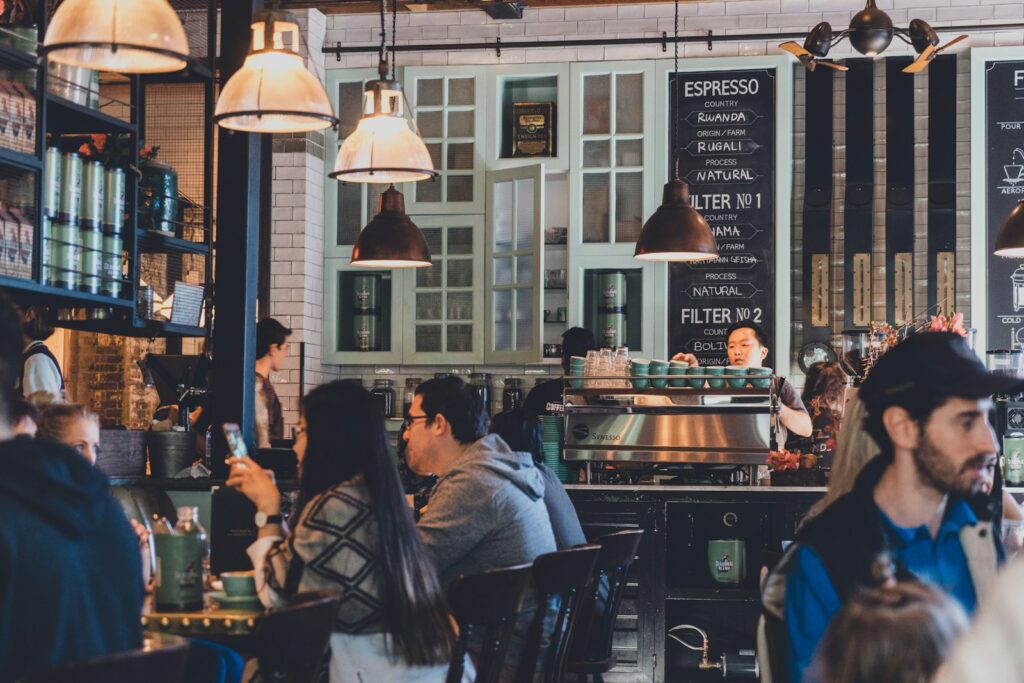
What happens next leaves her scratching her head. Instead of receiving $5.99 in change, she gets only $5.95. The cashier doesn’t mention anything about rounding down due to a shortage of pennies. It all feels a bit off. Why is she expected to have exact change if the shop can’t return it? It’s a small business, and while it seems like a minor inconvenience, it raises a lot of questions about how transactions are handled.
She wonders why there’s still a necessity to charge in one-cent increments when the shop can’t give back change properly. The discrepancy is annoying, but she chalks it up as just one of those small annoyances that come with daily errands. After all, she’s just buying a muffin, not a fancy coffee drink. If she had ordered a coffee that was carefully crafted, perhaps she would have felt differently about tipping, but this was just a quick grab-and-go.
People had very different reactions to her tale on Reddit. Some found themselves sympathizing, noting that rounding down without even mentioning it is a bit sneaky. Others expressed similar frustrations, recalling their own experiences of being shorted change or encountering businesses that charge sales tax but are unable to provide the right change. There’s a collective understanding that feeling shortchanged, even by a small amount, can leave a bitter taste.
Some pointed out that businesses should be transparent about their practices, especially when it comes to handling cash. If they can’t complete the change due to a shortage, then why not adjust the prices to avoid the hassle? Others chimed in suggesting that the solution would be to simply increase the price of the muffin to $4.05 and make life easier for both the customer and the cashier.
The mom’s experience taps into a larger frustration with everyday transactions in a world increasingly moving toward cashless payments. Some felt that it wasn’t just about the four cents, but about the principle of good customer service. If the business is inconvenienced by a shortage, shouldn’t they address it directly? It’s all a part of maintaining a good relationship with customers.
Interestingly, while many agreed that being shorted change is irritating, others suggested a more positive spin on the interaction. They noted that it’s always good to find humor in these types of situations—after all, a muffin is just a muffin, and there are bigger issues at play. Still, it leaves one to wonder how many people have experienced similar annoyances and how they handled them.
In a world where transactions are becoming increasingly digital, where does that leave cash-handling practices? Is it reasonable for customers to expect precise change when businesses can’t provide it? The Reddit discussion leaves lingering questions about fairness in the smallest exchanges and how the shifting landscape of commerce is changing the way people think about money—down to the last cent.
More from Decluttering Mom: