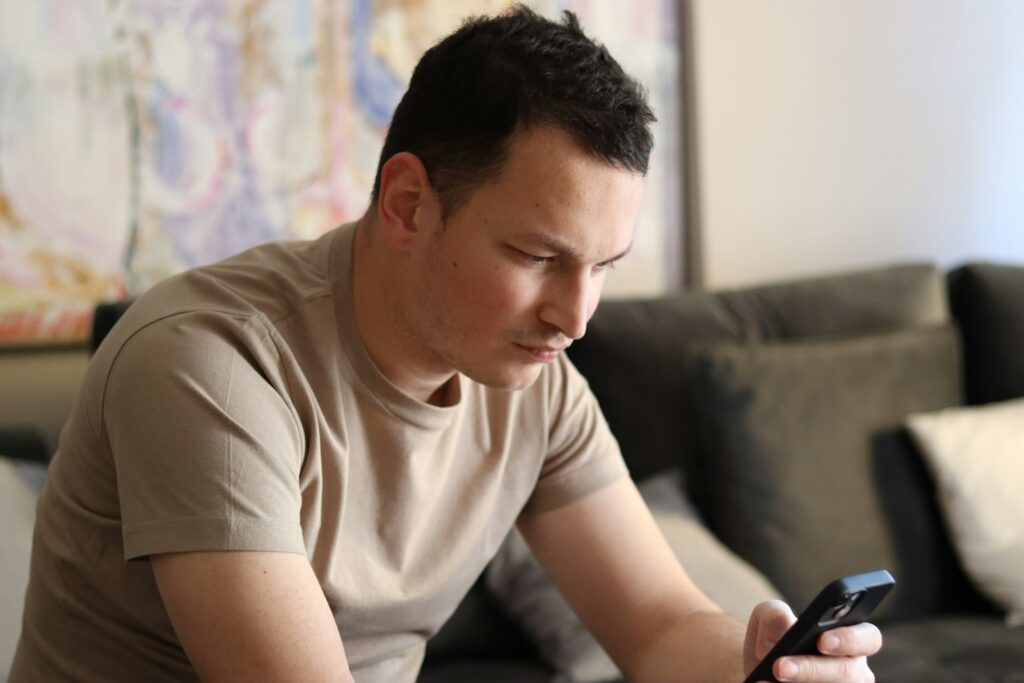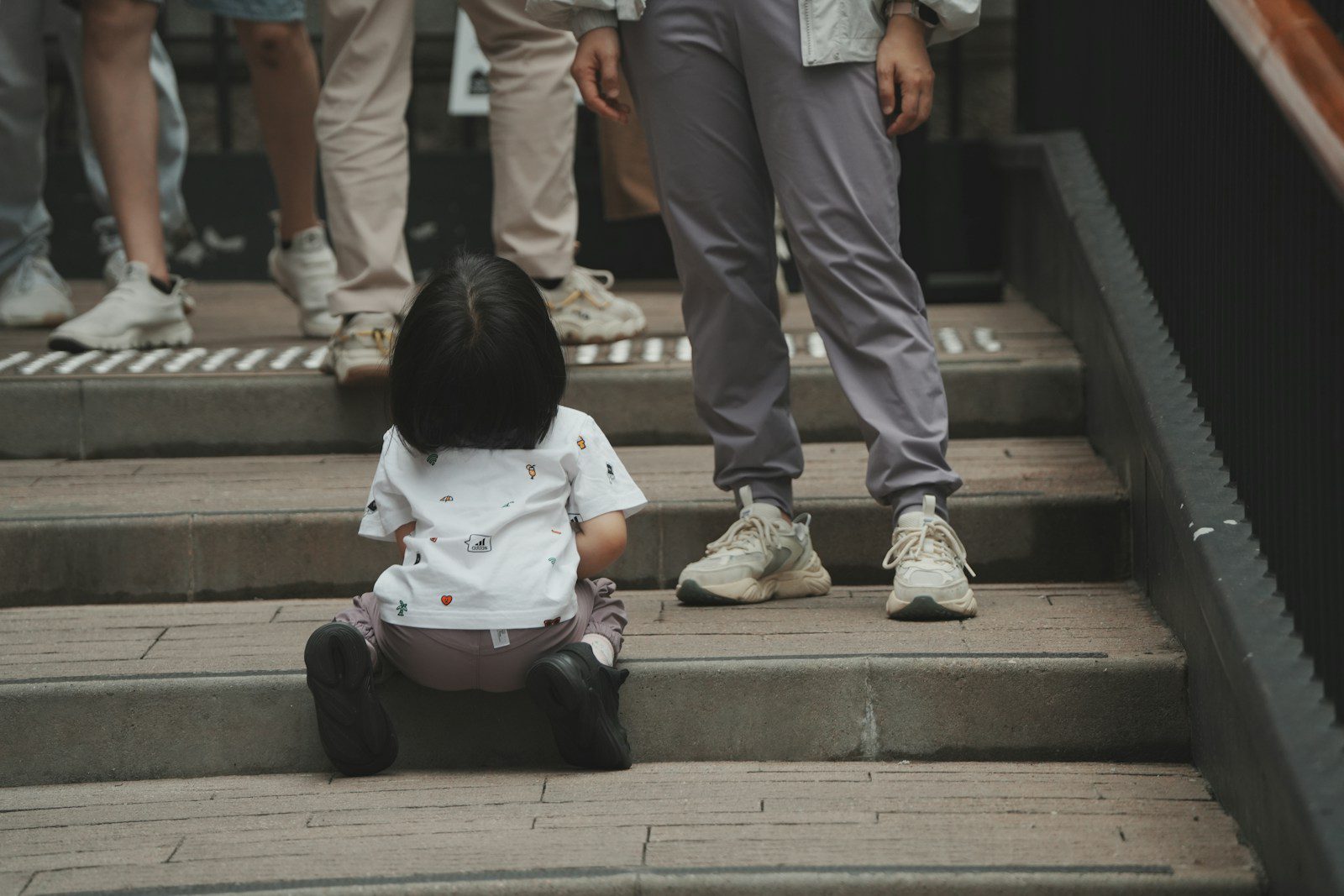
A father out with his young son watched in shock as a stranger suddenly raised their voice at the child in a crowded public space. What followed was not the explosive confrontation many parents imagine, but a chain of reactions that exposed how divided people are about when, if ever, it is acceptable for adults to discipline someone else’s child. The moment became a test of boundaries, community responsibility and the long shadow that yelling can cast on children.
Across parenting forums, social media threads and expert guidance, similar scenes play out again and again: a child misbehaves, a stranger intervenes, and the adults around them are left to decide whether that intervention was protective, intrusive or outright harmful. The father in this story discovered that the answer depends not only on what was said, but on how it was said, who was watching and what the child took away from the encounter.
The flashpoint: when a stranger’s voice cuts through the noise
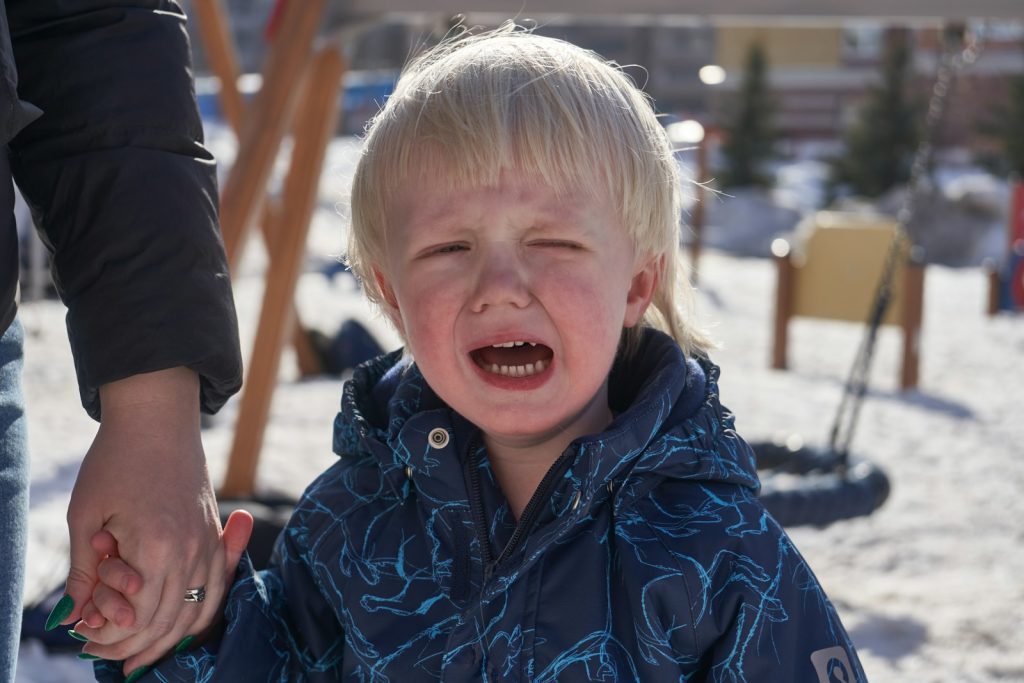
The incident began the way many family outings do, with a distracted parent juggling bags and snacks while a child darted ahead toward a display. The boy knocked into another shopper, and before the father could react, a nearby adult turned sharply and yelled at the child, their voice cutting through the background chatter. In that instant, the father’s attention snapped from mild annoyance at his son’s clumsiness to a visceral jolt of protectiveness, the kind that many parents describe when they imagine how they would respond if a stranger shouted at their kid in public.
Online discussions show that this flashpoint is familiar. In one widely shared thread, parents were asked what they would do if a stranger yelled at their child in a public setting, a scenario framed with the blunt prompt, What would you do. Responses ranged from vows to confront the adult on the spot to admissions that context matters, especially if safety is at stake. The father in this case felt the same surge of anger, but he also saw his son’s face crumple in confusion and fear, and that changed what he did next.
How parents say they would react, versus what they actually do
In theory, many parents insist they would immediately step between their child and any stranger who raised their voice. Commenters on a popular radio show’s social media page described how they would respond if someone shouted at their kid, with one person writing “Yes! You can say that! Boundaries and he defended himself!” while another, Annette Johnston, veered off into a joking aside about “Cowboys sucks.” Others, like Ashley McWilliams, said they actually had stepped in when they felt a line had been crossed. The tone of these exchanges is often combative, full of bravado about defending children at all costs.
Yet when parents describe real encounters, their reactions are often more conflicted. One mother who wrote about the day a stranger disciplined her child admitted that her initial fury was intense, but on reflection she felt the anger toward the stranger was misdirected and that she probably would have appreciated calm intervention if it had been phrased differently, a nuance she shared in a detailed account. The father in the supermarket found himself in that same gray area: he wanted to defend his son, but he also knew his child had bumped someone and needed guidance, not a public shouting match between adults.
Inside the dad’s dilemma: protect, correct, or both
As the stranger’s words echoed, the father’s first instinct was to raise his own voice in return, to show his son that no one was allowed to speak to him that way. Similar impulses appear in parenting forums, where one user with the handle Braaaaaaainz described a father who “brands his outburst as ‘standing up for himself’ that he needs to do, to demonstrate to his son,” in a heated argument over a child. That framing, of anger as a lesson in self-defense, is tempting in the moment, especially when a parent feels judged or blindsided.
But the father in this story paused when he saw his son shrink back, more startled by the volume than the words. He realized that if he escalated, his child would mainly learn that adults respond to conflict by shouting louder. Other parents have described similar realizations after the fact. One wrote about yelling at a stranger and then seeing how much it scared their own child, later saying they Had a similar event before and then Explained it as a “teachable moment” about sharing frustrations without losing control. The supermarket dad decided he wanted that kind of lesson instead of a scene.
Why yelling hits children harder than adults realize
Part of what made the father hesitate was a growing awareness that yelling at children is not just a matter of hurt feelings. Pediatric specialists warn that Screaming or yelling at children does not help them listen or learn, because they become focused on the adult’s anger rather than the underlying message, and repeated exposure can damage the parent child relationship, a point underscored in guidance on alternatives to shouting. When the raised voice comes from a stranger, the impact can be even more disorienting, because the child has no emotional history to soften the blow.
Research has gone further, suggesting that verbal aggression from adults can have long term consequences. One study, summarized for a broad audience, reported that Adults shouting at children can be as harmful to a child’s development as sexual or physical abuse, a comparison that startled many readers when it was highlighted by CNN. While not every raised voice in a supermarket aisle reaches that level of trauma, the research underlines why parents like the father in this story are increasingly wary of anyone, including themselves, using shouting as a default tool with kids.
The stranger’s side: when adults feel pushed to intervene
From the stranger’s perspective, the situation looked different. They had just been jostled by a small body, perhaps already stressed by a long day, and reacted with a sharp reprimand that they might have considered normal in their own childhood. In some communities, adults still see themselves as responsible for correcting any child who crosses a line in public, a sentiment echoed in travel and parenting groups where members say they would step in, Thank you all, if a child was being aggressive and even insist that the parent make the child apologize, as one commenter named Hazel Ida Lynn Perrault did in a lively exchange.
Other adults feel uncomfortable but still believe there are moments when they must act, especially if a child is hurting another child. One parenting educator admitted feeling really uneasy about correcting someone else’s child, However, they would step in if a child was clearly out of control and hitting others, and would try to redirect behavior without shaming, as described in advice on what to do when kids lash out physically. The stranger in the supermarket may have seen their raised voice as a quick way to restore order, not realizing how it would land on the child or the parent.
Community norms: what parents say is “acceptable” in public
Beyond individual tempers, there is a broader debate about what counts as acceptable adult behavior toward other people’s children in public spaces. In a widely discussed thread, one user asked Parents how they would feel if a stranger commented on their child misbehaving and whether there was any acceptable way to do it, prompting a range of answers that often drew a line at physical danger, with some saying they would only welcome intervention if something truly risky was happening, as captured in a detailed discussion. Others argued that a calm, respectful comment was fine, but shouting crossed a clear boundary.
Some parents actively welcome a “village” approach, as long as it is delivered gently. One caregiver reflecting on a tense moment at a splash pad said they would not have a problem with someone else calmly correcting their child in public, even if they were present, adding that they were “all for the village” when it came to shared responsibility, a stance they shared in a candid post. The father in the supermarket found himself somewhere in between: he did not object to another adult noticing his son’s behavior, but he believed the volume and tone were out of step with what most parents now consider acceptable.
When intervention goes too far, and when it saves the day
Not every adult intervention is about discipline. Sometimes, a stranger’s split second decision to act around a child can be life saving, which complicates the instinct to tell everyone to mind their own business. In a viral video, a father reacted in an instant to save his child from a kidnapping attempt, with the clip shared under the banner of Epic News and DM Production In a dramatic montage that emphasized how His quick reflexes turned him into a hero without a cape, a story that spread rapidly on TikTok. That kind of footage reinforces the idea that adults should be ready to step in when danger strikes, even if the child is not their own.
At the same time, there are quieter stories of intervention that backfire. Comedian Julie Kim has described a recent situation at Granville Island in Vancouver, where she snapped and yelled at a stranger’s misbehaving child in a busy market area filled with food stalls and an activity centre upstairs, surrounded by clothing and shoe shops, a moment she later unpacked in a reflective piece. Her account shows how even well intentioned adults can misjudge the emotional temperature of a situation, leaving parents and children rattled rather than reassured. The supermarket father recognized that distinction: he wanted strangers to protect his son from real harm, not to police minor bumps with a shout.
Setting boundaries without escalating the conflict
Faced with the stranger who had yelled at his son, the father chose a middle path. He walked over, placed a hand on his child’s shoulder and addressed the adult in a steady voice, saying that he understood they were startled but that shouting at his son was not acceptable. This kind of boundary setting mirrors advice from parents who say they would calmly but firmly tell another adult to direct concerns to them, not to the child, a stance echoed in multiple threads where caregivers describe how they “defended” their kids while still acknowledging the original behavior. One parent in a radio show discussion praised a father who did exactly that, saying “Boundaries and he defended himself,” in the same conversation that included the emphatic “Yes! You can say that!” and the aside from Annette Johnston about “Cowboys” and the comment from Ashley, all captured in that exchange.
Other fathers have described refusing to play the role of disciplinarian for someone else’s child when asked. In one account, a dad was urged to use his “dad voice” on a stranger’s misbehaving kid, but he politely declined, explaining that if they were ever the “bad guys” in a safety situation, the child might hide from them instead of seeking help, a concern he laid out in a thoughtful comment. The supermarket father’s response followed that logic: he wanted his son to see him as a safe advocate, not as someone who would join in the shouting or outsource discipline to strangers.
What the child learns when adults choose calm over volume
More from Decluttering Mom: