


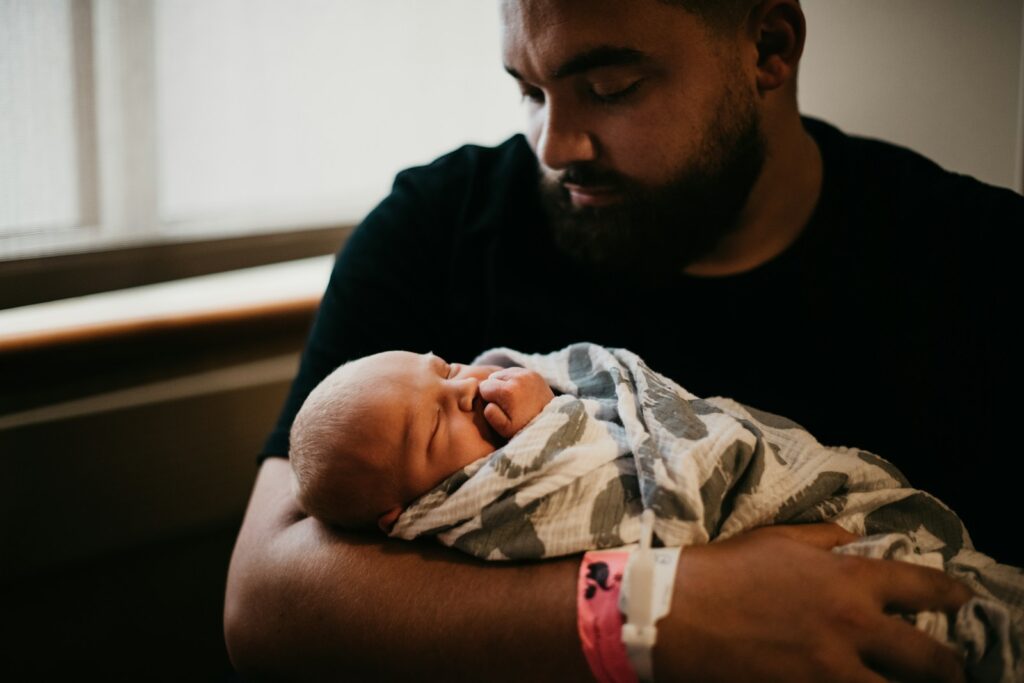
A father recently opened up about an unexpected struggle after welcoming his second child. While his older son has taken to his new baby sibling with enthusiasm and affection, the dad finds himself on the outside looking in, unable to form the same immediate connection.
The contrast between his firstborn’s natural bond with the newborn and his own difficulty connecting has intensified feelings of inadequacy and guilt. What makes the situation particularly painful is watching his older child step into a caring role while he grapples with feeling like a bystander in his own family’s expansion.
Research shows that fathers experience complex emotions during the transition into parenthood, including feelings of being a passenger parent. This dad’s story highlights how these challenges can persist or even deepen with subsequent children, especially when family dynamics shift in unexpected ways.

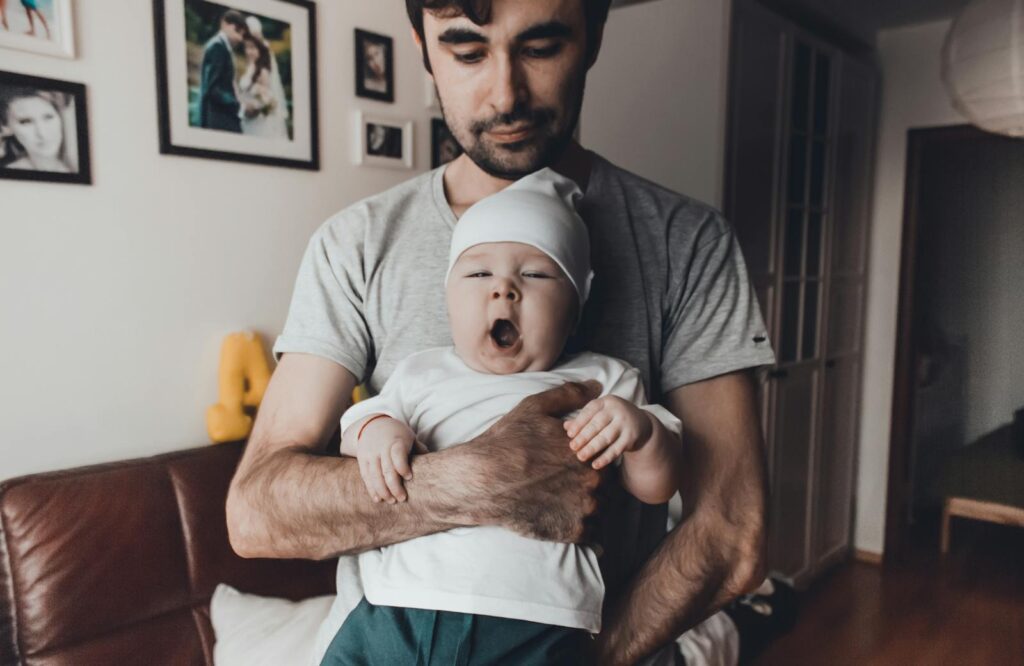
Facing Dad Guilt After Welcoming Baby No. 2
The arrival of a second child often triggers unexpected emotional responses in fathers, particularly when they struggle to adjust while watching their older child embrace the new sibling with ease. Many dads report feeling overwhelmed by guilt when their own bonding process doesn’t match the immediate affection their firstborn shows the baby.
Understanding the Emotional Impact of Having a Second Child
The transition from one child to two represents a complete disruption of established family routines. A father recently shared on Reddit that he felt “in over my head” after welcoming his second baby, admitting he valued his previous routine more than he realized.
His first daughter was born during the COVID-19 pandemic when both parents worked from home. They spent years developing a comfortable schedule where their daughter went to bed by 8 p.m., giving them valuable downtime each evening.
After the second baby arrived, everything changed. The father described how there was suddenly no downtime, double the laundry, double the attention needed, and “especially double the responsibilities.” He questioned how he was supposed to handle the new situation after being comfortable for so many years.
Why Guilt Feels Worse the Second Time Around
Dad guilt intensifies with a second child because fathers often expect the experience to be easier. They’ve already navigated the newborn stage once and assume they know what to expect. When reality doesn’t match expectations, the emotional impact feels more pronounced.
The father from the Reddit post expressed conflicting emotions:
- He loved his newborn
- He felt overwhelmed by the changes
- He wanted things to return to how they were
- He felt guilty for having those feelings
Research into fatherhood shows that new dads experience complex emotions during transitions to parenthood. This parental guilt stems from wanting to feel differently than they actually do about their family situation.
Navigating the Bond Between Siblings
When an older child immediately adores the newborn, it can amplify a father’s struggle if his own bonding process takes longer. The stark contrast between the sibling’s enthusiasm and the parent’s adjustment difficulties creates an uncomfortable emotional gap.
First-time parents often experience bonding challenges without the added pressure of comparison. With a second child, fathers face the reality of watching their older child form an instant connection while they’re still processing the lifestyle changes. This situation doesn’t reflect a lack of love but rather the practical and emotional weight of expanded responsibilities.
The older child’s excitement can serve as both a blessing and a source of additional pressure for struggling parents.
Common Triggers for Parental Guilt With a Newborn
Several specific situations trigger parent guilt after a second baby arrives:
Loss of one-on-one time with the older child creates worry about neglecting the firstborn’s needs. Comparing parenting experiences between the first and second child often leads to self-criticism. Physical and mental exhaustion makes it harder to be present for either child.
Missing established routines that provided structure and downtime compounds the stress. The father in the story specifically mentioned mourning the loss of his evening relaxation time after his daughter’s 8 p.m. bedtime.
Work-life balance shifts also contribute to feelings of inadequacy. Even parents who successfully managed work and one child find themselves stretched thin with two. These triggers affect fathers differently than mothers, though both experience legitimate forms of parenting guilt during major family transitions.
Challenges in Bonding and Finding Your Role as a Dad
Many fathers experience a disconnect when a second child arrives, finding themselves watching from the sidelines while older siblings eagerly embrace their new role. This struggle intensifies when dads notice they’re the only family member not feeling an instant connection.
Adjusting to Changing Family Dynamics
The arrival of a second baby completely reshapes household relationships in ways many fathers don’t anticipate. When the firstborn immediately bonds with the newborn, it can leave dads feeling like outsiders in their own family. The mother often focuses intensely on the infant’s needs while the older child takes on a protective sibling role, creating a tight-knit circle that doesn’t always include dad.
Bonding with a newborn is often a gradual process rather than an instant event, especially for fathers who don’t have the nine-month physical connection mothers experience. Sleep deprivation compounds these feelings, making it harder to process emotions or feel present. Some dads describe feeling like a “third wheel” in their own home, particularly when breastfeeding creates an additional barrier to involvement.
Tips for Strengthening the Fatherhood Bond
Fathers who struggle with bonding often find success through consistent, hands-on involvement in daily routines. Taking ownership of specific caregiving tasks like bath time or diaper changes creates predictable moments of connection. Skin-to-skin contact proves particularly powerful—holding the baby against bare chest helps regulate the infant’s system while releasing bonding hormones in the father’s brain.
Bottle-feeding sessions offer fathers the same intimate face-to-face interaction that nursing parents experience. Even when not directly feeding the baby, dads can handle burping duties or diaper changes immediately after feedings. New fathers who struggle to connect sometimes find that baby-wearing throughout the day builds closeness through motion and proximity.
Balancing Attention Between Children
Dividing time between a newborn and an older child presents unique challenges when the firstborn has already formed a strong bond with the baby. The older sibling often wants constant involvement with the infant, leaving dad uncertain about where he fits. Some fathers redirect this energy by engaging the older child in “helper” activities that don’t directly involve the newborn.
Creating one-on-one time with each child separately helps fathers develop distinct relationships with both kids. This might mean taking the older child for special outings while the mother tends to the baby, then later focusing solely on the infant during specific routines.
Support Strategies for Dads Feeling Left Out
Mental health challenges affect new fathers more commonly than many realize, though societal pressures around masculinity often prevent them from seeking help. Dads experiencing consistent detachment, numbness, or resentment toward the baby may be dealing with paternal postpartum depression rather than simple adjustment difficulties. Anxiety and imposter syndrome frequently emerge during this transition period.
Fathers benefit from acknowledging that their relationship with the child will differ from the mother’s bond or sibling connection, and that difference holds value. Finding support and connection through other fathers, family members, or professional resources helps dads navigate feelings of isolation without withdrawing from the family unit entirely.
More from Decluttering Mom: