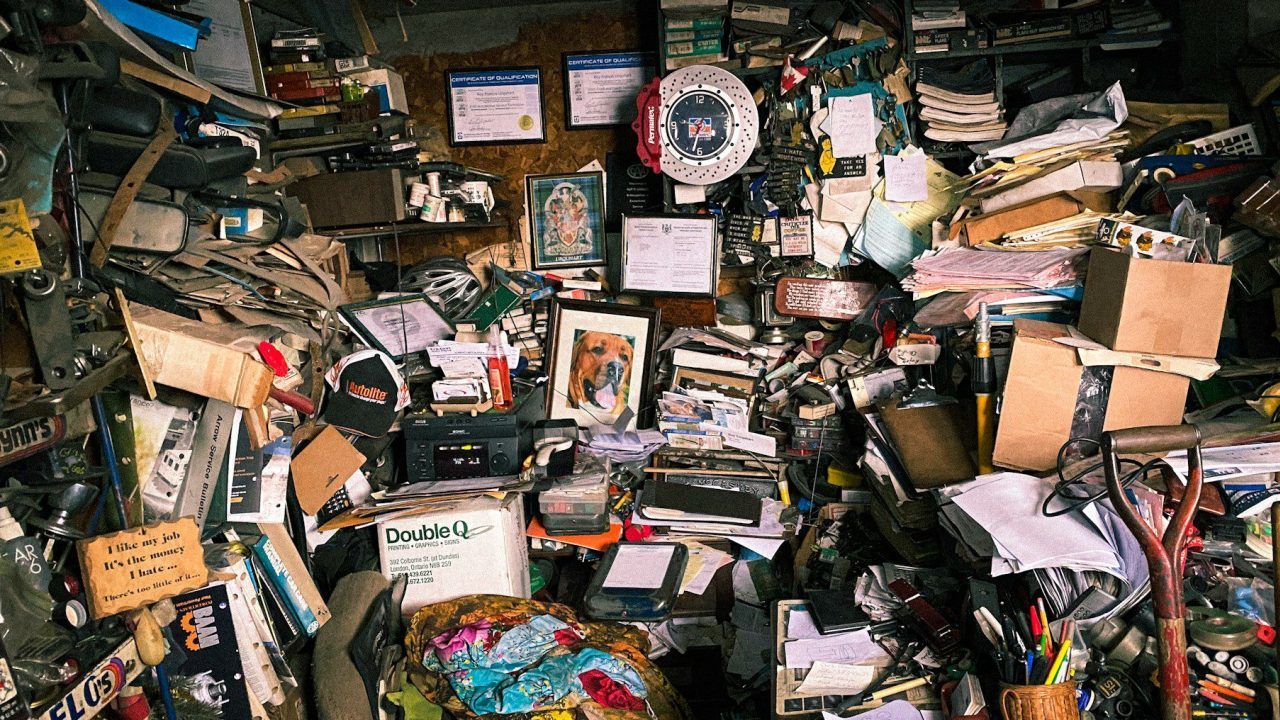
Decluttering can feel overwhelming, especially if you’re not naturally inclined to tidy up. You might struggle with where to start or worry it will take too much time and effort.
These decluttering challenges are designed to make the process manageable and even a bit fun, no matter how much you dislike cleaning. They break the task into small, simple actions that fit into your day without stress.
Emotional Attachment to Stuff

You might find it hard to part with items that hold memories or sentimental value. It’s natural to want to keep things that remind you of special people or moments.
Allow yourself to keep a small, manageable number of meaningful items. This way, you honor memories without overwhelming your space.
Sometimes, working through these feelings takes time. Taking small steps regularly can make the process less stressful and more achievable.
Overwhelm from Too Much Clutter

When your space is filled with stuff, it’s easy to feel overwhelmed. Clutter can make it hard to focus or relax.
You might find yourself avoiding cleaning because the task feels too big. Starting small can help, like getting rid of broken or unwanted items first.
Taking tiny steps each day can make a big difference. It’s about creating a space that feels manageable for you.
Difficulty Starting the Process
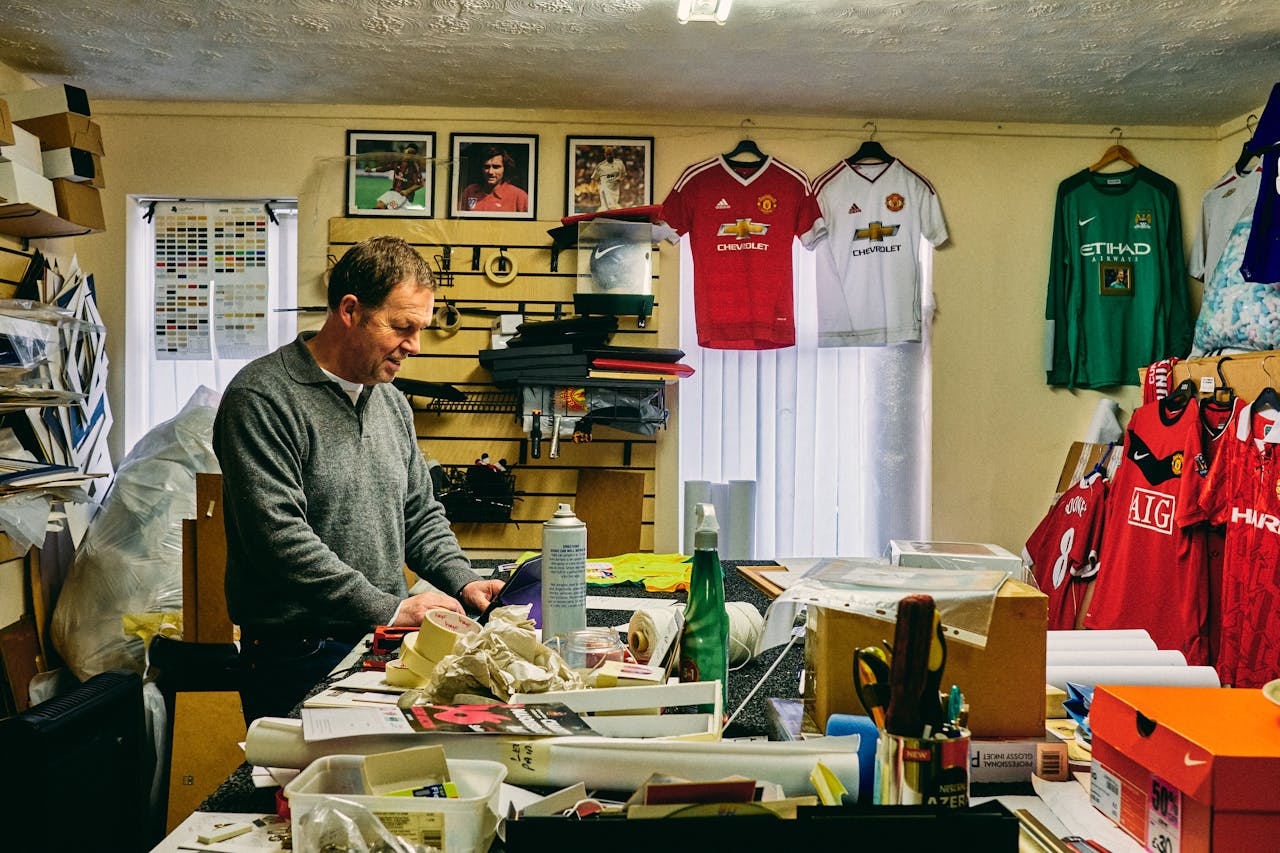
You might find it hard to know where to begin when decluttering. The first step can feel overwhelming, especially if your space is very cluttered.
Starting small helps. Try spending just 10 minutes in one area or focus on getting rid of a few items. This builds momentum without feeling like a big task.
Remember, you don’t have to do it all at once. Taking tiny steps makes the process less intimidating and more manageable.
Fear of Getting Rid of Useful Items

You might worry that an item will be useful someday, so getting rid of it feels risky. This fear can make even small decluttering tasks overwhelming.
It helps to start small and remind yourself that you can always replace things if needed. Sometimes, putting items in storage temporarily can ease this fear without forcing immediate decisions.
Perfectionism Slows Progress

If you wait for the “perfect” moment or way to declutter, you might never start. Perfectionism can make you focus too much on every single detail. This slows down your progress.
You might feel like you have to finish everything perfectly each time. But small, imperfect steps add up. Let go of needing flawless results to move forward.
Lack of Time to Declutter

If you feel pressed for time, decluttering can seem impossible. You don’t need hours at once; even 10 minutes can make a difference.
Try quick challenges like spending 10 minutes in one area and removing 10 items. These small bursts fit easily into a busy schedule.
Breaking decluttering into tiny sessions helps you build progress without feeling overwhelmed or losing time for other tasks.
Sentimental Items Are Hardest

You might find sentimental items the toughest to part with because they often hold memories tied closely to your identity. These things feel like more than just objects—they represent moments and people you care about.
Starting with less emotional items can help ease the process, so you don’t get overwhelmed early on. Remember, some items may have historical or unique value, so consider keeping or donating those thoughtfully.
Not Knowing Where to Begin

If you don’t know where to start, focus on small, visible areas. Picking easy spots helps you see progress quickly and keeps you motivated.
Try breaking the task into short time frames, like 10 minutes per space. This makes decluttering less overwhelming and fits easily into your day.
Starting with places you use often can give you a quick win and inspire you to keep going.
Struggling to Let Go of “Just in Case” Items

You might find it hard to part with things you keep “just in case” you need them someday. It’s normal to feel unsure about letting go.
Try setting a time limit for how long you’ll keep something without using it. If it hasn’t been useful by then, it’s likely okay to let it go.
Focus on the space and peace you gain, rather than the fear of needing the item later. Taking small steps makes this easier over time.
Hiding Clutter in Less Visible Spots
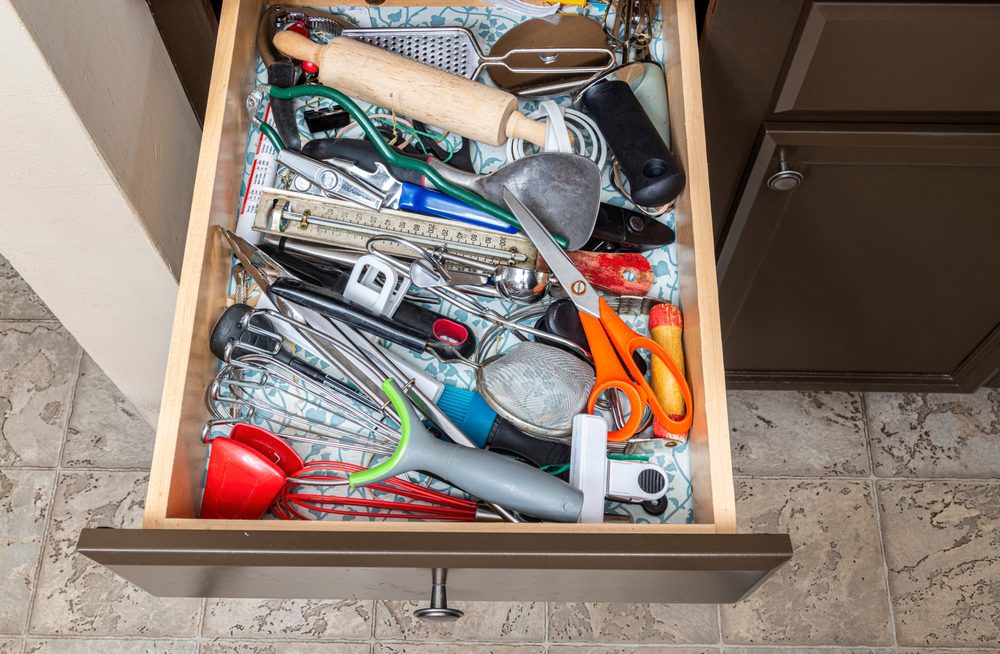
You might find yourself tucking clutter into less obvious places like behind furniture or inside drawers. It feels like a quick fix, but those spots can become overwhelming over time.
Look closely at smaller hidden areas—like hats, old paperwork, or random kitchen drawers. Clearing these can make a big difference in how your space feels. Try tackling one small spot daily to keep it manageable.