

For about 25 years, a family in Newark, Delaware, fenced in the rear of a triangular strip of land, gardened it, and treated it as part of their yard. Then new neighbors moved in next door and asked them to pay $30,000 to keep it. A court has now sided with the family on the fenced part.

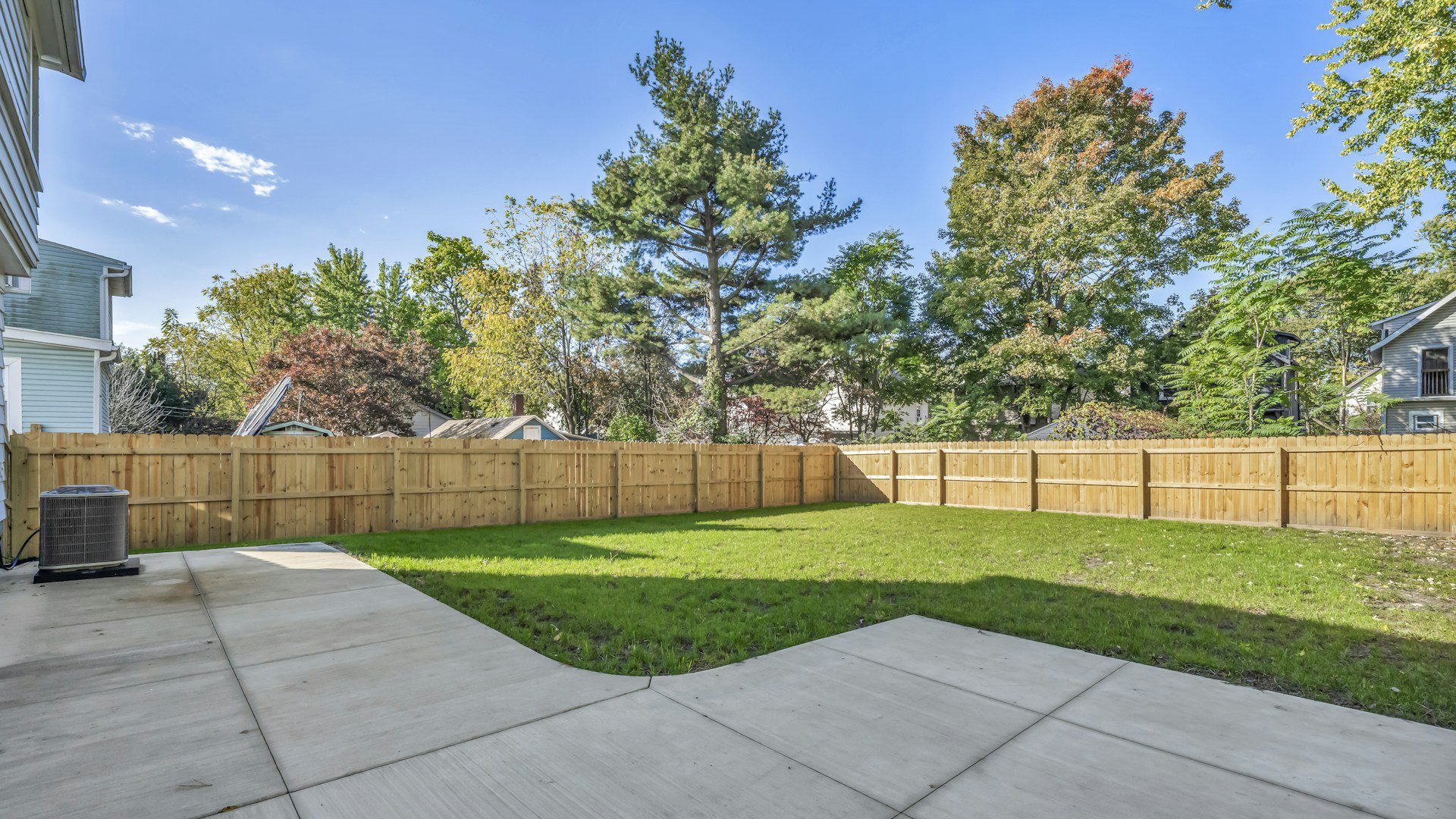
The Times of India reported on the case, which was decided by the Delaware Court of Chancery. According to that report, the ruling gives homeowners Joseph and Danielle Murray legal ownership of the enclosed rear section.
A Fence, A Garden, A Beehive And Decades Of Care
Court records show the Murrays looked after the fenced section for around 25 years. They put up fences, maintained the garden, and regularly treated the area behind their home as their own backyard.
Over the years they placed several personal items inside the fence line. These included a stone retaining wall, garden features, a beehive and a decorative statue.
Photographs and witness statements presented in court showed that these items stayed there over time. That helped confirm the family had used and controlled the rear yard without interruption.
New Owners Bought Next Door In December 2022
The trouble began when the Preradovic family bought the neighboring home at 234 South Dilwyn in December 2022. Soon after the purchase, surveys showed differences in the boundary lines.
The new owners asked the Murrays to move or remove the existing fence. At first, both sides talked about officially changing the property boundaries through New Castle County authorities.
The talks broke down over money.
“$30,000” To Sign A Deed For Land They Had Tended For Decades
Court documents show the new owners asked the Murrays to pay $30,000 in exchange for signing a deed transfer that would let them keep the fenced land. The Murrays refused. They said they already had rights to the land because they had used it for so many years.
That disagreement landed in the Court of Chancery. At first, the Murrays asked the court to enforce what they said was an agreement to transfer the land.
Magistrate in Chancery Loren Mitchell found in an earlier decision that the claimed sale agreement could not be legally enforced, because both sides had not clearly agreed on the exact legal description of the property. The case then moved on to a full review of the main claim, known as adverse possession.
The Court Carved The Triangle Into Three Pieces
When the court reviewed the land, it divided the disputed triangle into three sections. They were the enclosed rear yard behind the fence, a stone planter area, and an unfenced grass lawn stretching toward the street.
The court decided the Murrays met every legal requirement for the rear section enclosed by the fence and retaining wall. The ruling explained that the fence clearly showed the family treated the land as theirs, which would have been obvious to anyone who owned or lived next door.
The Murrays showed that they used the enclosed rear part openly, continuously and exclusively for more than the 20 years required under Delaware law. As a result, the court awarded them full legal ownership of that section.
Why The Front Lawn Stayed With The Neighbors
The Murrays did not win everything. The court rejected their claim to the front sections, which include the planter area and the grass strip beside the road.
It found the family had not maintained those areas regularly. There were periods when the grass became overgrown, and other people also had access to the space.
The judge ruled that regularly cutting grass along an unfenced front boundary was not enough to prove exclusive control against the legal owner. So the Preradovic family kept ownership of the outer front lawn.
What Adverse Possession Really Means For Homeowners
Adverse possession is an old legal doctrine that lets a person gain title to land they have used openly for a long period, even though someone else holds the deed. Under Delaware law, as the report explains, the person claiming the land must prove their use was open, visible, continuous, exclusive and against the interests of the legal owner for at least 20 years.
The court also explained that continuous use does not mean being physically present every minute. Instead, the claimant must act like an owner in a way that suits the type of land involved.
Rules like these differ from state to state, including the number of years required. That is one more reason to check your own state’s law.
Practical Lessons If You Are Buying Or Living Next To A Boundary Line
Boundary surprises are more common than most people think. If you are buying a home, a current survey can show where the lines run and whether a fence, shed or garden crosses them.
If you already live beside a disputed line, put things in writing early. A friendly letter or a signed agreement that spells out who owns what can prevent years of tension later.
Keep records of how you use your land, such as photographs, receipts for fences and landscaping, and the names of neighbors who can vouch for it. The Murrays’ case turned on exactly that kind of evidence.
Talk to a local real estate attorney before you spend money on a fight or agree to a payment. As this case shows, an agreement that does not clearly describe the land can fall apart in court.
A Win With A Warning Attached
The decision settled the central boundary dispute, but it also showed that long-term use alone does not guarantee ownership. Every legal requirement has to be met, and the fenced yard was the clearest case.
For the Murrays, that fence made the difference. For everyone else, it is a reminder that what you do with your land year after year can matter as much as what the deed says.
More Stories You May Like
- Reseller Pays £5 For Rusty Tins Said To Sell For £20 To £25 To Film Studios, Then Flips A £15 Speaker For £74.99 In One Car Boot Sale Haul
- Seller Gets Message Claiming Size 12 Shoes Arrived As A 9 And A Half, Then The Buyer Changes The Story To One Of Each, And An AI Photo May Be Behind It
- Professional Organizers Say Stop Donating Your Old China, Solid Wood Furniture And Vintage Designer Items, And One Warns Which Baby Gear You Must Never Resell