

A pair of vintage Jordans that were not in the greatest shape sold for about $60, and then the message landed. “Dude, these are a 9 and 1/2,” the buyer wrote, with a blurry photo of a size tag.

Wick, the seller behind the FlippingJunk channel, was already worn out by messages like it. He checked his listing, and he had a photo of the tag showing the shoes were a size 12.
So he stayed polite. “Hello, the shoes we sold are size 12. Maybe you’re confused and are looking at the wrong shoes,” he replied, because he says people do get confused when they buy a lot of stuff.

Then The Buyer Changed The Story To “One Is A 12, The Other Is 9 And 1/2”
Three more photos arrived, along with a new message. “Dude, one is a 12, the other is 9 and 1/2. Is this a joke?”
Wick pointed out that the first message said both shoes were a 9 and a half. Now one was supposedly a 12. He says that if the buyer had claimed 11 and a half, he might have believed he made a mistake, but 9 and a half against 12 is a big difference he would have noticed.
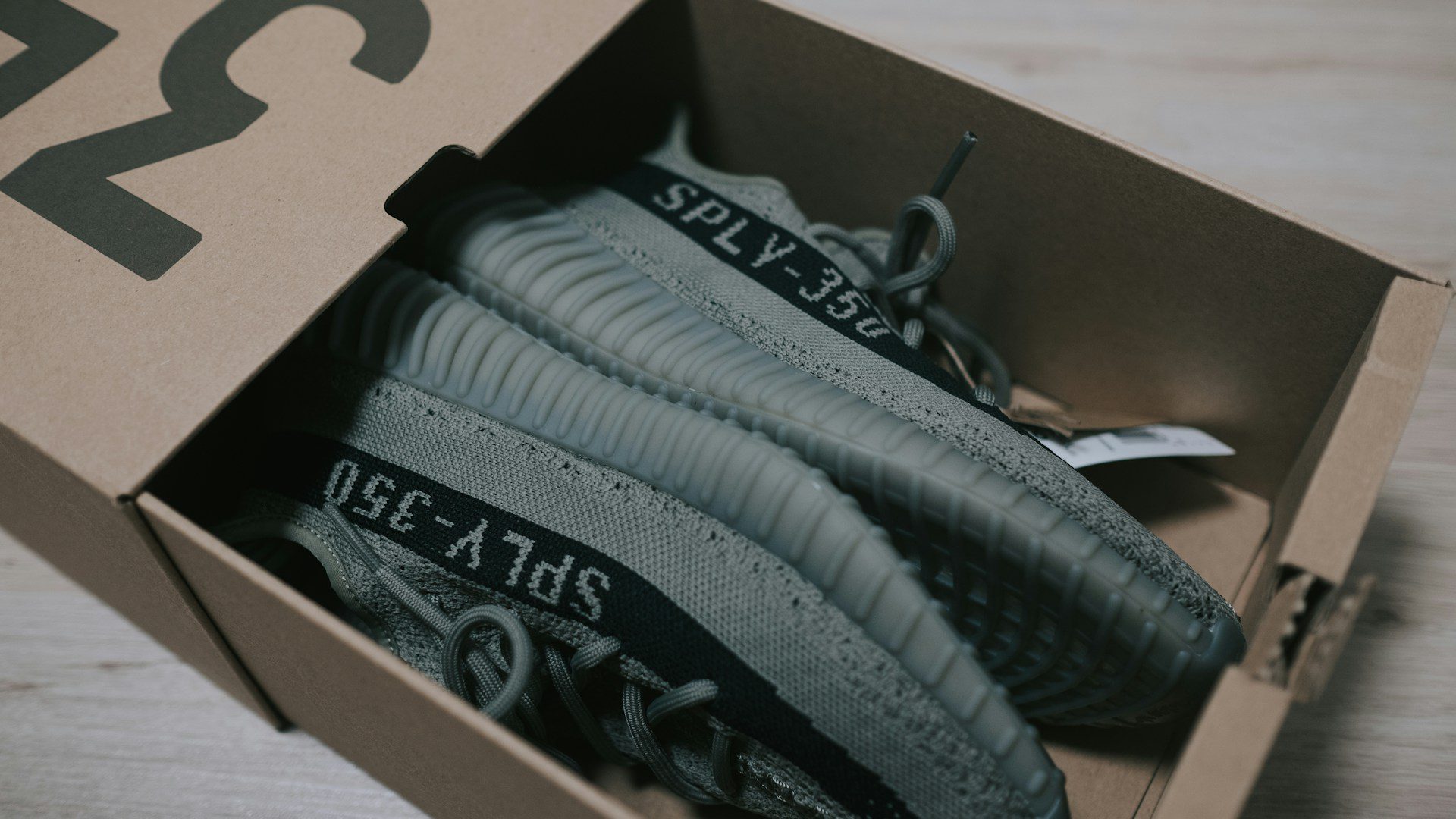
He also noticed the shoes sat on top of a box, and his pair never came with one. He suspects the photo could have been made with artificial intelligence, which he calls a big thing right now in scams.
An AI Photo Might Be Behind It, And He Says To Run Suspicious Pictures Through A Checker
Wick says AI pictures can trick sellers and buyers alike. He has heard of items listed that do not exist, and of people who use AI to fix flaws in their photos and then claim the buyer caused the damage.
His tip is to download a suspicious photo and ask ChatGPT whether it is an AI image. As far as he knows that is very accurate, though the technology is new so he would not trust it 100%. If it says the photo is AI, he says, you can probably call the buyer out right there.
His Polite Reply Offered A Full Refund, And Mentioned Fraud Cases Right Up Front
Wick’s standard answer reads like this: “We offer returns up to 30 days. Once we receive the shoes back and check them, we can issue a full refund.” He adds that the shop gets many scam attempts on shoes and will open fraud cases with the postal service and eBay. He also says he is not accusing the buyer, since it could have been an error.
He asks the buyer to choose “wrong item received” so he is charged for the return label. He says that is a sign of good faith, and he wants the messages to look civil in case eBay reviews them.
The mention of fraud is deliberate. If someone is scamming, Wick says, a person who does this often collects little dots on a chart, and connecting them tells a big story that can get an account banned.
The Shoes Never Came Back, Because He Says The Buyer Wanted Two Size 12s
Usually, says Wick, these buyers ask for a partial refund. In his last scam video, a man who claimed he got a youth size said he could give them to a nephew and wanted money back. Wick told him partial refunds were off the table and that the shoes had to come back.
In this case the buyer wrote that he had been busy and would send them out Monday. That was 10 days earlier, and nothing came back. Wick’s view is that the buyer wanted to keep two size 12 shoes and was hoping for a refund anyway.
Keen Boots, A Cobbler Quote Of $145, And A Message That Sounded Off
Another buyer paid about $50 for Keen boots and wrote that he loved them, wore them the day after they arrived, and they both broke open at work. Wick calls it a red flag, because honest buyers tend to just say the shoes fell apart and ask to return them.
The same message mentioned an eBay claim, which Wick calls a bit passive-aggressive since sellers do not want dings on their accounts. He replied with his usual 30-day return offer. The buyer answered that a cobbler wanted $145 to fix them, so it was not worth it. Wick did not reply again. His question was who takes a pair of Keen boots to a cobbler instead of just returning them.
A Broken Aquarium Lamp And A Hot Wheels Set With A Sad Kid
A buyer of a moving aquarium night light wrote about rattling, broken plastic gears and a motion part that did not work. Wick had video of it working. After he offered a return, the buyer said it might be more damaged when it came back because they tried to fix it. Wick replied that they would be able to tell if it was the same unit, and the lamp never came back.
Wick says people try this with electronics a lot, like VCRs and DVD players, sometimes hoping to swap in a broken unit. He has seen buyers try it over a plush toy that sold for about $10.
The Hot Wheels track set was a sealed one he found at Goodwill. The buyer said a part was broken, and later wrote that the son was sad and asked about a partial refund. Wick calls that a cookie-cutter line, and says his answer is always the same, no partial refunds, a full refund on return.
What To Do If A Buyer Claims The Wrong Item Showed Up
Wick says the key is to stand your ground. Scammers look for easy targets, he says, and most back off when you stay calm and firm. Here is his checklist.
- Keep messages polite and professional, because eBay may read them.
- Offer a full refund once the item is returned and checked.
- Never give partial refunds. Make them return the item.
- Pay return shipping when the buyer picks “wrong item received,” as a sign of good faith.
- Photograph every angle of what you sell so you can match a returned item.
If the returned item is wrong, Wick says you still have to refund when tracking shows delivery, then open a case with eBay. It is a pain, but he once got eBay to refund him after a buyer sent a bunch of rotting food in place of the item.
Vinted Buyers Should Watch For Deals That Look Too Good To Be True
Wick also warns about Vinted, where he sees cameras, phones and electronics priced very low, like a $500 camera for $50. Some listings put a phone number in the description and say they are giving the item away to whoever needs it most, which he says is just someone trying to get your number.
He pointed to an iPhone listed at $119 from a seller with little feedback and recently uploaded items, which looked to him like a throwaway account with AI photos. His rule is that if it is too good to be true, it probably is. Sellers with lots of positive feedback can usually be trusted, he says, and since Vinted does not pay the seller until you approve the item, that should slow down scams.
More Stories You May Like
- Reseller Photographs Every Item In Just Two Days A Week And Thrifts The Other Three, Then Weighs Each One Into An Inventory Bag To Keep Her Storage In Order
- Mom Hides A Secret For 45 Days While Strangers Help Wipe Out $66,676.60 In Family Debt, Then Tells Her Husband With A Letter That Opens ‘I Promise I’m Not Pregnant’
- Mom Lines Up 40 Minutes Early At A Phoenix Estate Sale, Walks Out With A $60 Oil Painting And Vintage Storybooks, Then Admits Estate Sales Stress Her Out