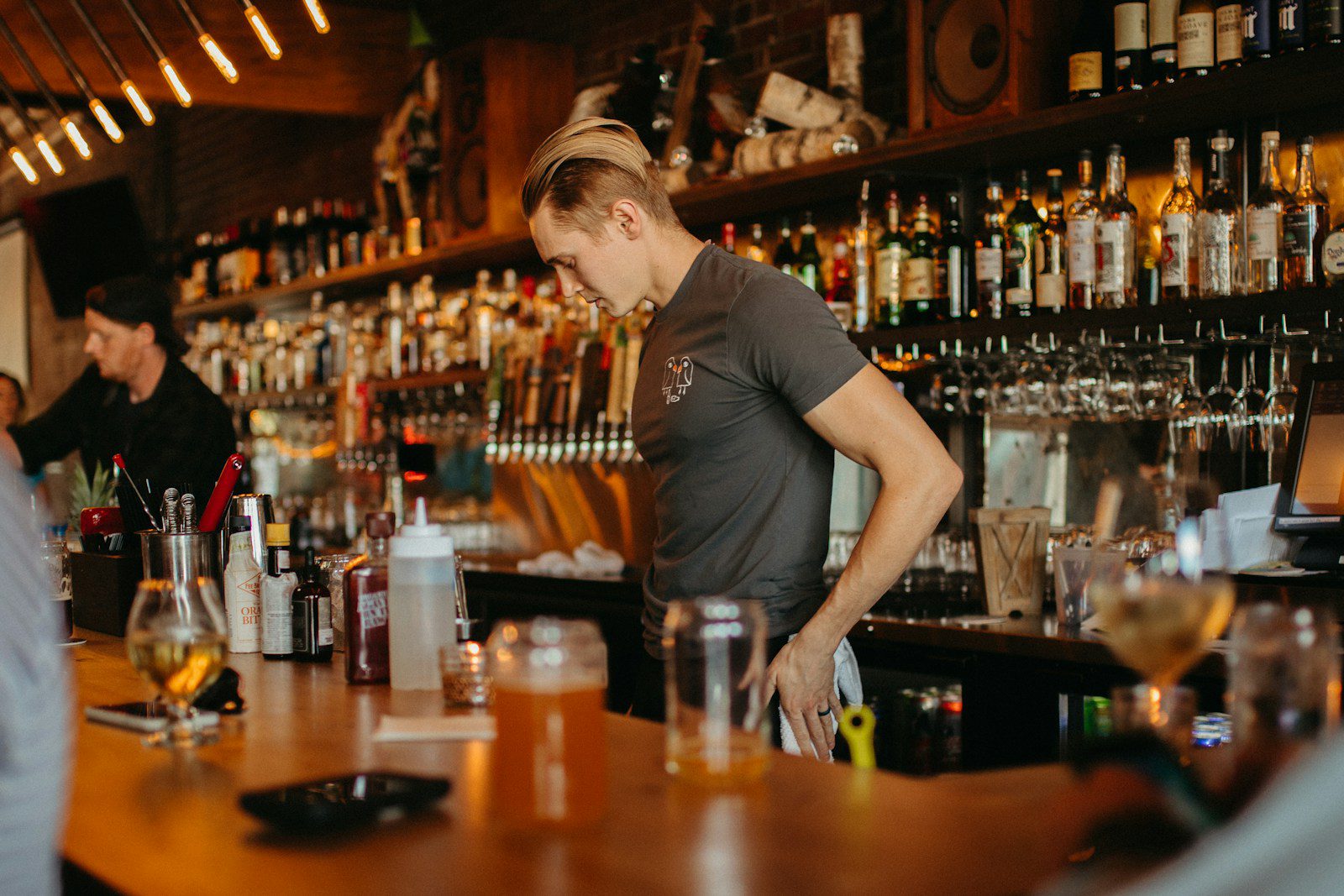
Service workers get used to swallowing rude comments, but one Denver bartender turned a nasty encounter into a small financial earthquake. By leaning into reverse psychology instead of confrontation, she walked away from a single night of work with tips that added up to a few months of rent and left the customers thinking they had gotten the last word.
The story has traveled far because it hits a nerve: a worker named Mar, tired of disrespect, flipped the script without raising her voice. Her quiet stunt captured how much power sits on the customer side of the bar, and how a little creativity can briefly rebalance that dynamic in favor of the person holding the shaker.

How a petty move turned into months of rent
The setup started like a lot of bad bar shifts. Mar was working at a Denver spot when a group of customers decided they did not like her, and instead of just asking for someone else, they turned it into a performance. According to the account she later shared, they complained about her service, made snide remarks and then demanded that another bartender take over their tab so they would not have to tip her personally. The request was meant as punishment, a way to make sure their money skipped the worker they had decided to target.
She could have argued with them or called a manager, but Mar chose something more subtle. She agreed to the switch and quietly arranged the tab so that every tip the group added would still route back to her. The other bartender ran the orders, the group believed they had iced her out, and Mar kept working the rest of the bar. When the receipts printed, the customers loaded on gratuity to prove a point about how much they were willing to give anyone but her. By the end of the night, the tips tied to that table alone stacked up to what she described as a few months of her Denver rent, a windfall she later detailed in a viral post that was recapped in a piece on a Denver bartender.
The psychology of spite spending at the bar
What made the trick work was not just a clever POS shuffle, it was a sharp read on how people behave when they are trying to prove a point with money. The customers wanted to feel generous and vindictive at the same time, so they leaned into what psychologists sometimes call spite spending, paying extra as a way to send a message. Mar did not fight that urge; she simply redirected where the cash landed. By saying yes to their demand and stepping aside, she made it easy for them to escalate the performance with bigger tips while staying convinced they were snubbing her.
That is classic reverse psychology: instead of blocking someone from doing what they want, the target of the hostility appears to cooperate, which lowers the other side’s guard. In this case, the group believed they had forced the bar to accommodate them, so they likely felt entitled to go big on gratuity to underline how magnanimous they were to the replacement bartender. The detail that those tips ultimately covered multiple rent payments in 2026, as highlighted in a breakdown of the monthly rent payment, shows just how far that performance went once they started signing receipts.
Why the story resonated with service workers
For a lot of bartenders and servers, Mar’s story landed less as a quirky anecdote and more as wish fulfillment. Tipped workers live with a constant imbalance, where income depends on people who might be drunk, stressed or simply looking for someone to talk down to. Hearing that a colleague in Denver turned that power imbalance into a quiet victory, and did it without breaking any rules or escalating the conflict, felt like a small corrective. It suggested that sometimes the best revenge is not a confrontation at the bar top, but a well-timed yes that lets rude customers hoist themselves with their own pettiness.
The reaction also speaks to how precarious service work remains. When a single table’s spiteful generosity can cover a few months of rent, it highlights how thin the margin usually is for someone like Mar, and how much emotional labor sits behind every cocktail. Her reverse psychology trick did not fix that system, and it will not work for every worker in every bar, but it gave people in the industry a rare story where the person in the apron walked away with both the money and the last laugh, while the customers never realized they had tipped her all along.
More from Decluttering Mom: