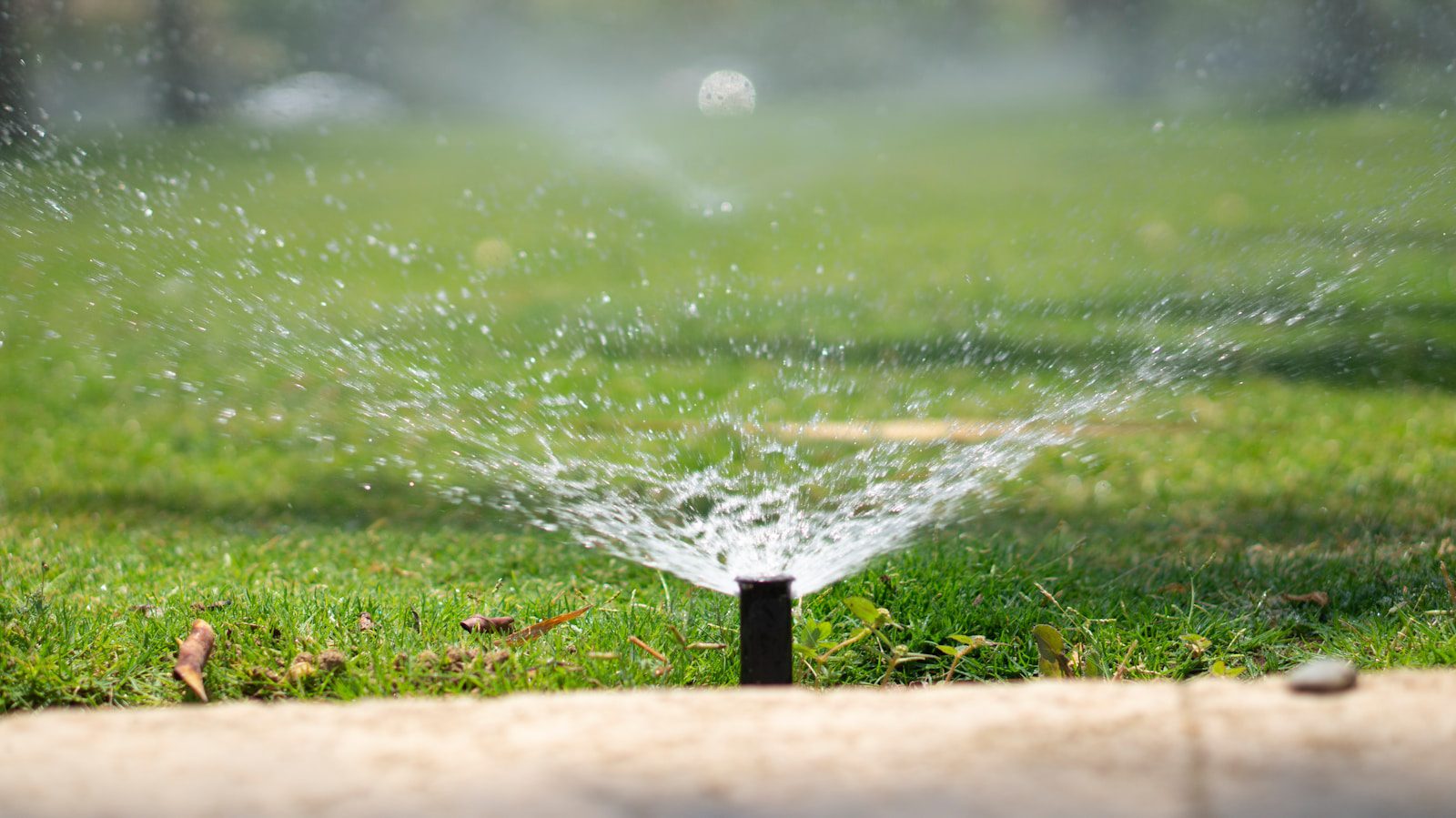
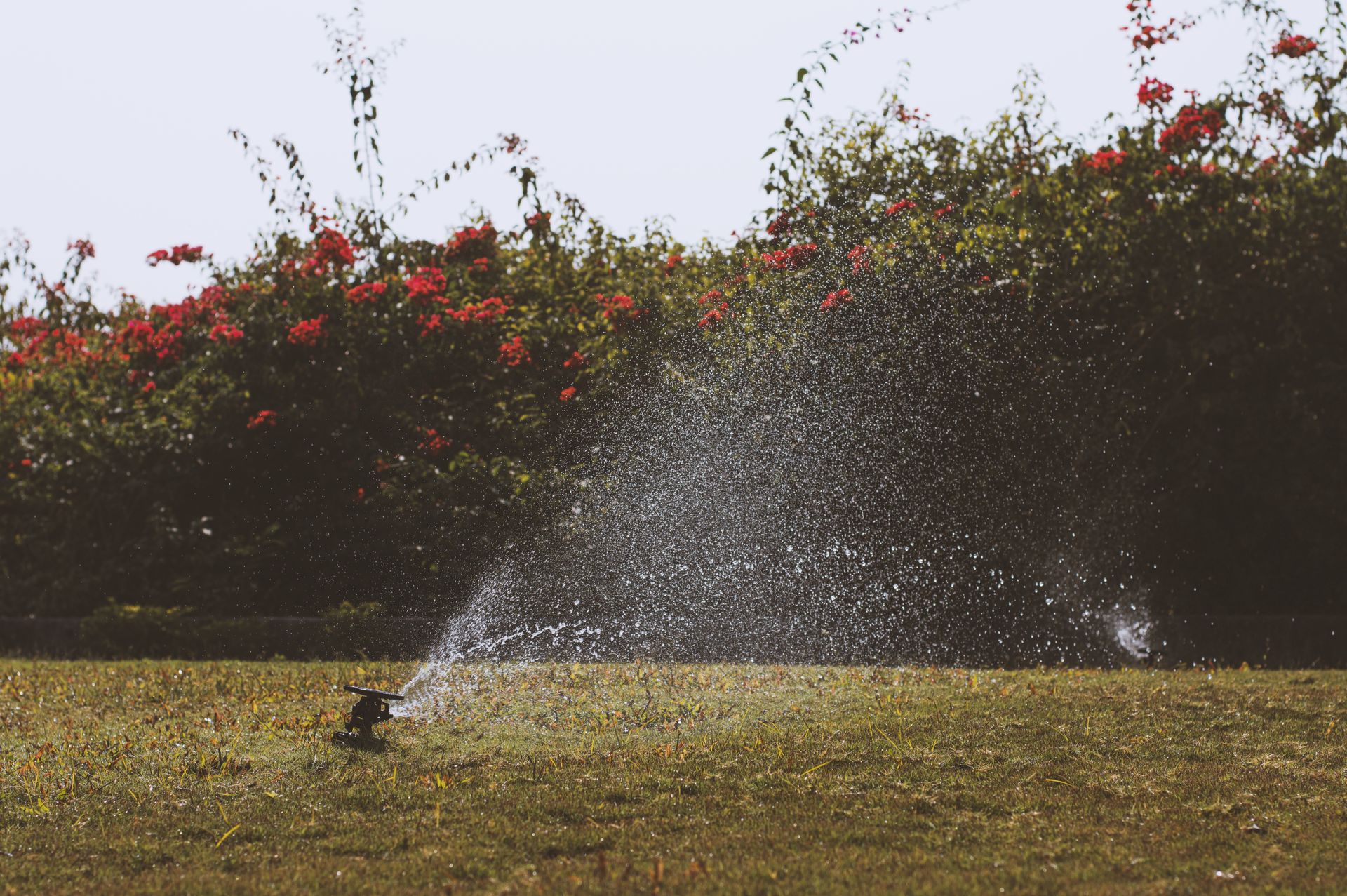
Denver Water’s board has approved an indefinite ban on lawn-irrigation sprinklers starting October 1, 2026, a hard cutoff affecting roughly 1.5 million customers after the metro area recorded its hottest year on record and reservoirs fell to 72% capacity. Water officials say the decision, reported by the Colorado Sun, is a warning sign every homeowner in a drought-prone region should be watching closely.
Key Points
- The sprinkler ban takes effect October 1 and will remain in place through at least spring 2027, with next summer’s rules depending on how much snow falls this winter.
- Spring and early-summer runoff into Denver’s key reservoirs reached only 22% of the long-term average, following a record-low snowpack over the 2025-26 winter.
- Storage reservoirs are sitting at 72% capacity, well below the 90%-plus levels typically seen at this point in the year.
- Customers cut water use by just 7% this summer despite Denver Water’s call for a 20% reduction.
Why Denver Water Acted
Denver Water Chief Alan Salazar said in a statement that customers had reduced water use “despite the blistering conditions,” but that the shortfall in precipitation left the utility no choice. “With a lack of precipitation and the hottest first seven months in the Denver region we’ve recorded, we must take this additional step,” Salazar said. The 2026 heat wave compounded an already thin snowpack, leaving less runoff to refill reservoirs that supply the metro area through the winter and into next year’s growing season.
What Homeowners Can Still Do
- Trees, shrubs and perennials can still be watered by hand-held hose or drip irrigation any day of the week.
- Vegetables and annual flowers can be hand-watered until the first hard frost arrives.
- Customers using recycled water may continue irrigating daily under existing rules.
- Parks, school athletic fields and other active-use turf need an approved variance to keep watering after September 30.
What Consumers Should Do
Denver Water says it will issue warnings and fines to customers caught running sprinkler systems after October 1, so homeowners should shut down and drain irrigation systems before the deadline rather than risk a citation. Anyone unsure whether their landscaping qualifies for a hand-watering exception should check Denver Water’s customer guidance before the ban takes effect.
The move lands as a bellwether for other Western utilities watching the same trend lines: less snowpack, hotter summers and reservoirs that don’t refill the way they used to. Denver’s restrictions are among the most aggressive announced this year, and officials have been blunt that voluntary conservation alone isn’t closing the gap.