A Depop seller thought she was doing the right thing when she agreed to take back a $125 jacket from an unhappy buyer. Instead of the pricey outerwear, the box that arrived held a completely different item, and the experience left her warning other sellers about a buyer who went by the name “Gabby.” Her story has tapped into a growing anxiety among resellers who rely on peer-to-peer trust but are suddenly finding out how fragile that trust can be when returns get weaponized.
The $125 jacket is not an isolated headache. Across Depop, stories of buyers sending back the wrong item or trying to game the refund system are starting to sound uncomfortably familiar. The details change from case to case, but the pattern is the same: once a seller hits “refund,” their leverage is gone, and they are often stuck fighting to prove that what came back in the box is not what they shipped out.
The $125 jacket that never came home
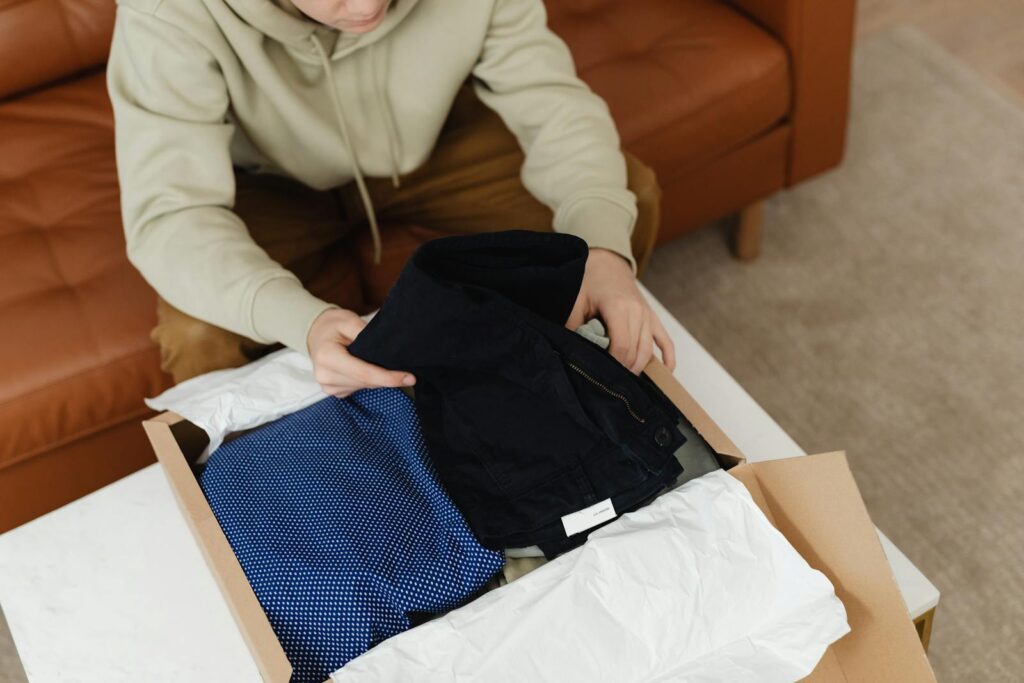
In the post that sparked fresh concern, a seller described how a buyer named “Gabby” opened a return for a $125 jacket, then allegedly mailed back something else entirely. The seller said she had shipped the correct jacket, only to receive a different garment when the package boomeranged back, which she laid out in a detailed thread on r/Depop. The dollar amount matters here, because $125 is not pocket change on a resale app; it is the kind of price that usually reflects a branded coat or a rare piece that took time to source, photograph, and ship.
Other Depop users quickly recognized the dynamic and treated “Gabby” as shorthand for a certain kind of buyer who seems friendly until the transaction goes sideways. One commenter framed it bluntly, arguing that a buyer who sends back a different item is not confused or careless but actively trying to flip the script and walk away with both the refund and the original piece. For the seller, that means losing the $125 jacket, losing the payout, and then having to persuade Depop support that the wrong item in their hands is evidence of a scam rather than a mix-up.
When returns become a scam playbook
Veteran sellers were not surprised by the jacket saga, because they had already watched similar tricks unfold in other threads. In one earlier exchange, users rallied around a seller who suspected a buyer was gaming the system by opening a package, swapping out the contents, and then pushing hard for a refund while holding onto the original item. The advice in that thread was blunt: one commenter, identified as Aug, warned that once a seller opens a returned parcel they may be stuck paying another $15 or more out of pocket to ship it back if they want to contest what is inside, and argued that “They” were likely trying to scam from the beginning, urging the seller, “Do not refund unless you actually get the item,” and repeating that this person was a scammer in all caps on another r/Depop post. That kind of language reflects how personal these disputes feel when the seller is staring at a box that does not match their shipping photos.
Community members also push each other to document everything and escalate quickly. In a follow-up comment tied to the jacket case, one user urged the seller to gather receipts and tracking and to tell Depop that they were prepared to open a mail fraud claim with USPS, asking directly, “Do you have your USPS receipt?” and describing how a previous buyer had eventually sent their shoes back only after facing pressure, as laid out in a focused reply within the same discussion. That mix of postal documentation and platform messaging has become the unofficial playbook for sellers trying to prove that a return has been tampered with.
Red flags, receipts, and how sellers are fighting back
Depop regulars have also started calling out repeat patterns so that newer sellers can spot trouble earlier. In one thread about a buyer who sent back the wrong item, a commenter opened with “Not me, thank goodness bc I would be furious!” before calling the buyer “a full-on scammer” who should be kicked off Depop, punctuating the point with “PERIOD!” and then asking, “Did you tell Depop…” as they pushed the original poster to report what happened on that r/Depop thread. The emotional tone is raw, but beneath it sits a clear tactic: document the switch, file a ticket with the platform, and do not quietly absorb the loss. Sellers are learning to treat every return like a potential dispute, snapping photos and video of unboxings so they have proof of what came back.
More from Decluttering Mom: