Tonight, put one empty hanger in the most visible spot in your closet. Do not hang anything on it. That is the advice from a designer at EverGrace Style, a channel that talks about clothes, proportion, fabric and the quiet details that make a woman look beautifully put together. The empty hanger is there to ask a question most women never ask about their clothes: does everything in here still deserve to represent the woman I am today?
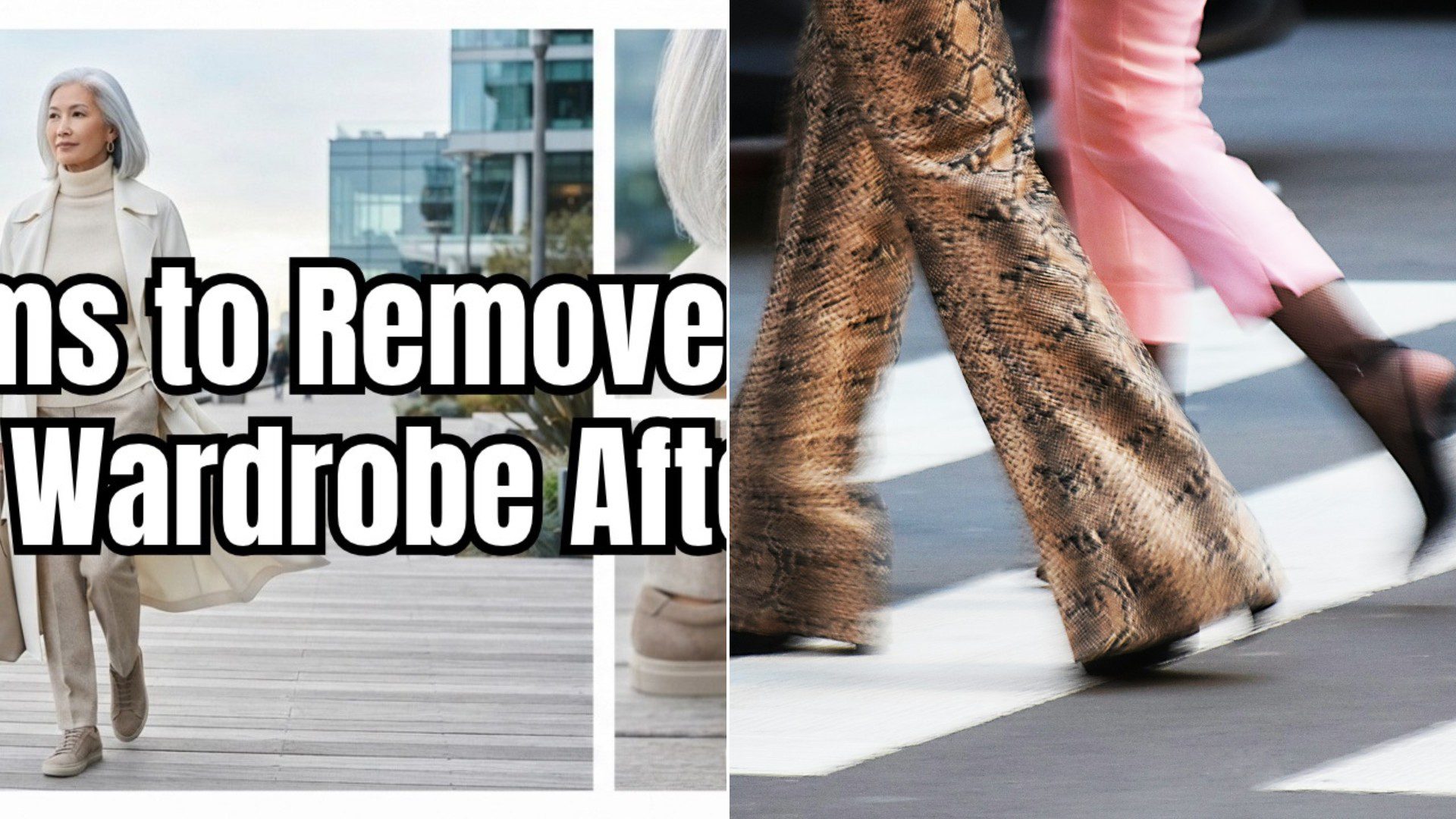
A crowded wardrobe is not always a useful wardrobe, the designer says, and after 60 that matters even more. Bodies change, lifestyles change and standards change, yet pieces often survive on habit, guilt, nostalgia or price. The designer is clear that nobody is too old to wear anything. There is no dressing by expiration date, only the idea that clothes should earn their place. Here are the nine pieces the designer puts through an audition.
The Long, Limp Cardigan
It is comfortable, covers the arms and keeps you warm in a restaurant, but a designer does not judge a garment on the hanger. When a cardigan is very thin, has no shoulder definition and hangs around the widest part of the hip, it pulls the whole silhouette downward. Add it to straight dark trousers and an ivory top, and the waist disappears and the legs look shorter.
After 60, the designer says, you do not need tighter clothes, you need clearer architecture. Look for a cardigan with some substance in the knit, a defined shoulder and a hem that finishes deliberately. Try this test: put it on, stand about 10 feet from a mirror, and look only at the outline.
The Oversized Tunic
Women reach for a long, loose tunic because it skims the stomach and hips and nothing feels tight. Comfort is valuable, the designer says, but camouflage has a price. When a tunic is too long, too wide and paired with equally loose trousers, the shoulders vanish, the legs look shorter, and the eye sees one large block of fabric.
Your body was never the styling mistake, the designer says. Trying to erase it was. Choose a softly structured blouse or a fine-gauge knit with a shoulder seam that meets your shoulder, and pair it with straight or gently tapered trousers. Before lunch out, photograph the loose top and a cleaner one, and ask which woman looks more present, not which looks thinner.
Trousers That Pool At The Ankle
The last three inches of your trousers can decide whether an outfit looks tailored or tired. Too much fabric gathers at the ankle, one fold becomes two, and a good pair looks as though it belongs to someone taller. Picture two women in nearly identical outfits of navy trousers, a soft blue shirt and loafers. On one, the hem falls cleanly; on the other, several inches collapse around the ankle.
Here is the surprise: the designer would spend money on a tailor before spending on another pair of pants. A $70 pair of properly altered trousers can look more sophisticated than a $400 pair collapsing over the wrong shoes. Pin the hem an inch higher, then two, and you may find the trousers were never wrong, just unfinished. Perhaps what needs to leave is two inches of fabric.
The Beautifully Preserved Blouse
Some of the hardest clothes to remove are not worn out. They are beautifully preserved. You bought the blouse years ago for dinners, church or holidays, kept it spotless, and so it survives every closet clean. The designer asks a different question: is there anything still right about it?
A shiny finish, a busy floral print and a decorative neckline can compete for attention until the eye sees the blouse instead of you. When editing, do not ask whether it is still good, because that question rewards survival. Ask whether you would choose it again if you saw it in a store today. A matte ivory blouse with good drape lets your face become the most important part of the outfit.
Shoes That Make You Choose
After 60, feet may need more cushioning, stability, a wider toe box and lower heels. Those are requirements, not fashion failures. The trouble is that women often get a terrible choice: wear the elegant shoe that hurts, or the comfortable shoe that looks as though elegance never joined the conversation. The designer rejects that choice.
A bulky shoe with a thick sole and too many seams pulls the eye straight to the floor, while a supportive leather loafer, refined sneaker, elegant flat or low block heel can finish the outfit. Never buy a painful shoe because someone said suffering looks sophisticated. Do not remove everything practical, just the pairs that make you choose between looking like yourself and caring for yourself.
A Handbag That Has Lost Its Shape
A handbag can take up almost as much visual space as a jacket, yet we judge it by whether it still holds our things. Peeling corners, sagging bodies and handles that have lost their shape make an outfit look less expensive than it is. So can too much shiny hardware, large logos, tassels and buckles competing on one small piece of leather.
Your bag does not need to look expensive, the designer says, only intentional. Set it on a chair, forget the label and the price, and ask whether you would pick it up in a store today. Look for a medium bag with a clean shape and restrained hardware. Construction matters more than a famous logo.
Clothes From A Smaller, Younger Version Of You
Some garments have become measuring devices, like a jacket or trousers from 15 years ago that you try on just to see. The designer is careful here, because bodies change for many reasons and no woman owes the world the body she had at 40. A memory is fine to keep, but it should not become a standard your present body is forced to fail.
If a piece carries real meaning, keep it as a keepsake outside your working wardrobe. Your everyday closet should serve the body getting dressed this morning, with jackets that close without pulling and blouses that skim rather than punish. Alter what can be altered and release what cannot. When clothes fit, you stop negotiating with the mirror.
The Outfit You Wear On Autopilot
The eighth item may be the outfit you are wearing right now. Not because it looks bad, but because you stopped seeing it. The same loose black pants, oversized top and comfortable shoes serve for groceries, appointments and coffee until they become a uniform you no longer choose. A signature style says this is me, while autopilot says this will do.
With fewer occasions dictating how to dress, freedom can slide into indifference. The suggestion is to change one decision for a week. Keep the comfortable pants but add a fine-gauge knit, wear the earrings sitting in your drawer, or use the scarf you are saving for an occasion. If your favorite simple outfit still makes you feel like yourself, it has passed the audition.
The Expensive Piece You Keep For The Price
The final item is the hardest because of one powerful number: the price you paid. A designer blazer with shoulders that never sat right, shoes that hurt before dinner arrives, or a dress bought for a glamorous life you do not live all stay because removing them feels irresponsible. Imagine a $500 blazer beside a $90 jacket that was altered properly. Which one is more valuable, the one you actually wear?
Price can buy fine fabric and craftsmanship, but it cannot correct the wrong proportion, and guilt cannot turn a bad purchase into a good outfit. The money is already gone, so do not let the mistake charge you rent in your closet. Ask whether it fits your body now, fits your life now, and whether you would be excited to wear it next week. If you hear three no answers, sell it, give it away or donate it.
More Stories You May Like
- Mom Deep Cleans the House She Already Knows She Will Not Get to Keep After Her Divorce and Explains Why She Is Choosing a Fresh Start for Her Kids
- Thrift Flipper Paid Forty Dollars For An Italian Leather Couch At Goodwill And Says One Hour Of Work Means Five Hundred Sixty Dollars In Profit
- Professional Organizer With ADHD Tells Overwhelmed Moms To Set A Fifteen Minute Timer And Only Pick Up Trash Off One Living Room Floor