One receptionist at a behavioral healthcare agency got an unexpected response when she stopped chatting with her colleagues. After a directive from the director to limit her interactions, she suddenly found herself under a cloud of concern from her coworkers. What was initially meant to boost productivity spiraled into a situation where her silence raised red flags among the therapists.
In a typical workday, this receptionist was known for her cheerful demeanor, often taking time to greet coworkers and share light conversations. Colleagues appreciated her friendly spirit, and many expressed their enjoyment of her upbeat attitude. However, a change occurred when her director one month decided that the friendly interactions were getting out of hand. Instead of fostering a supportive environment, the director viewed these chats as distractions that disrupted workflow.
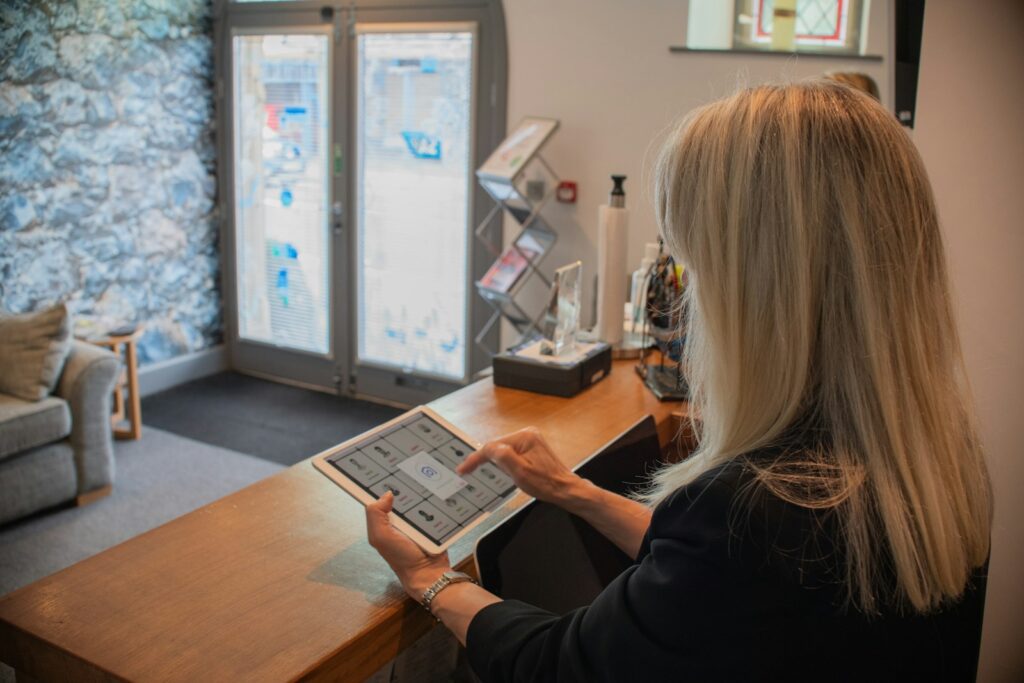
The director’s advice was clear: keep the conversations to a minimum. Following her guidance, the receptionist made a noticeable shift. She still smiled and greeted everyone but quickly returned to her desk after delivering assignments. As the days went by, her coworkers began to notice something was off. Initially meant to streamline productivity, her new silence prompted concern rather than relief.
As weeks passed, therapists started approaching her desk, asking if everything was okay. They perceived her change in behavior as a sign that she might be experiencing some form of depression. Despite her reassurances that she was fine and just following the director’s orders, the therapists remained worried. Their genuine concern was a testament to the rapport she had built with them, which made her sudden distance even more troubling.
During a meeting with the director, the receptionist explained that she was indeed completing her tasks efficiently and managing her time well. However, upon hearing about the therapists’ concerns regarding her well-being, the director seemed taken aback. She suggested that the receptionist could maybe allow for a few more minutes of conversation. The irony of the situation didn’t go unnoticed: a request intended to curb socializing inadvertently made everyone more anxious.
People had very different reactions to this unfolding story. Some thought it was absurd that a friendly work environment could be stifled in the name of productivity, while others pointed out that the director was right in seeking to maintain focus in a busy office. The balance between being friendly and professional can often be tricky, and this was a prime example of that struggle.
Others highlighted that the intent behind the director’s request likely stemmed from a desire to keep everyone on track, but it backfired spectacularly. Instead of creating a more efficient workplace, the restriction led to unintended consequences, such as the very real concern for a colleague’s mental health. It raises the question of how workplace dynamics can change so quickly based on leadership perceptions and orders.
This incident reveals the nuanced nature of social interactions in a professional setting. The receptionist, who had been seen as a source of positivity, suddenly found herself isolated by a well-meaning directive. It’s a curious case of miscommunication and the complexity of human relationships in the workplace.
As the conversation around this scenario continues, it leaves observers wondering: how can organizations effectively manage workplace culture while still respecting individual personalities? What’s the right balance between being friendly and maintaining professionalism? These are questions that might linger long after the initial discussion has ended.
More from Decluttering Mom: