You expect spotless plates when the dishwasher finishes, but if dishes still look cloudy or speckled you’re probably following a few common habits that sabotage cleaning. Clean filters, correct loading, proper detergent and hot water all matter — fix these and your dishes will come out clean consistently.
You’ll learn which small shortcuts cause the biggest problems and simple steps you can take right now to stop re-washing. Keep reading to discover easy habits that make a noticeable difference every wash.
Common Mistakes That Cause Dirty Dishes
Small loading errors, blocked spray paths, a greasy filter, and food left on plates are the most common reasons your dishwasher leaves dishes dirty. Fixing these four habits usually restores cleaning performance without repairs or special cleaners.
Improper Loading Techniques
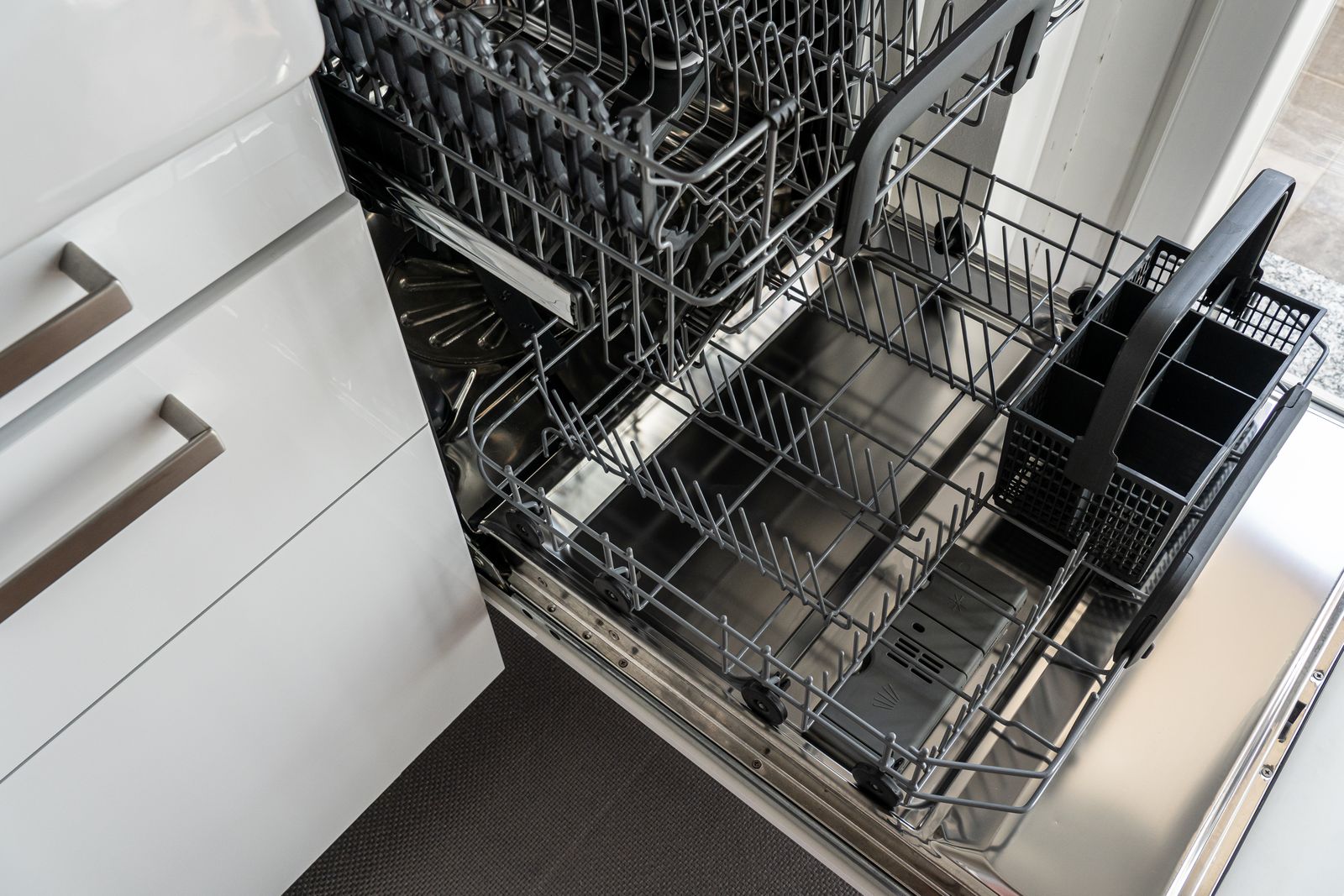
If you stack plates, nest bowls, or crowd utensils, water and detergent can’t reach all surfaces. Load plates in a single row facing the center, place bowls at a slight angle, and keep cups on the top rack between tines so spray reaches inside.
Large items like cutting boards and pans should go along the sides or back so they don’t block spray arms. Face heavily soiled items downward and toward the spray jets. Avoid placing small plastic containers on the bottom rack where they can flip over and trap water.
Use the utensil basket correctly: mix forks, spoons, and knives to prevent nesting, and alternate handles-up and handles-down for better cleaning and safety. Follow your manual’s rack layout for optimal results.
Ignoring Clogged Spray Arms
Spray arms spin to distribute water; blocked holes reduce pressure and leave residue. Inspect the rotating arms monthly: remove them if your model allows and clear holes with a toothpick or a thin wire.
Hard water, food particles, and broken glass can lodge in the nozzles and prevent full rotation. If arms don’t spin freely, check for obstructions under the lower rack and clean debris from the mounting area.
Run an empty cycle with a cup of white vinegar or a dishwasher cleaner once a month to dissolve mineral buildup that narrows spray holes. Replace cracked or warped spray arms — damaged arms won’t spray evenly and cause dishes to come out dirty.
Neglecting Regular Filter Cleaning
A clogged filter recirculates dirty water, causing cloudy, greasy, or spotted dishes. Locate your dishwasher’s filter (usually at the bottom) and remove trapped food, coffee grounds, and grease at least every two weeks if you run the machine daily.
Rinse the filter under hot water and scrub with a soft brush to dislodge oil and scale. Don’t run the dishwasher with the filter removed; it protects the pump and prevents large debris from clogging internal parts.
If your model has a self-cleaning filter, still check for blockages in the filter housing and sump. A consistently dirty filter often indicates overloaded loads or insufficient scraping before wash cycles.
Skipping Pre-Rinsing and Scraping
Large food chunks and bones can block filters and spray arms, leading to dishes coming out dirty. Scrape plates into the trash or garbage disposal before loading, especially with dense residues like rice, eggs, or pasta.
Avoid excessive pre-rinsing under running water; modern detergents need some food particles to work and rinsing wastes water. Instead, scrape and rinse only when residue is very sticky or dried-on.
For older dishwashers, or if you notice persistent food residue, a light rinse can help. Otherwise, aim to remove solids while leaving small soil that the dishwasher detergent can break down effectively.
Relevant reading on loading and filter care can help you troubleshoot specific models and symptoms, including why your dishes still come out dirty. For guidance on proper loading that reduces spotting and blockage, see this detailed advice on common loading mistakes.
Key Steps to Achieve Sparkling Results
Follow a few practical habits that directly affect how your dishes come out: use the right detergent in the dispenser, load so water and spray arms reach every surface, and confirm your water is hot enough and not too hard.
Choosing the Right Dishwasher Detergent
Pick a detergent formulated for your water type and soil level. In hard-water areas, choose a detergent with built-in water softening or add a rinse aid; this reduces mineral spotting and helps your dishes look sparkling. Powder, gel, and pod forms perform differently—pods are convenient but must sit in the detergent cup to release at the correct cycle stage.
Always use the machine’s detergent compartment rather than tossing a pod into the tub. That ensures detergent releases during the main wash, not the prewash. Match detergent strength to soil: heavy pots need a higher-performing formula or a heavy/boosted cycle.
Best Practices for Loading and Routine Maintenance
Load so all items face the spray and don’t block the spray arms. Plates should face the center; cups and bowls sit face-down on the top rack. Stagger utensils to avoid nesting and place sharp knives horizontally or handle-up in a basket. Avoid overcrowding; poor circulation makes dishes come out dirty.
Check and clean the filter monthly and remove visible debris from the bottom and door gasket before runs. Run an empty cycle with a dishwasher cleaner or a cup of white vinegar on the top rack every 4–6 weeks to clear grease, odors, and buildup that reduce cleaning performance. Wipe spray-arm holes free of gunk so jets stay strong.
Checking Water Temperature and Hardness
Set your water heater to deliver at least 120°F (49°C) at the faucet before starting a cycle; hot initial fills improve detergent activation and dissolve grease. Run the hot tap briefly at the sink nearest the dishwasher before you start the machine to ensure the first fill is hot.
Test water hardness with a strip or kit and adjust detergent or install a softener if you have hard water. Hard water causes cloudy glassware and spotting; a softener or salt (if your dishwasher supports it) restores clarity. If you’re unsure what to buy, check products recommended for hard water to prevent your dishes from coming out dirty.
- Quick checklist:
- Water temp ≥ 120°F before starting
- Use hard-water detergent or softener when needed
- Preheat water at sink before cycle start