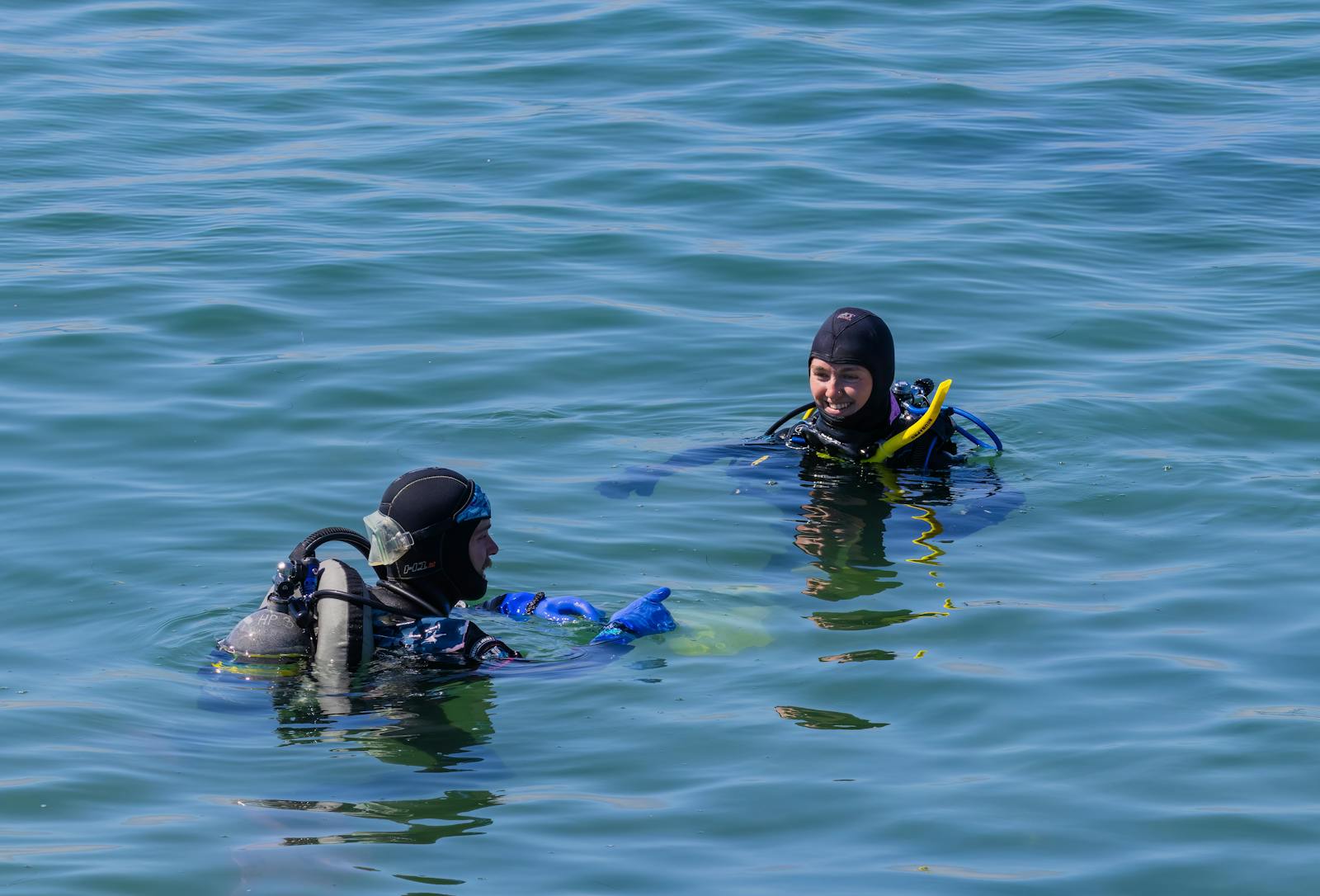
You step into a story that asks whether a single avoidable choice can change everything. A Texas scuba instructor told investigators he had stayed awake for nearly 29 hours before a training dive where a 12‑year‑old, Dylan Harrison, drowned. That admission raises immediate questions about supervision, safety checks, and how exhaustion may have contributed to a preventable tragedy.
The post will walk through what happened at The Scuba Ranch, examine how sleep deprivation impairs judgment in high‑risk training, and look at oversight gaps that can leave students vulnerable. Expect clear, factual reporting and practical takeaways you can use to judge training practices and demand better safeguards.
What Happened at The Scuba Ranch
The incident occurred during a supervised training session at an inland dive site. A 12-year-old student went missing during a descent and was later found submerged; questions about staffing, sleep, and emergency response followed.
Timeline of Events Leading to the Incident
On August 16, 2025, a certification session took place at The Scuba Ranch in Kaufman County. Dylan Harrison, 12, entered the water with a group of students and at least two staff members present for the drill.
Witnesses reported Dylan began a descent to a 5-meter training platform and failed to resurface. Bystanders and instructors then initiated a search; her body was later recovered at about 13 meters depth, away from the platform. Local law enforcement and emergency responders arrived after the recovery.
The Collin County Sheriff’s Office and other agencies opened inquiries into the sequence of events, equipment logs, and staff actions during the session. Media outlets, including a Fox 4 News report, covered the developing timeline as investigators collected statements.
Role of William Armstrong and Class Supervision
William Armstrong, an instructor attached to the session, admitted to investigators he had been awake for nearly 29 hours before the incident. He faced immediate administrative suspension by The Scuba Ranch and their partners pending investigation.
Records and witness accounts describe multiple instructors and a divemaster associated with the training. Questions center on instructor-to-student ratio, direct supervision during the descent, and whether standard safety checks were followed. The Scuba Ranch imposed a permanent suspension on Armstrong while the dive shop paused training operations.
Investigators examined logbooks, testimony, and training procedures to assess whether supervision met industry norms for youth students. The nature of the oversight—who monitored Dylan’s descent and who performed in-water checks—remains central to inquiries by law enforcement and regulatory bodies.
Details on Dylan Harrison’s Drowning
Dylan Harrison was participating in a routine certification exercise at an inland training lake when she did not return from a descent. Divers later found her body at roughly 13 meters (about 42 feet), deeper than the 5-meter training platform she had aimed for.
Divers and investigators noted the location where she was recovered did not match her intended stopping point. Reports indicated dive computer data that might have clarified her depth and movements were unavailable or “lost,” complicating reconstruction of what physically happened underwater.
Family statements and press coverage emphasized the tragic nature of a child drowning during a supervised lesson. Authorities examined equipment function, student training level, and whether any entanglement, medical event, or equipment failure contributed to the drowning.
Immediate Aftermath and Emergency Response
After Dylan failed to resurface, staff and other divers conducted an immediate search and recovered her body underwater. Emergency medical services and law enforcement responded to the scene; attempts at resuscitation were unsuccessful.
The Collin County Sheriff’s Office and Kaufman County authorities coordinated initial investigative steps. The Scuba Ranch released statements and suspended involved staff while the investigation continued. Local outlets and diving publications reported the facility had halted training and imposed administrative actions against instructors implicated in the incident.
Public attention prompted scrutiny of training practices at inland dive sites, and investigators requested any available dive computer and video evidence to clarify the timeline. Arrest records show Armstrong was taken into custody after investigators cited his admission about extended wakefulness during the period preceding the dive.
Sleep Deprivation and Its Risks in Training Environments
Sleep loss reduces vigilance, slows reaction time, and worsens decision-making. It also raises daytime sleepiness and stress hormones, which together increase the chance of errors, microsleeps, and physical injury during training.
How Sleep Deprivation Affects Alertness and Judgment
When someone has gone 24+ hours without sleep, their reaction time can match or exceed legal intoxication levels. They show slower information processing, poorer situational awareness, and reduced ability to integrate new sensory input—critical during close supervision of learners.
Decision-making degrades: complex choices become shortcuts, risk assessment narrows, and impulse control weakens. That raises the chance an instructor will miss a subtle change in a trainee’s breathing, posture, or equipment fit.
Sleep loss also elevates cortisol and perceived effort, which can bias an instructor toward hurried actions or resignation rather than careful intervention. Those physiological changes tie directly to both mental health strain and immediate safety performance.
Potential for Microsleeps During Critical Situations
Microsleeps are involuntary episodes of sleep lasting a fraction of a second to several seconds. They can occur without warning when someone is acutely sleep deprived.
In high-risk training—diving, firearms, driving—those seconds of loss of awareness can eliminate the margin for corrective action. An instructor experiencing microsleeps may stare blankly, miss commands, or fail to detect a trainee’s distress.
Microsleeps are more likely under monotony or late-hour conditions, and they correlate with daytime sleepiness scores. Monitoring fatigue signs and assigning safety observers or rotating duties reduce the chance that one person’s brief lapse becomes a fatal event.
Connection to Training Injuries and Accidents
Evidence links poor sleep to higher rates of musculoskeletal injury, slowed physical recovery, and impaired motor control. Fatigued supervisors also miss environmental hazards and procedural errors that would otherwise be caught.
Instructors operating on little sleep increase risk in two ways: degraded oversight and delayed emergency response. Both raise the probability of accidents during repetitive drills, complex skills training, or emergency simulations.
Simple mitigations—mandatory rest windows, fatigue reporting, secondary safety observers, and pre-session screening—reduce risk. Training programs that treat sleep as a safety factor, not an optional perk, lower the chance of preventable injuries and protect mental health by reducing chronic sleep disruption.
Scuba Training Safety and Oversight Concerns
Training environments must ensure instructors are alert, students are correctly weighted, and shore or boat crews can launch immediate rescues when needed. Clear roles, equipment checks, and documented oversight reduce risks in supervised training sessions.
Buoyancy Issues and Importance of Proper Weighting
Improper weighting directly affects a diver’s buoyancy control and ascent rate. A student who is over-weighted can sink faster than intended and struggle to resurface, while under-weighting can prevent descent and mask lack of skill. Training agencies such as Scuba Diving International emphasize repeated, hands-on practice of weighting and trim in confined-water sessions so students learn neutral and horizontal buoyancy early.
Dive watches and depth data often reveal whether a diver descended too quickly or stayed at depth too long; investigators use those records to reconstruct events. Instructors must verify weight systems before water entry and observe each student’s buoyancy behavior during initial descents rather than relying solely on classroom checks.
Instructor Certification and Accountability
Certification alone does not guarantee safe conduct; fatigue, outside employment, and stress can impair performance. Agencies set qualification standards, but local accountability—through dive shop policies or municipal employers—must enforce limits on consecutive work hours and instructor-to-student ratios.
Records of instructor credentials and recent continuing-education renewals should be kept on file and available to site managers. When an instructor also holds a public-safety role, such as with the Collin County Sheriff’s Office, organizations should clarify secondary-employment expectations and investigate potential conflicts that could affect duty performance.
Safety Protocols in Group Water Activities
Effective group training requires defined observer roles, emergency gear staged on the dock, and an established look-out system. A single instructor supervising eight students at depth creates monitoring blind spots unless additional safety observers or surface support personnel are present.
Practical measures include: checklists for pre-dive equipment, a designated safety observer on the dock with rescue gear, and scheduled headcounts during the session. Training operations should align with recognized guidance from bodies like Divers Alert Network (DAN) and Scuba Diving International to set realistic instructor-student ratios for confined-water exercises.
Investigations and Institutional Responses
When an incident occurs, investigators reconstruct timelines using dive watches, witness statements, and facility logs. Law enforcement and regulatory reviews examine whether protocols were followed, if staffing levels met agency limits, and whether fatigue or impairment played a role.
Facilities and agencies often respond by suspending instructors pending review, updating supervision policies, or requiring remedial training. Public agencies and industry groups—ranging from local sheriff’s offices to organizations like the Naval Safety Center—may issue advisories or launch formal probes to identify systemic fixes and prevent repeat events.
Broader Lessons from High-Risk Water Training
Training programs that push physical limits require strict supervision, clear emergency plans, and limits on instructor and trainee fatigue. Small errors in judgment, improper weighting, or unattended students can become fatal quickly in confined training waters.
SEAL Training Accidents and Pool Blackouts
SEAL training, including BUD/S (Basic Underwater Demolition/SEALs) courses at Coronado, exposes candidates to repeated breath-hold and immersion stressors that have led to documented pool blackouts and deaths. Incidents often involve shallow water blackout or swimming-induced pulmonary edema during intense breath-hold drills, surf passage, or pool competency exercises.
Naval special warfare training centers run repetitive tasks — buddy carries, 200-pound log runs, knot-tying under stress — that increase hypoxia risk when candidates hyperventilate before dives. Medical examiners and investigations by the Naval Criminal Investigative Service have sometimes linked training hazing, inadequate monitoring, or poor emergency response to fatalities.
Programs now emphasize continuous surface supervision, mandatory buddy checks, and limiting static apnea depth/time during pool work to reduce blackout incidents.
Comparing Civilian and Military Aquatic Safety
Military programs train for combat conditions and accept higher risk levels, but civilian dive schools and swim programs still face similar hazards during breath-hold and open-water training. Civilian instructors must manage student-to-instructor ratios, buoyancy/weighting checks, and clear rescue procedures—failures that have contributed to local dive training deaths.
Unlike military units with medical teams and rapid extraction protocols, civilian training sites often rely on local EMS and swim-shop policies. Organizations such as PADI publish training standards and incident statistics to help lower risk during certification. Linking rigorous pre-dive checks and enforced rest limits for instructors can narrow the safety gap between civilian and military settings.
Physical and Mental Health Challenges for Trainees
High-intensity aquatic training strains cardiovascular, pulmonary, and cognitive systems. Candidates can suffer decompression sickness during repeated dives, heat stroke from surface drills, or hypoxia from breath-hold work. Psychological stressors—sleep deprivation, hazing, and PTSD from repeated traumatic exposures—impair decision-making and increase accident risk.
Programs should screen for preexisting conditions, monitor for signs of swimming-induced pulmonary edema, and enforce sleep/rest standards for both trainees and instructors. Mental-health support and clear anti-hazing policies reduce risky behaviors and improve reporting of unsafe conditions during strenuous courses.
More from Decluttering Mom: