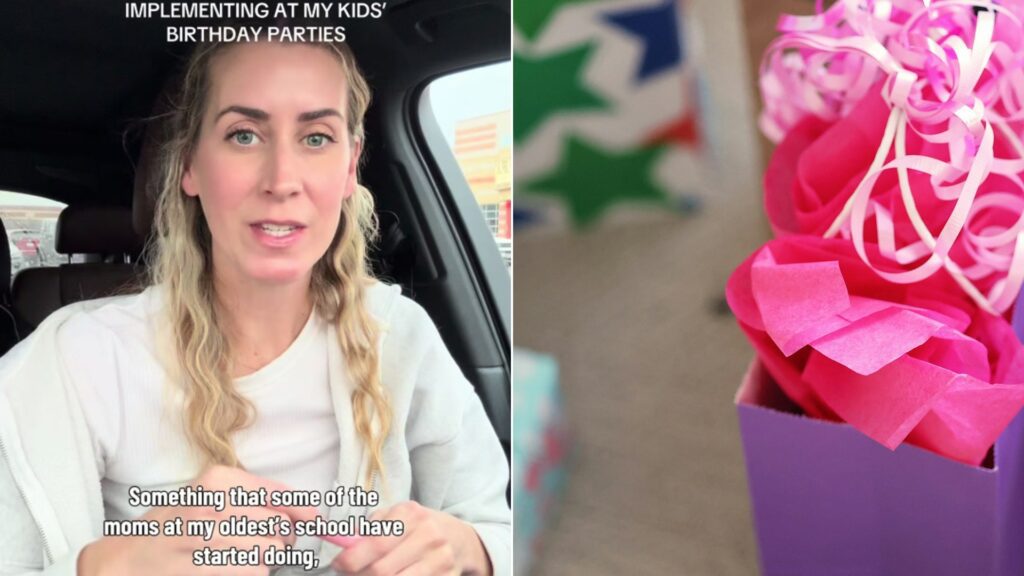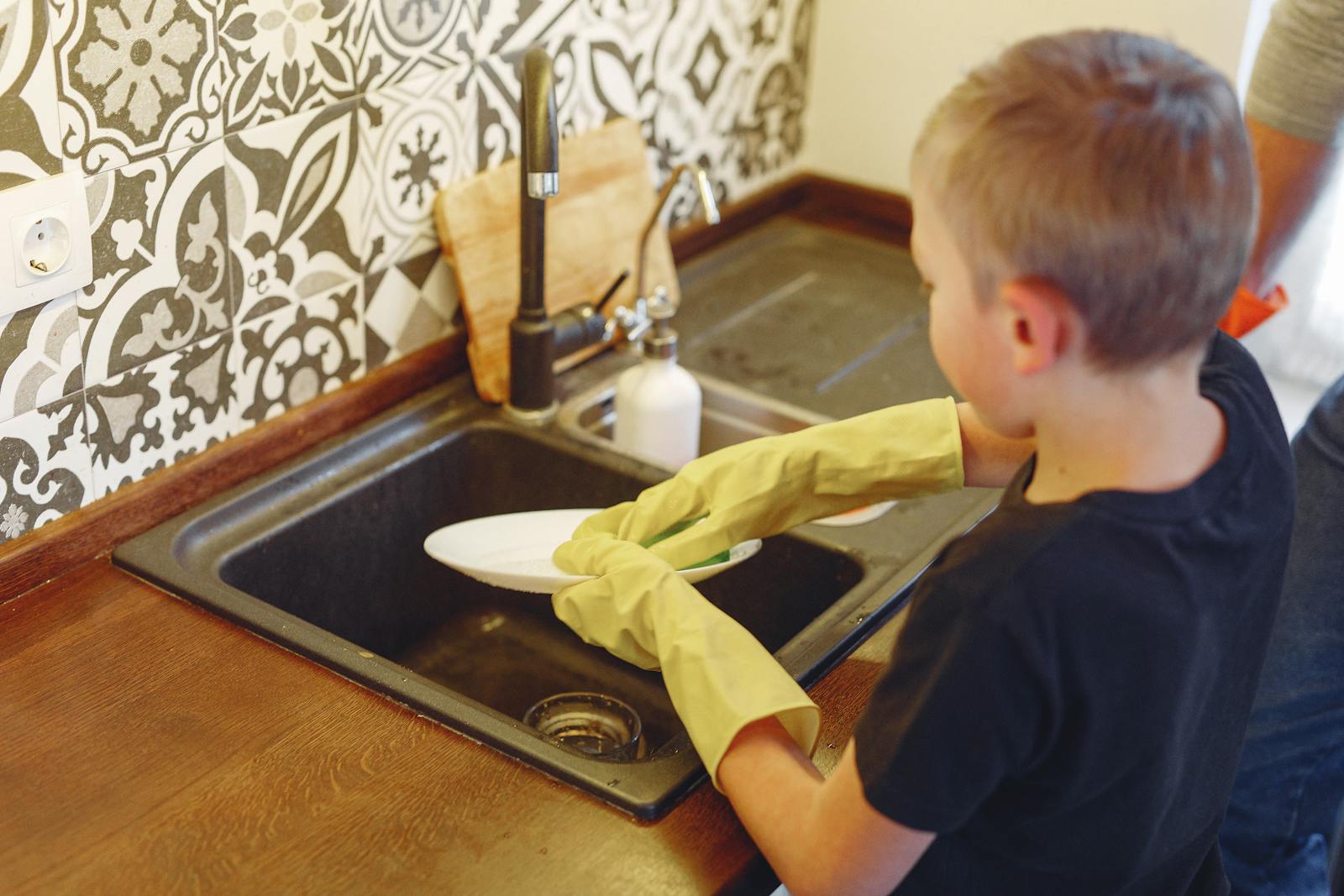
A mom threw out a question that made everyone pause, wondering how to handle kids and chores. She asked whether children really need to be paid or rewarded to do their part around the house, or if parents have completely lost sight of what it means to raise kids. With three kids aged 10, 9, and 3, she was clearly feeling the weight of household responsibilities and what they demand from everyone living there.
The core of her concern seemed to revolve around whether chores should be seen as a job that kids should be incentivized for. Should they get allowances, trips, or extra screen time just for putting their toys away or clearing the table? It’s a question that seems simple at first glance but quickly veers into the complex territory of parenting and expectations.
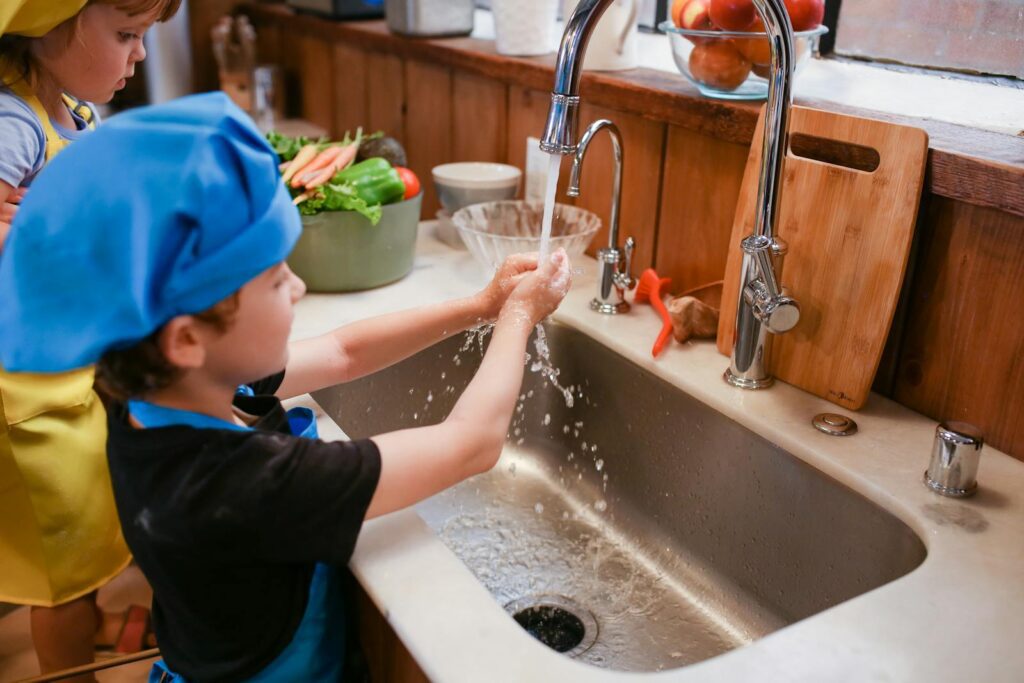
People had very different reactions to her question. One user pointed out that chores are part of living in a shared space. They suggested that kids should do their fair share simply because they are family members. This perspective highlighted the idea of chores not merely as tasks, but as a fundamental part of being a member of a household. It’s an expectation rooted in shared responsibility, rather than a job that comes with a paycheck.
On the other hand, some commenters felt differently. They acknowledged that certain chores should be done just because everyone lives together, but there’s room for kids to earn money for tasks beyond their regular responsibilities. By allowing kids to earn some cash, they suggested, parents could teach valuable lessons about work and money. One mom remarked that it is an opportunity for kids to learn the value of earning rather than just receiving. This sentiment seemed to resonate with those who view chores as a chance for children to understand financial responsibility.
Then, there were those who acknowledged a more nuanced view of chores. They pointed out that some jobs are part of daily life, like putting away laundry or taking out the trash. Yet, some chores, like cleaning out old toys or tackling the yard, are more significant and might warrant a small treat afterward, like ice cream. This perspective recognized that while routine tasks are necessary, sometimes those bigger jobs deserve a little reward to make them feel worthwhile.
Amid the back-and-forth, there was also a comment that the best incentive is simply having a clean living space. This user emphasized that picking up toys and washing dishes should be seen as responsibilities rather than jobs for which one should be compensated. They suggested that payment might be more appropriate for tasks outside of the home, like car washing or lawn maintenance, which are less about maintaining a home and more about doing a specific service.
As the discussion unfolded, it was clear that opinions varied significantly. Some commenters felt strongly that chores should be done without financial incentives, viewing them as part of being a family. Others believed in rewarding or incentivizing certain tasks to help kids learn about work and compensation. This divide highlights how different parenting philosophies can shape expectations in a household.
At the heart of it all lies a deeper question about expectations, responsibilities, and rewards in parenting. Should kids feel financially motivated to contribute to their homes, or is it enough to simply instill a sense of duty in them? With such a range of opinions, one has to wonder what the right approach actually is. Are parents perhaps overthinking it, or is there genuine merit to incentivizing children for the hard work they put in?
More from Decluttering Mom: