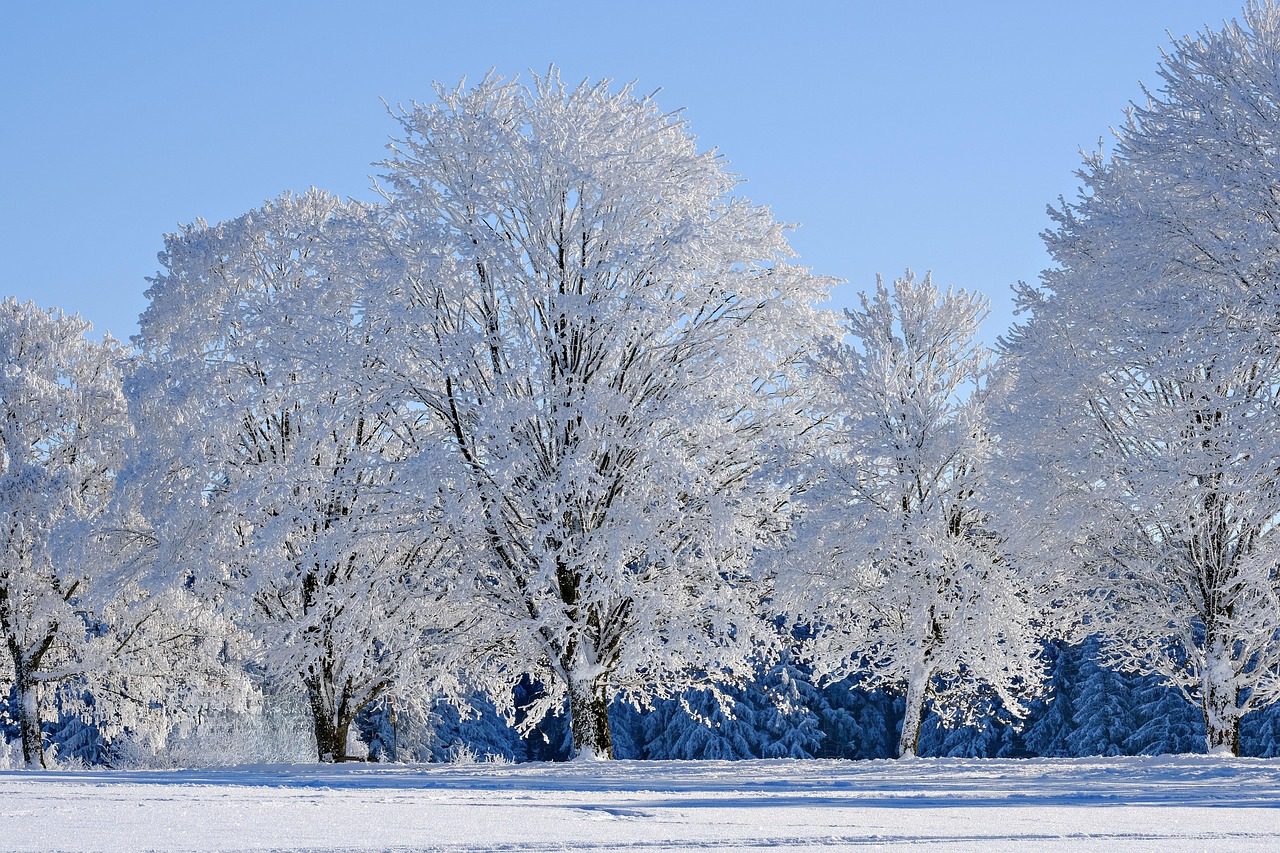
When temperatures plunge and the air goes painfully still, people in northern forests sometimes hear a sharp crack that sounds like a gunshot. That eerie noise has fueled a viral claim that trees literally explode in the cold. The reality is less cinematic but still dramatic, and it has everything to do with how living wood handles sudden, brutal swings in temperature.
Experts say the “explosion” is really a structural failure inside the trunk, not a Hollywood fireball. Understanding what is actually happening inside the bark helps explain those winter booms, shows why some species are more vulnerable than others, and offers a few practical ways to protect backyard trees when the next Arctic blast rolls in.
What people are really hearing on subzero nights
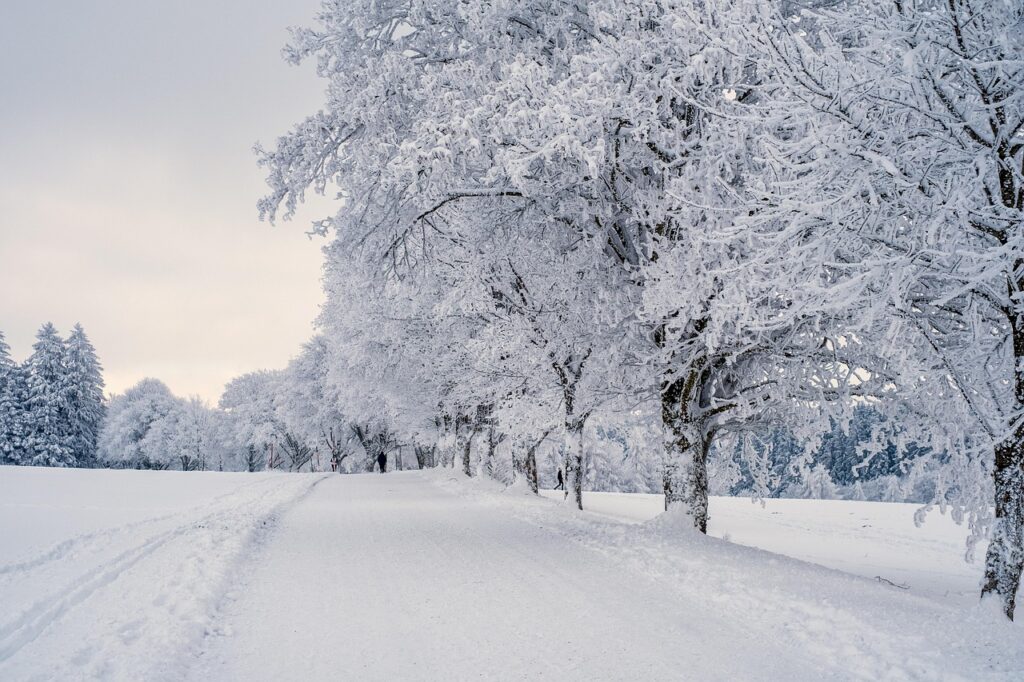
Across the Midwest and Northeast, social media fills up each winter with posts about mysterious bangs echoing through the woods. Residents describe hearing a single loud boom or a series of cracks on nights when the thermometer dives well below zero, then discovering long vertical splits in nearby trunks the next day. Local foresters and arborists say those sounds line up with a known phenomenon called frost cracking, which is sometimes casually described as trees “exploding” in the cold. In some cases, people report chunks of bark or wood blown outward from the trunk, which only reinforces the explosive nickname.
Tree specialists who work in these conditions stress that the noise is real, even if the language is exaggerated. One explanation shared with viewers in New England walks through how a rapid temperature plunge can set up the conditions for a sudden crack that sounds like a rifle shot, especially in large hardwoods with smooth bark that cools quickly at the surface, a pattern that has also been highlighted in coverage of what happens to certain trees in cold weather in the central United States. That same basic description appears in local weather explainers that link the booms people hear to frost cracking rather than any kind of combustion, and one station’s social media post notes that before anyone asks “did anyone else hear that loud boom,” the answer is usually an “exploding” tree, meaning a trunk that has split under pressure, not a blast in the usual sense of the word.
Inside the trunk: how frost cracks actually form
At the heart of the story is simple physics. Inside a tree, moisture and sap expand and contract as temperatures change. When bitter cold air moves in quickly, the outer layers of the trunk can cool and contract much faster than the inner wood, which is insulated by all that mass. That mismatch in movement sets up internal stress. If the tension gets high enough, the wood fails along the grain, often in a long vertical line that can run several feet up and down the trunk. The sudden release of pressure produces the sharp crack people hear on still winter nights, and in some cases the split can fling bark or small pieces of wood outward.
Weather explainers describe this as a classic frost crack, a term that covers everything from hairline splits to dramatic openings that look like someone took a wedge out of the tree. One breakdown notes that inside the trunk, the expanding and contracting sap is what drives the stress that eventually overcomes the strength of the outer wood. Arborists in cold regions say the same thing in plainer language: the tree is not detonating, it is literally tearing itself open along the grain because the outside has shrunk faster than the inside. That is why experts prefer the technical label “frost crack” to the more sensational “exploding tree,” even when they acknowledge that the boom can sound like an explosion to anyone listening in the dark.
Why experts say it is not a true explosion
Tree professionals are almost unanimous on one point: whatever is happening in those subzero forests, it is not an explosion in the way people usually use the word. There is no ignition source, no combustion, and no rapid chemical reaction. Instead, the event is a mechanical failure, closer to a board snapping under load than to a firework going off. One arborist interviewed about whether trees really explode in extreme cold put it bluntly, saying that while extreme cold can cause cracking and loud noises, it is not an actual explosion. The energy comes from built up internal pressure and tension in the wood, not from any burning or blast.
Researchers and extension specialists who study winter tree damage echo that view. In one radio interview, tree expert MCNEE called the term “exploding tree” a sensationalized headline that grabs attention but does not match what is physically happening. MCNEE explained that the more accurate description is simply the wood physically cracking under stress. Another detailed guide on frost cracking notes that these splits occur when air temperatures drop rapidly after a warm spell, especially on the south or southwest side of the trunk where the sun has warmed the bark during the day. That pattern, a quick swing from relatively mild to bitterly cold, is what sets up the stress that leads to a crack, not any kind of flammable reaction inside the tree.
Which trees are most at risk, and what happens to them
Not every tree in a frozen forest is equally likely to split. Arborists point out that species with thinner bark and denser wood, such as some maples and fruit trees, tend to be more vulnerable to frost cracking than rough barked conifers. Young trees with smooth bark can also be at higher risk because their outer layers respond quickly to temperature swings. A detailed overview of frost cracking in Your Trees notes that these splits occur when air temperatures drop rapidly after a warm period, and that some species are simply more tolerant of temperature fluctuations than others. That means two trees standing side by side in the same yard can have very different outcomes in the same cold snap.
As for the damage, a frost crack can range from cosmetic to serious. In some cases, the split closes again when temperatures moderate, leaving only a faint scar. In others, the crack remains open, creating a pathway for insects, fungi, and decay. MCNEE has explained that repeated cracking in the same spot can weaken the trunk and eventually lead to the tree dying, especially if the wound becomes a chronic entry point for disease. Local coverage of severe cold in the Northeast has underscored that point, noting that frost cracks are not just a weird winter sound effect but a structural problem that can compromise a tree over time if the damage is extensive or repeated.
From Indigenous knowledge to modern winter tree care
Long before the phrase “exploding trees” started trending online, Indigenous communities in northern regions were paying close attention to this winter behavior. Accounts from Anishinaabe observers describe how certain nights in the deep cold were marked by a chorus of cracking trunks, loud enough to be woven into seasonal knowledge. One recent feature on Indigenous history notes that some communities even refer to a period of the year as the Frost Exploding Trees Moon, a reminder that this is not a new phenomenon invented by social media but a long observed part of life in very cold climates. That traditional awareness lines up neatly with what modern meteorologists and arborists now explain in terms of sap, stress, and temperature gradients.
More from Decluttering Mom: