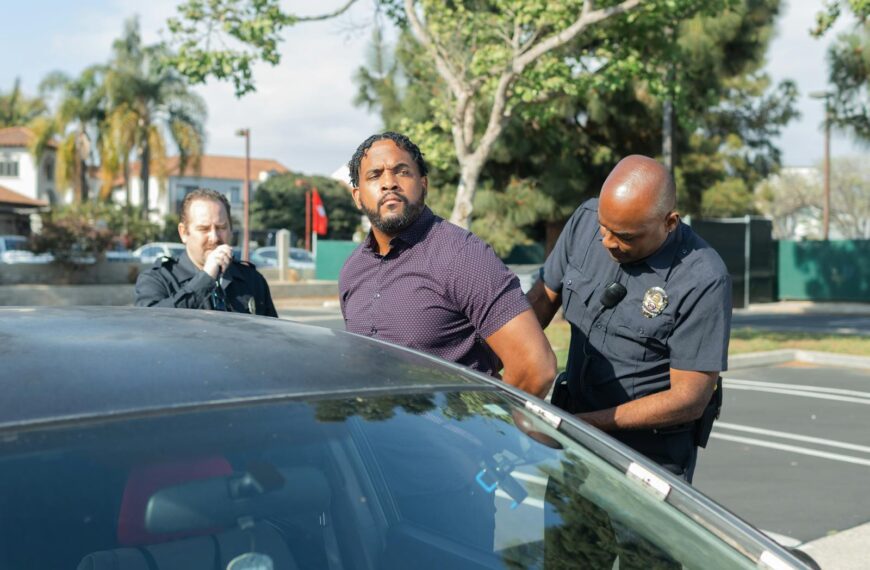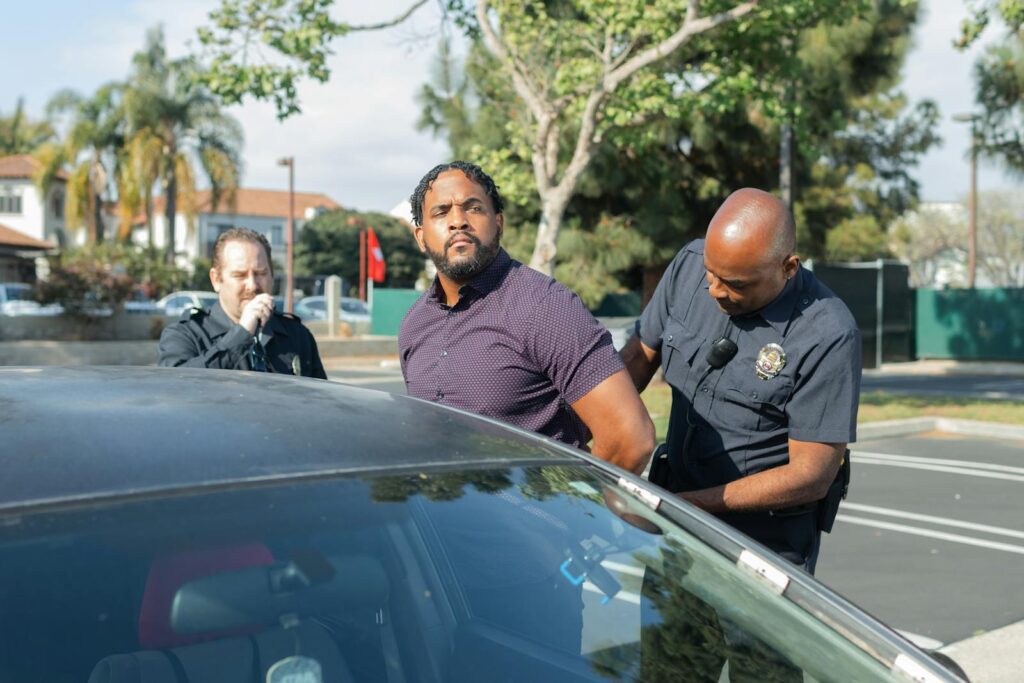
Last spring, a driver in suburban Phoenix merged onto Interstate 10 and noticed the pickup she had just passed was now inches from her bumper, flashing its high beams. When she changed lanes, the truck followed. When she exited, it exited. For nearly seven miles, according to a Maricopa County Sheriff’s Office report, the pickup shadowed her until she pulled into a fire station parking lot and the driver finally sped away. No shots were fired. No one was hurt. But the woman told deputies she had never been more afraid in her life.
Her experience is far from unusual. National survey data, law enforcement records and safety research all point to the same conclusion: aggressive driving in the United States is not a fringe problem confined to a few volatile personalities. It is a near-universal feature of the driving experience, and by several measures it has grown more dangerous since 2020.
Almost Every Driver Has Been Part of the Problem
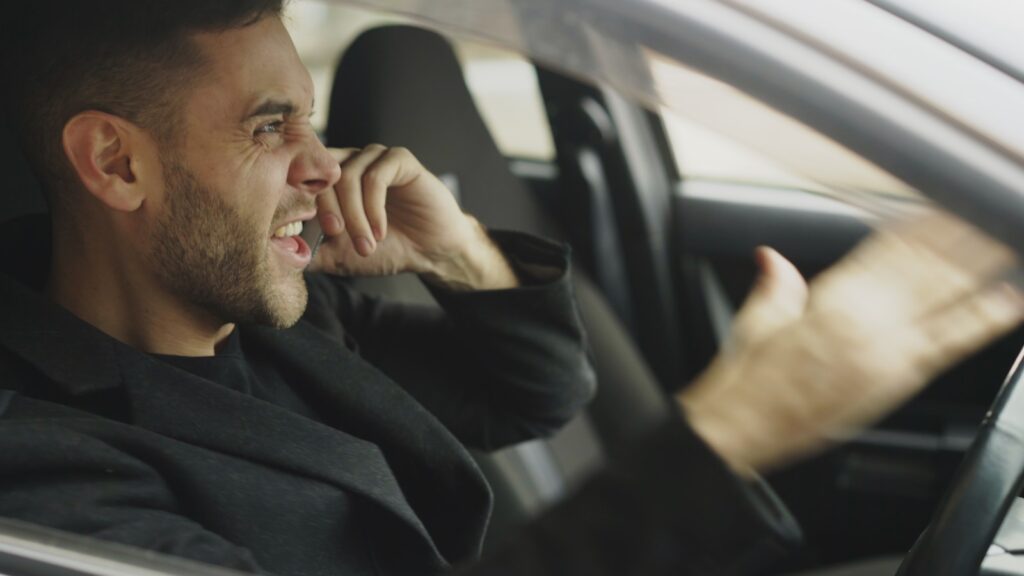
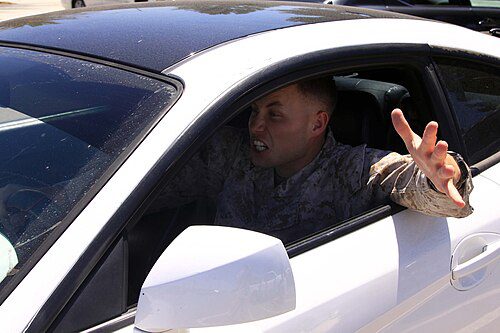
The most striking number comes from the AAA Foundation for Traffic Safety, whose nationally representative survey found that roughly 80 percent of drivers admitted to at least one act of significant aggression, such as tailgating on purpose, cutting someone off or speeding through a red light, within the previous year. A separate AAA analysis reported that nearly all respondents said they had either witnessed or personally experienced road rage in some form. Those figures have been broadly consistent across multiple survey waves, suggesting the behavior is deeply embedded rather than spiking in isolated bursts.
More recent polling reinforces the pattern. A 2024 survey published by The Zebra, an insurance research firm, found that 96 percent of drivers said they had witnessed at least one act of road rage in the previous six months, and 76 percent believed the problem had worsened compared with the year before. When virtually every motorist reports seeing aggression on a regular basis, the question shifts from whether road rage is real to why it has become so routine.
The Pandemic Changed How People Drive
Traffic safety researchers have traced a clear inflection point to 2020. When roads emptied during early COVID-19 lockdowns, average speeds climbed and risky behaviors like street racing surged. The National Highway Traffic Safety Administration recorded a 7.2 percent jump in traffic fatalities in 2020 despite a 13 percent drop in miles driven, a combination the agency called “unprecedented.” Even as traffic volumes returned to pre-pandemic levels, the riskier driving habits persisted.
Psychologists who study driver behavior say the reasons go beyond open lanes. Elevated stress, disrupted routines, financial anxiety and reduced police traffic enforcement during the pandemic all lowered the threshold for losing control behind the wheel. Research reviewed by behavioral specialists highlights that when a person is already carrying high baseline stress, a minor provocation on the road, someone merging too slowly, a perceived cut-off, can trigger a disproportionate anger response. The car becomes what one psychologist described as a “two-ton suit of armor” that makes drivers feel both powerful and anonymous, a combination that lowers inhibition.
Guns Have Raised the Stakes
What separates modern road rage from the honking-and-cursing variety of past decades is the presence of firearms. An analysis by Everytown for Gun Safety found that road rage incidents involving a gun resulted in at least one person being shot every 16 hours on average, a rate that more than doubled between 2018 and 2022. In many of those cases, the confrontation began with a mundane trigger: a lane change, a honk, a slow left turn. The escalation from frustration to gunfire often took less than a minute.
That reality has changed the calculus for drivers who find themselves being followed. What might once have ended with a shouted insult now carries the possibility of lethal violence, which is why safety experts increasingly treat road rage not as a traffic nuisance but as a public safety threat on par with impaired driving.
What to Do When a Driver Locks Onto You
Law enforcement agencies and safety organizations offer consistent guidance for anyone who realizes an aggressive driver is following them. The core principles are simple: do not go home, do not engage and do not stop in an isolated area.
Specifically, experts recommend:
- Keep doors locked and windows up. Avoid eye contact or any gesture that could be read as a challenge.
- Stay on well-lit, well-traveled roads. Avoid turning into residential side streets or dead ends.
- Drive to the nearest police station, fire station or busy, well-lit public place such as a hospital emergency entrance.
- Call 911 while driving (using hands-free if possible) and describe the vehicle, its license plate and your location.
- If you must stop, stay in your car with the engine running until help arrives.
Those recommendations echo advice shared widely in online driving communities, where users who have lived through pursuit situations stress one overriding point: the goal is not to win the confrontation but to end it safely. One commenter whose post was upvoted hundreds of times put it bluntly: “Stay within sight of other drivers” on well-lit streets and head straight for an official building. The moment you turn down a quiet road alone, you lose your best protection: witnesses.
Is It Actually Worse, or Just More Visible?
Dashboard cameras, smartphones and social media have made road rage incidents far easier to document and share than they were a decade ago. That visibility can distort perception, making it feel as though every highway is a war zone. Some researchers caution that part of the “epidemic” framing reflects reporting bias: incidents that once went unrecorded now go viral.
But the data pushes back against a pure visibility explanation. Fatality rates on U.S. roads remain elevated above pre-2020 levels. Gun-involved road rage incidents have measurably increased. And survey after survey finds that drivers themselves, the people with the most direct experience, overwhelmingly say conditions have deteriorated. Perception and reality may both be moving in the same direction.
None of that means every merge is a death trap or every tailgater is a threat. Most aggressive driving episodes end without injury. But the margin for error has narrowed, and the consequences of misjudging a stranger’s intentions have grown more severe. For the driver in Phoenix who watched a pickup follow her off the interstate, the lesson was not that roads are hopeless. It was that the smartest thing she did was refuse to go home.
More from Decluttering Mom: