

You finally cleared out the garage, filled the back of the car with bags and boxes, and drove to the thrift store feeling pretty good about yourself. You hand it all to the attendant at the donation door and leave, sure that you have done a kind thing. But some of what you dropped off may not make it onto a shelf at all. Broken, stained and unsafe items cost charities money to throw away, and many thrift stores quietly deal with a lot of it every day.

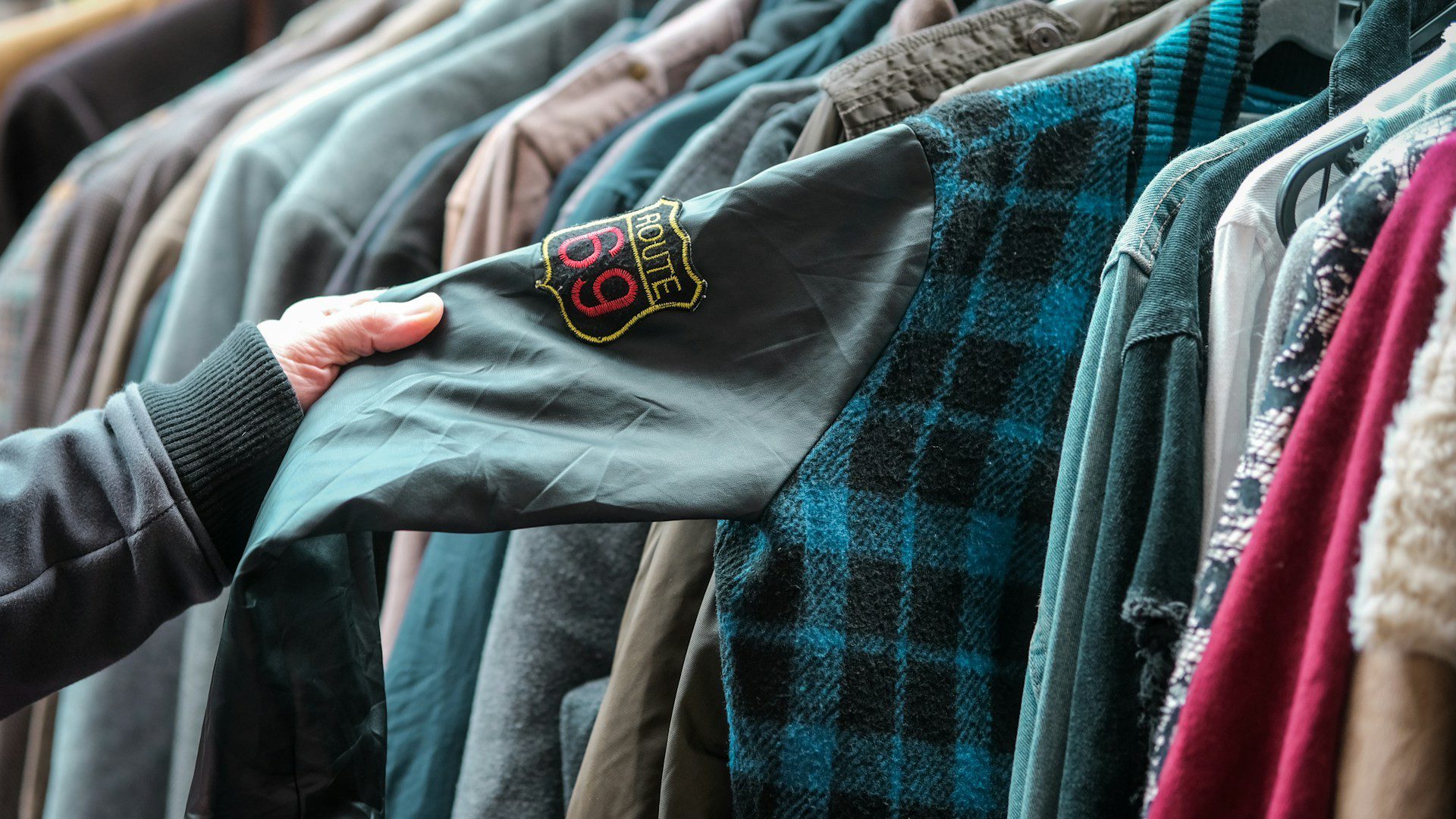
Donating Is Not the Same as Dumping
When you donate, you are giving a gift. A gift should be something the other person can use. Thrift stores rely on donations to stock their shelves and raise money for the programs they support. But every item that comes in has to be sorted, checked and priced by staff or volunteers. Anything that cannot be sold has to be thrown out, and in many cases the store has to pay to haul it away.
That means when a bag of ripped clothes or a broken lamp arrives at the donation door, it does not help the charity. It adds a cost. Many stores would rather not say it out loud, but they face this problem often, and it is a big reason why they ask donors to be thoughtful.
What Thrift Stores Truly Cannot Use
Every organization has its own list, and it is smart to check with your local store before you drop things off. But some items are widely turned away because they are unsafe, unsellable or simply not wanted.
- Items that are broken, cracked, chipped or missing important pieces.
- Clothing that is stained, torn, moldy or heavily worn.
- Anything that smells strongly of smoke, mildew or pets.
- Recalled products, especially baby and children’s items.
- Used car seats, cribs and other safety gear that may be out of date or damaged.
- Used mattresses and box springs, which many stores refuse.
- Hazardous materials such as paint, chemicals and anything flammable.
- Large, outdated or hard to sell electronics, like old tube televisions.
- Puzzles or games with missing parts.
- Opened personal care items and expired food.
Some stores also refuse certain items for reasons that are not obvious, such as exercise equipment, large furniture, or items that need special handling. That is why a quick call or a visit to the store’s website can save you a trip and save them a headache.
The Simple Test: Would You Give It to a Friend?
If you are unsure whether an item belongs in the donation box, ask yourself a plain question. Would you hand this to a friend or relative without feeling embarrassed? If the answer is no, it probably should not go to a charity either. A stained shirt, a cracked mug or a lamp that does not turn on is not a gift. It is trash that someone else has to deal with.
Another good test is whether you would buy the item yourself if you saw it on the shelf. If you would pass it by, chances are other shoppers will too.
What to Do With the Items They Cannot Take
Just because an item cannot be donated does not mean it has to go straight into the landfill. There are other ways to handle it.
- Textile recycling: Many areas have drop off bins or programs that take worn clothing, linens and shoes for recycling or reuse as rags. Check with your local waste department.
- Electronics recycling: Many communities have events or drop off sites for old electronics, and some retailers accept certain devices.
- Repair: A little glue, a new button or a quick fix may bring an item back to donation quality.
- Household hazardous waste: Paint, chemicals and similar materials should go to your local hazardous waste program, not to a thrift store.
- Trash: If it is truly broken and not recyclable, throwing it away yourself is the kind thing to do. It spares the charity from paying for it.
Make Your Donations Count
Good donations are clean, working, complete and in good condition. Wash clothes before you drop them off, and fold or hang them neatly. Wipe down dishes and housewares. Test electronics and include cords and parts. Put similar items together in boxes or bags, and avoid dropping off loose piles or items stuffed in trash bags that look like garbage. Ask for a receipt, because donations to qualified charities may be tax deductible, and a receipt helps you keep a record.
It also helps to donate during store hours, when staff is there to accept the items. Leaving bags outside a closed store may seem harmless, but weather, theft and pests can ruin donations, and the store may have to pay to clean up the mess. Many organizations post signs asking people not to do this for good reason.
It Is About Respect
The people who work and volunteer at thrift stores are doing a hard job, and the shoppers who rely on those stores deserve items that are usable and safe. Many shoppers are on tight budgets and are counting on a decent coat, a working toaster or a set of dishes that is not chipped. When we donate things that are broken or dirty, we are not helping them. We are making their work harder and costing the charity money that could have gone to good use.
The next time you clean out a closet, take a moment to sort. Keep what you still need, donate what is in good shape, recycle what you can, and throw away the rest. A little extra effort at home means a lot more help for the people the charity is trying to serve.
More Stories You May Like
- Woman Decluttering Her House Before Downsizing Draws a Number From One Bucket and a Room From Another to Decide Exactly What to Throw Away Each Day for Thirty Days
- Holding Onto Things Out of Guilt Feels Bad but One Woman Says It Feels Even Worse to Finally Let Them Go
- Seven Items That Sell Almost Instantly Are Listed by a Reseller Who Says Most People Do Not Know What They Have