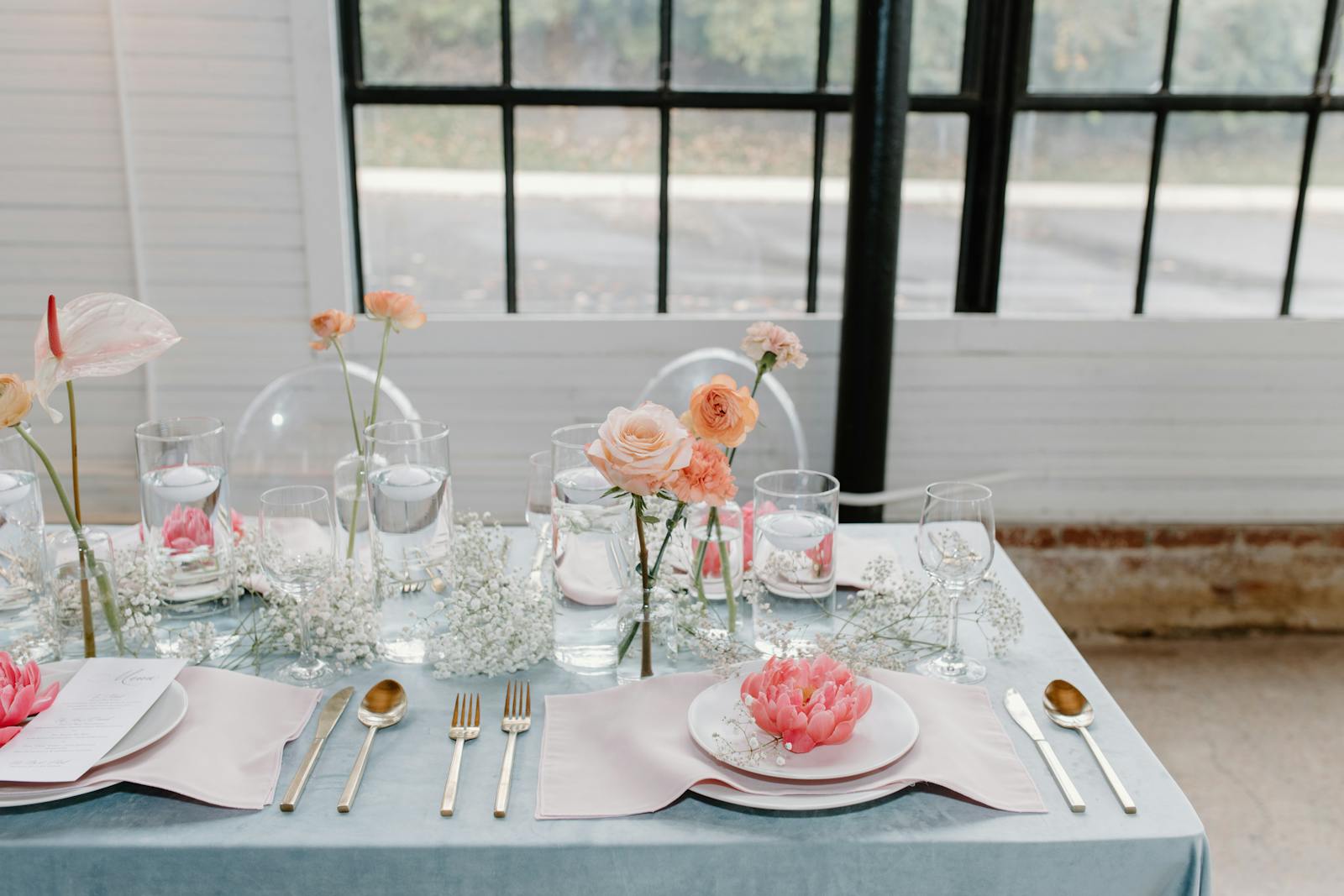
When it comes to spring entertaining, experts agree that the biggest table setting trend this season embraces a relaxed, intentionally imperfect style. This “perfectly imperfect” approach focuses on natural textures, layered linens, and handcrafted details to create a warm, inviting atmosphere without feeling overly staged. It’s about celebrating authenticity and comfort while still looking effortlessly chic.
You’ll find this trend reflected in mix-and-match dinnerware, soft pastels paired with gold accents, and fresh florals arranged in simple but elegant ways. Whether you’re hosting a casual brunch or an alfresco dinner party, this style invites you to bring personality and ease to your table setting. It’s designed to make both you and your guests feel truly at home.
What Is the Spring Table Setting Trend Experts Love?
This spring, table settings are moving toward styles that blend simplicity with lively natural touches. You’ll find a focus on colors, textures, and decor choices that celebrate the season while making your dinner parties feel comfortable and inviting.
Key Elements Defining the Trend
At the heart of this trend are fresh, vibrant colors mixed with natural elements. Think bold floral arrangements—either single bright flowers or carefully mixed bouquets—that draw the eye without overwhelming the table.
You’ll also notice the use of potted plants alongside traditional cut flowers, which brings life to the setting and lasts beyond the event. Layering different shades of green and warm, earthy tones creates a grounded, cohesive look.
Simple table linens in crisp whites or soft pastels work perfectly as subtle backdrops. Adding texture through lace runners, woven placemats, or bamboo cutlery introduces tactile interest without cluttering.
Why Experts Predict It Will Dominate
Experts expect this trend to dominate because it balances elegance with easygoing comfort, perfect for both casual and more formal entertaining. The use of natural decor and restrained color schemes helps you create an atmosphere that feels fresh without effort.
Plus, the practicality of incorporating potted plants means your table continues to bring joy after the meal ends. This sustainable angle resonates with many hosts looking to reduce waste and keep their spaces feeling lively.
Finally, this style flexes well for all sorts of gatherings—from casual weekday dinners to special spring celebrations—making it a versatile go-to that fits your entertaining needs seamlessly.
Choosing the Perfect Color Palette
Picking the right color palette sets the stage for your spring table and influences the entire mood of your gathering. You want colors that refresh and energize without overpowering the look. Balancing soft tones with standout shades helps you create a table setting that feels both inviting and stylish.
Pastel Hues and Bold Accents
Pastel hues are a spring favorite because they bring a gentle and light atmosphere to your table. Think soft lavender, pale blue, mint green, and blush pink—these colors on your plates and linens instantly brighten your spring table without clashing. Pastel plates combined with similarly soft glassware or napkins maintain that airy feel.
To avoid blandness, mix in bold accents like cinnamon slate or rosepine in your flatware or centerpiece. This contrast gives your tablescape depth and visual interest without overwhelming the soft pastels. For example, a pastel plate with a bold-colored napkin or vase can keep things lively but cohesive. You’ll balance softness with punch, ideal for your fresh spring setting.
Mixing and Matching Colors for Impact
You don’t have to stick to one color family—mixing multiple colors can add personality to your table. Use a three-color scheme like lavender, cornflower blue, and crisp white to create a sophisticated yet playful look. The key is layering these varied colors in patterns or textures, such as stripes, florals, or woven linens, to avoid a chaotic feel.
Try combining pastel plates with contrasting placemats or textured napkins to give each setting its own character. It’s a way to showcase your style while keeping everything coordinated. Mixing colors thoughtfully lets you experiment with trends like bold color accents and organic designs, making your spring table uniquely yours.
Layering Foundations: Linens, Runners, and Placemats
Creating a stylish table starts with choosing the right foundational linens and layering them thoughtfully. Balancing colors, textures, and sizes helps you build a visually appealing setting that suits both casual and formal occasions.
Selecting Tablecloths and Table Linens
Start with a crisp tablecloth as your base—it sets the color scheme and tone. Choose fabrics like cotton or linen for a natural feel, or go for polyester blends if you want easy maintenance. Fit matters: the cloth should hang evenly around the table, ideally 8-12 inches below the tabletop edge.
Pick neutral tones for versatility or bold hues to make the other layers pop. Your table linens should complement your tablecloth in texture and weight, keeping the overall look balanced. Avoid heavy or overly shiny fabrics as your base unless aiming for a formal, ultra-polished vibe.
Incorporating Table Runners and Placemats
Adding a table runner introduces a focal stripe down the center of the table. Linen table runners are popular for their texture and durability, which contrast nicely with smoother tablecloths. Choose runner width and length according to your table size; it should extend beyond edges by a few inches but not overpower the surface.
Placemats add another layer of interest and protect your linens from spills and hot dishes. Mixing placemat materials—like rattan, woven fibers, or suede—adds visual depth. Use placemats with patterns or solid colors that complement your runner and tablecloth for a cohesive look.
Here’s a quick layering format you can follow:
| Layer | Purpose | Common Fabrics/Materials |
|---|---|---|
| Tablecloth | Base color and protection | Linen, cotton, polyester |
| Table runner | Central visual interest | Linen, cotton, woven |
| Placemats | Texture and individual spots | Woven fibers, leather, suede |
Adding Textural Depth with Layered Pieces
Texture layering makes your table feel inviting and rich without clutter. Start with a smooth or matte tablecloth, then add a textured linen table runner for softness and pattern. Layer placemats with tactile surfaces like woven or stitched materials to provide contrast.
Don’t be afraid to mix natural fibers with metal or stone accents like chargers or decorative plates to increase texture variety. When layering, maintain balance by keeping contrasting textures in proportion—too many rough textures can overwhelm the space, while too few may look flat.
Focus on how the linens and runners feel to the touch as well as how they look, because the tactile experience elevates the entire dining event.
Floral Arrangements and Botanical Accents
Bringing nature to your table refreshes the entire room. Think vibrant colors, textured greenery, and a mix of blooms that create a natural, inviting atmosphere. These elements instantly elevate your setting and add warmth.
Fresh Flowers and Spring Blooms
Fresh flowers are essential for a lively spring tablescape. Focus on classic seasonal blooms like tulips, daffodils, and peonies to capture the spirit of the season. Their bright colors and delicate shapes provide a cheerful foundation for your decor.
You can arrange single-type bouquets for a modern, streamlined look or mix different flowers for a more textured, garden-inspired feel. It’s best to use varying heights for visual interest and easy conversation flow around the table. Keep flowers fresh by changing water daily and trimming stems regularly.
Centerpieces That Steal the Show
A centerpiece can be the highlight of your table. Opt for floral centerpieces that blend form and function, such as a lush arrangement of mixed tulips and peonies in a low vase to avoid blocking views.
Try layering blooms with greenery like eucalyptus or ivy to add depth and a natural vibe. Consider placing small accent bouquets around the main centerpiece to create balance and fill space without overcrowding.
Using Potted Plants and Greenery
Potted plants offer a versatile, lasting option that adds both color and texture. Small potted herbs or flowering plants work well as charming table accents and can double as take-home gifts.
Greenery, like cascading ivy or eucalyptus branches, brings movement to the arrangement and harmonizes with floral bursts. Incorporate natural textures—such as rattan trays or linen runners—to complement your plants and create an organic, cohesive look.
Creative Place Settings and Tableware
Your table setting can shine by carefully choosing plates and cups, mixing in vintage finds, and adding small, personal details. These simple touches create a unique atmosphere that feels both stylish and inviting.
Selecting Plates and Cups
Start with your plates. Pastel plates are a popular choice this spring, offering a soft, fresh look that works well for both casual and formal meals. Think pale blues, blush pinks, or mint greens to add subtle color without overwhelming the table.
For cups, look beyond matching sets. Mixing glassware with ceramic mugs or hand-painted cups adds texture and interest. Choose styles that complement your plates but show a little character, like delicate floral patterns or matte finishes.
Arrange your plates and cups with intention. Layering a smaller plate over a larger one creates depth. Placing unique cups at each setting encourages conversation and shows thoughtfulness in your setup.
Incorporating Vintage Pieces and Unique Finds
Incorporating vintage pieces adds a story and a sense of history to your table. Broken-in silverware, heirloom glasses, or a delicate porcelain dish can elevate your setting instantly.
Look for pieces with character—maybe a slight patina on silver forks or lace-trimmed napkins that bring a handmade feel. Don’t be afraid to mix vintage with modern elements to maintain a fresh vibe.
Unique finds like hand-thrown pottery or local artisan plates create a distinct look. You can combine these with simpler contemporary items for balance. This layered style invites your guests to explore and appreciate the details.
Personal Touches with Place Cards and Napkin Rings
Adding personalized place cards shows guests you care about their experience. You can go simple with handwritten cards on textured paper or get creative with small objects like pressed flowers or mini chalkboards.
Napkin rings are another easy way to add charm. Choose styles that match your theme—metal for elegance, wood for rustic warmth, or colorful beads for a playful look. Even tied twine or ribbon can work beautifully.
Together, place cards and napkin rings frame each setting and make your guests feel especially welcomed. These details turn practical items into memorable style accents.
Setting the Mood: Lighting and Ambiance
Creating the right atmosphere for your spring gatherings depends heavily on the lighting you choose. Soft, natural glows paired with thoughtfully arranged candles make your table feel inviting and alive. Your choices in candle types and how you place them can transform any meal into a cozy, memorable experience.
Choosing the Right Candles
When selecting candles, consider both style and function. Beeswax candles are an excellent choice because they burn cleanly, last longer, and give off a subtle, natural honey scent that won’t overpower your food. Their warm, golden flame adds a classic ambiance without artificial scents.
Taper candles bring elegance with their tall, slender shapes, perfect for formal settings or creating height on your table. Pillar candles offer solid, steady light and can act as a centerpiece on their own. Opt for unscented options near the dining area to avoid competing aromas.
Mixing candle heights and finishes—like ceramic holders or vintage glass—adds texture and visual interest. Your goal is to create a layered, welcoming glow that invites lingering conversations.
Arranging Tea Lights and Beeswax Options
Tea lights work beautifully for subtle, flickering accents. Group them in odd numbers such as threes or fives to avoid symmetry, which can feel rigid. Use small, decorative holders to add character or nestle these tiny flames among greenery or citrus slices for a fresh touch.
Bee-wax tea lights combine the benefits of beeswax with the convenience of smaller sizes. They’re great for both indoor and outdoor settings, especially when you want consistent, clean-burning light. Cluster them near your main candles or scatter them along the table’s length for a soft, steady glow.
Remember to position your candles safely. Keep them clear of flammable decorations and away from drafts, especially outdoors. This careful placement ensures the ambiance lasts without interruptions.