One mom, overwhelmed by the attention her newborn received, recently shared a striking feeling of being invisible. At gatherings, it’s her baby that people flock to, while she stands on the sidelines, feeling more like a human incubator than a new mother. When friends and family greet them, it’s all about the infant. “How is the little bean?” “I want to see Bean soon!” In these moments, she felt a jolt of irritation, realizing that no one seemed to care how she was doing.
This disconnect can feel jarring. With a seven-month-old, she anticipated some attention shifting towards the baby, but the sheer disregard for her presence caught her off guard. Whether at family events or casual outings, the baby’s name was on everyone’s lips, while hers seemed forgotten. Leaving a gathering often meant a chorus of goodbyes directed at the child, as if the mom was merely an accessory, holding her baby, but unseen.
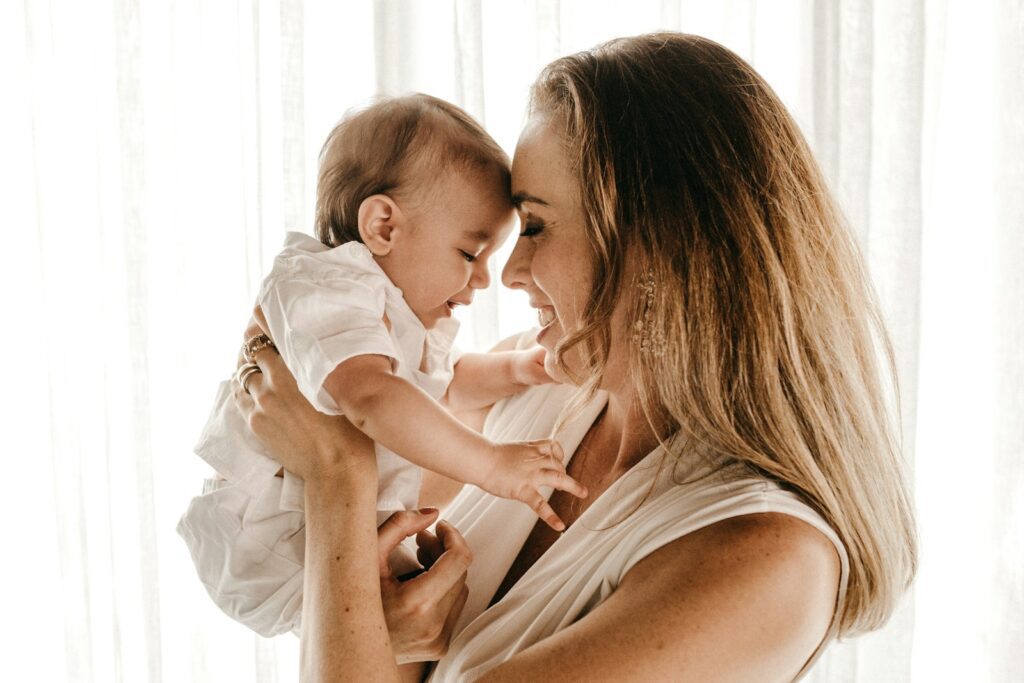
She noted that even distant relatives, who hadn’t reached out in years, suddenly became eager to see the baby. This sudden interest, while understandable given the joy a new life can bring, felt like an exclusionary tactic. It’s hard to ignore the underlying message: that the attention given to her child eclipsed her own existence. The mom was aware that her daughter brought happiness to many, but it also left her wanting acknowledgment for herself, as a person, not just as the baby’s mother.
Many who read her post offered their thoughts, and opinions varied widely. Some people felt that it was vital for her to assert herself more in these situations. “You need to say something, or tell them she can’t go but you can,” one user suggested, urging the mom to set boundaries. This advice resonated with others who understood how important it is to feel valued, even when a baby is the main attraction.
Another commenter empathized with her struggle, recalling similar feelings of being overlooked after the birth of her own child. “Some people get so caught up in the excitement of a new baby they forget about mom.” This perspective brought a small sense of solidarity, suggesting that such experiences could ease over time as people adjust to new family dynamics.
Others pointed out that it can be frustrating when long-lost relatives suddenly show up for the baby but neglect the mother’s feelings. “It’s rude to ask to see your baby when they haven’t talked to you in forever,” one user said. This resonated with the mom’s frustration, highlighting a shared sentiment in the parenting community about setting clear expectations with friends and family when it comes to nurturing relationships.
Some users encouraged her to speak up about her feelings more often, maybe even in a light-hearted way. “Just say something like, ‘Well hello, I’m here too!’” suggested another, emphasizing how humor might diffuse the tension and remind others of her presence.
As the conversation unfolded, it became clear that many had faced similar dilemmas, where the excitement surrounding a baby overshadowed the experiences of the mother. This collective understanding brought a hint of reassurance, but it also raised questions about how to navigate these social shifts effectively. Should a new mother have to remind people of her presence? Or is it just part of the tricky transition into parenthood?
This mom’s experience taps into a broader conversation about recognition, boundaries, and support in the early days of parenting. How does one balance the joy of a new life with the need for personal identity? While some may find it a natural adjustment, for others, like her, it feels isolating. With so many differing opinions swirling around, the question remains: what’s the best way to be seen and valued in a world that seems to celebrate the baby over the mother?
More from Decluttering Mom: