There is a kind of parenting resentment that does not begin with one explosive fight. It builds in smaller moments first.
A promise made too quickly. A big decision presented after the fact. A “fun” idea that sounds magical in the moment but quietly hands all the cleanup, planning, and fallout to the other parent.
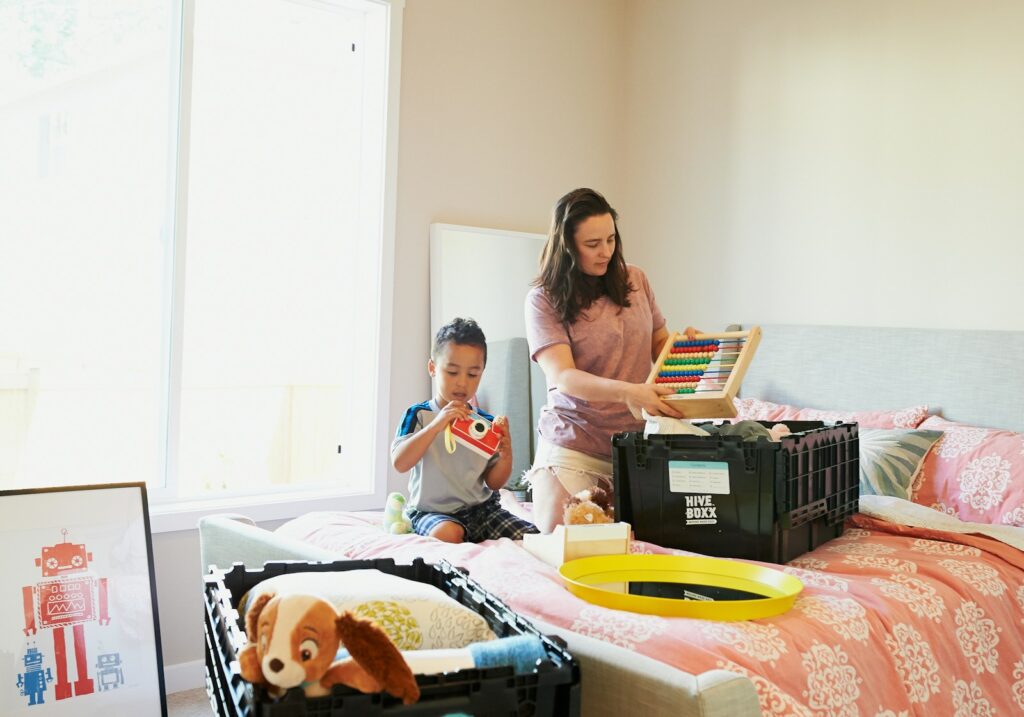
That is what one parent described in a post about a husband who kept making major parenting calls alone, then framing them like sweet surprises. First it was bringing home a puppy after “just looking.” Then it was promising the kids they could share a room and moving furniture before talking it through. The result was not more family fun. It was chaos, overstimulation, sleep issues, and one parent left managing the consequences.

When one parent becomes the “fun” one and the other becomes the cleanup crew
This is where resentment starts getting sharp.
The issue is not always that one parent is uninvolved. Sometimes it is almost the opposite. They are active, playful, adored by the kids, and full of ideas. But if those ideas keep becoming real family decisions without actual agreement, the other parent often ends up carrying the emotional and practical labor that comes afterward.
That is a hard dynamic to live inside.
One parent gets to be spontaneous. The other gets cast as rigid. One gets the excitement. The other gets the backlash for saying, “This is not working.” That is exactly why this kind of problem feels bigger than a puppy or a bedroom switch. It starts turning one parent into the villain of a story they did not even help write.
The conversation most couples wait too long to have
The conversation is not just “we need to communicate better.”
It is this: what decisions require two yeses before anything is promised, changed, bought, or set in motion?
That question sounds simple, but it clears up a lot.
Because once children hear about the puppy, the room switch, the new routine, the sleepover plan, the camp signup, or the expensive surprise, the real conversation is already happening too late. At that point, one parent is cornered into either going along with something they never agreed to or disappointing the kids by pulling it back.
That is where resentment grows fast.
Couples need to name the categories ahead of time. Pets. Bedroom changes. Big purchases. New activities. School changes. Device rules. Sleep arrangements. Travel promises. Anything that changes the household rhythm, adds work, costs money, or affects the kids’ regulation should be a two-yes decision.
Fun is not the same thing as thoughtful
This is the part many couples miss.
A fun idea is not automatically a good parenting decision just because the kids cheer at first. Kids are not reacting to the long-term impact. They are reacting to the shiny beginning of it.
Adults have to think about the rest.
The post captured that perfectly. One child was thrilled by the room change while the other was suddenly unable to sleep and said his room felt “gone.” The puppy was exciting until the barking, accidents, feeding, and school-morning stress started landing.
That is why thoughtful parenting sometimes looks less exciting upfront. It leaves room for both kids’ needs, both parents’ capacity, and the reality of what happens after the “surprise” wears off.
What this conversation can sound like at home
The best version of this talk is calm and specific, not dropped in the middle of another argument.
It can sound like:
“We need to decide what counts as a two-yes parenting decision, because I do not want either of us making big choices alone and handing the other person the fallout.”
Then get practical.
You can say:
- “Please do not promise big things to the kids before we talk.”
- “If it changes routines, money, sleep, workload, or the house, it needs both of us.”
- “I do not want one of us becoming the bad guy because the real conversation happened too late.”
- “I want the kids to have fun too, but not at the expense of partnership.”
That is the shift couples need. Not less joy. Just more teamwork before the joy gets announced.
Resentment usually starts before anyone says the word
By the time couples are openly talking about resentment, it has usually been building for a while.
It grows in those moments where one parent feels overruled, outnumbered, or quietly assigned the hard part. It grows when cleanup becomes expected, when emotional labor becomes invisible, and when the person carrying the consequences is told they are the one making everything difficult.
That is why this conversation matters so much.
Not because every family choice has to be heavy. Not because spontaneity is bad. But because kids need parents who are on the same team more than they need another surprise.
And honestly, that is what keeps resentment from taking root in the first place: making sure neither parent gets turned into the permanent cleanup crew for decisions they never actually said yes to.
More from Decluttering Mom: