


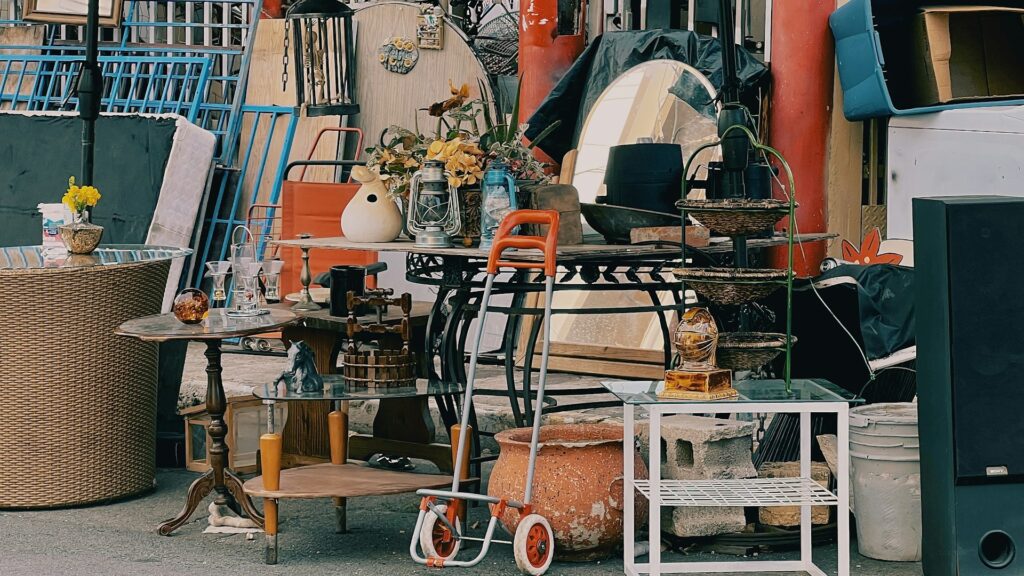
Every garage has the pile. It sits in the corner under a tarp or stacked on a shelf, and every time you walk past it, you think the same hopeful thought: that is worth something. Then you spend a Saturday photographing it, writing a listing, answering questions from strangers, and watching it get zero offers. By Sunday night you are tired, the garage is still full, and the pile has not budged.

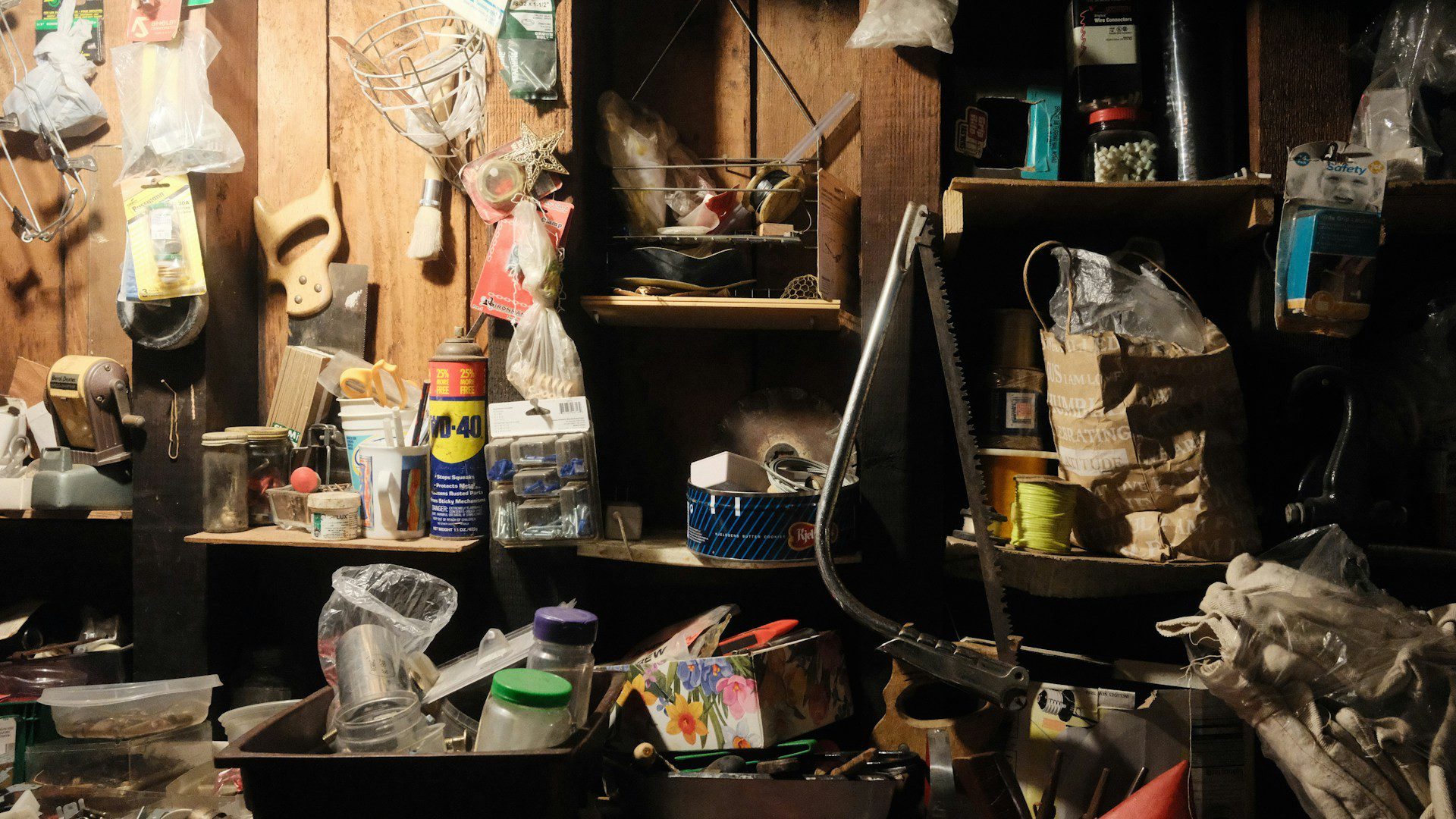
The truth is that plenty of everyday items look valuable but almost never sell. They feel like they should bring in real money because they were expensive when you bought them, or because they are big and solid, or because they have been in the family for years. But a buyer does not pay for what something cost you or what it means to you. A buyer pays for what they actually want right now, and for a lot of garage staples, nobody wants them.
The usual suspects
Start with the bulky exercise equipment. The treadmill, the stationary bike and the weight bench were all bought with the best of intentions, and they carry a hefty price tag in your memory. The trouble is that they are heavy, awkward to move and hard to ship, so most buyers will not bother. If a machine is not easy to pick up locally, it tends to sit.
Old televisions are another classic. The big boxy set from years ago looks like a substantial piece of electronics, but most people do not want to haul one home, and many donation centers will not take them either. The same goes for old computer monitors and printers. They look like they ought to be worth something, but they are the kind of thing people give away or recycle, not pay for.
Then there are the sets. Encyclopedias, formal china that never left the cabinet, and boxes of mass-produced collectibles all fall into this group. Some of these were sold as investments, and that is exactly why so many of them were made. When a lot of people bought the same item expecting it to go up in value, there ends up being plenty of supply and very few buyers. Old VHS tapes and cassette collections tend to be in the same boat. A collection can mean a lot to you without meaning much to the market.
Do not forget the half-used supplies. Old paint cans, leftover building materials, bags of random hardware and mismatched tools are easy to hold on to because they feel useful. They rarely sell, and some cannot be donated at all. Paint in particular is something your local waste program may have rules about, so it is worth a quick call before you toss it in the trash.
Why the listing never works
There are a few reasons these things stall. The first is condition. Items that have lived in a garage often come with dust, dampness, rust or the faint smell of a place that has seen a few summers. Even something that works fine can look tired in photos.
The second is demand. A thing can be perfectly good and still not be something people go looking for. Ask yourself a simple question: if I were shopping for this today, would I search for it? If the honest answer is no, the buyers are probably not searching either.
The third is effort. Selling takes time. You write the listing, answer the same questions, schedule pickups, and deal with the person who says they are on their way and then disappears. If the item only might sell for a small amount, the hours you put in can easily be worth more than whatever you eventually collect.
A simple test before you list
Before you spend another weekend on it, try this. Search for the same item on a few selling sites and look only at the ones that have actually sold, not the ones that are merely listed. Plenty of listings with a hopeful price tell you nothing. If you cannot find any recent sales, treat that as your answer.
Set yourself a limit, too. Give an item one honest attempt, and if it does not sell in a reasonable stretch of time, take it off the list and move on. The point is to clear space, not to babysit a listing.
What to do with it instead
The kindest thing you can do for your garage is let go of the idea that every item needs to earn money. Some of it simply needs to leave.
- Donate what is clean, working and in good shape. Call ahead, because many donation centers have lists of items they cannot accept.
- Recycle electronics through a proper program. Many communities and stores offer drop-off options for old televisions, monitors and computers, so check what is available near you.
- Offer large items for free locally. A neighbor or a community group may be happy to collect them, and it saves you the work of shipping or haggling.
- Check your local hazardous waste rules for paint and chemicals instead of guessing.
- Keep only the few things that truly matter to you, and let the rest go with a thank you.
There is a real freedom in this. When you stop trying to squeeze money out of things that will not sell, you get your weekends back and your garage back. You might even get your parking spot back. That is worth more than a handful of dollars from a pile that was never going to move.
So the next time you stand in the garage and think, surely this is worth something, take a breath. Be honest about what it is, what it would take to sell it, and whether you would rather spend your Saturday on something you enjoy. For most of the usual suspects, the best price is free, and the best result is an empty shelf.
More Stories You May Like
- Minimalism Author Joshua Becker Shares the Powerful Question to Ask When Decluttering That Pushes Past Your Comfort Zone
- Minimalist Mom Lists The Everyday Things She Does Not Own Including A Coffee Table Curtains And Extra Kitchen Appliances And Never Misses Them
- Woman Who Makes at Least $1,000 at Every Garage Sale Shares Her Golden Rule, and It Means Never Putting an Individual Price Tag on Anything