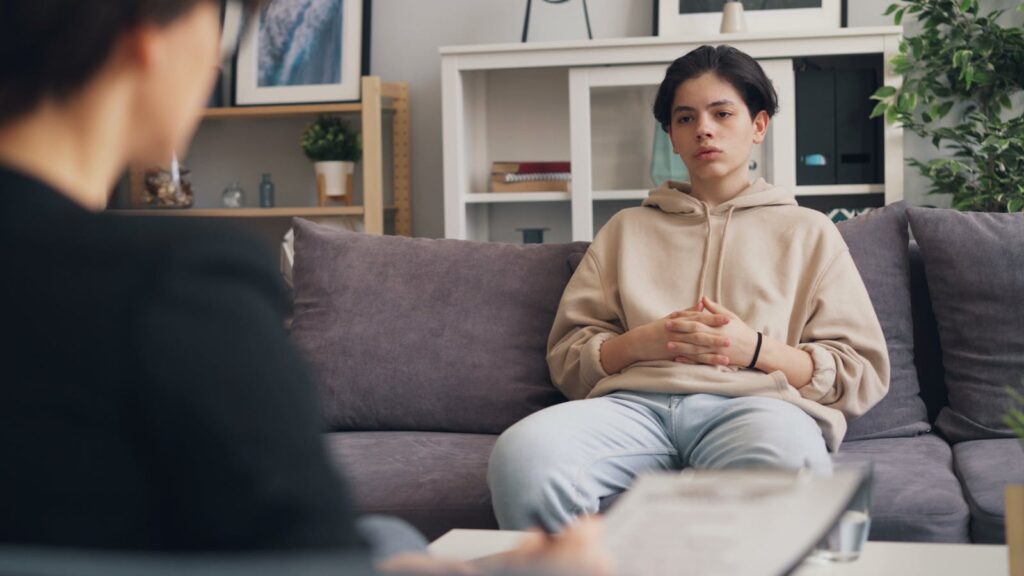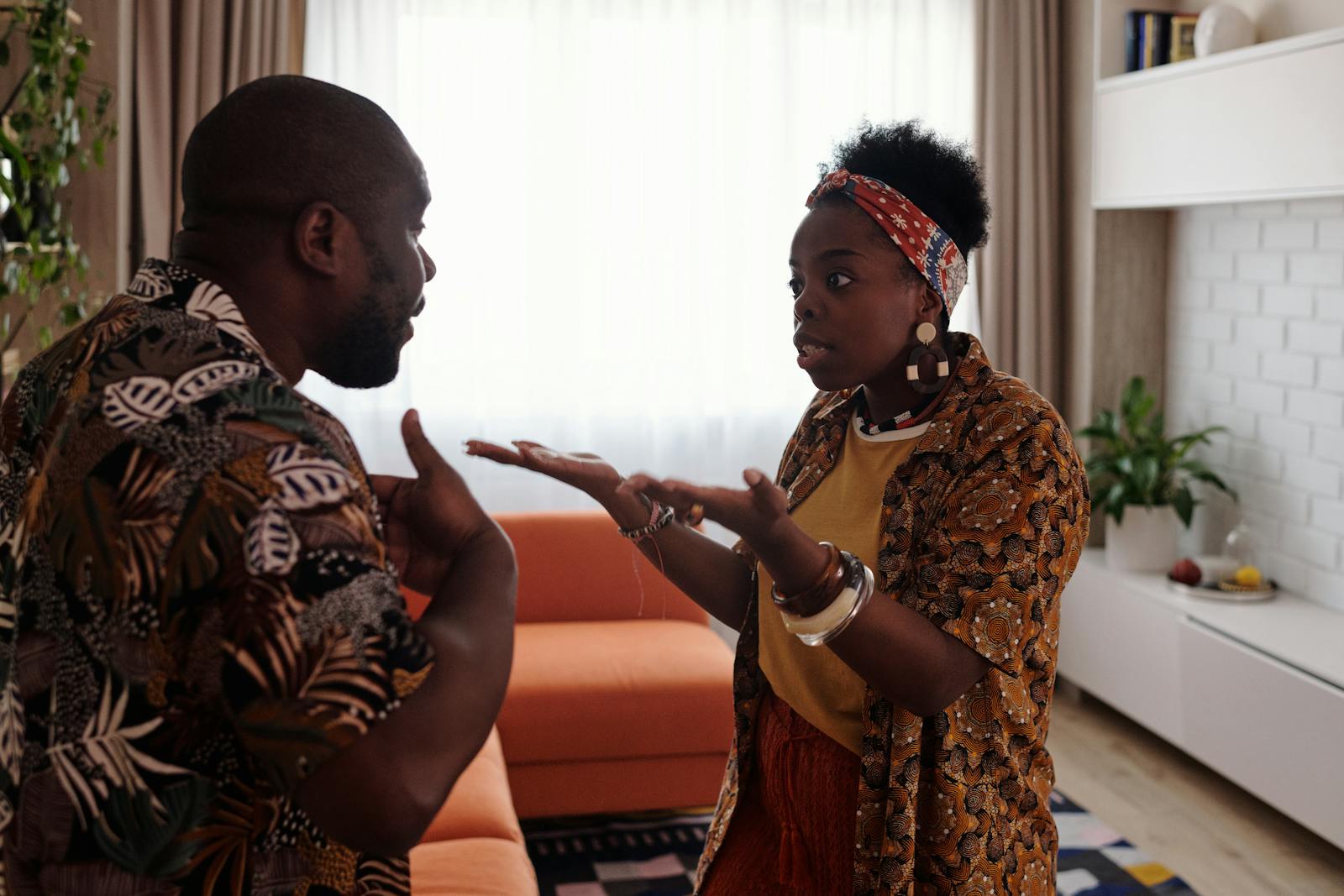
The scene is painfully familiar: a baby wails with a hot forehead, one parent paces the hallway in a panic, and the other sits on the couch, thumb lazily flicking through TikTok. When the exhausted mom in this story finally snapped and told her husband, “You just sat there and ignored her,” she was not only calling out one bad night. She was naming a pattern that parents all over the internet recognize instantly.
Her frustration sits at the intersection of two modern flashpoints: the mental load of parenting and the way phones, especially TikTok, pull adults away from their kids in the moments they need hands-on care the most.

The Night Everything Boiled Over
In her version of events, the mom had already been up for hours with their feverish baby. She had done the thermometer checks, the frantic Google searches, the back-and-forth debate over whether to call urgent care. By the time the baby’s cries turned from fussy to panicked, she was running on fumes. When she walked into the living room, she saw her husband lit by the glow of his phone, scrolling TikTok while their child screamed in the next room.
Her accusation, that he “just sat there and ignored her,” was less about that single minute and more about the invisible tally in her head. She was the one tracking the medication schedule, watching the congestion, and worrying about whether the baby’s breathing sounded off. Parents in one newborn forum describe almost identical nights, including a poster whose “5week old baby” was sneezing, congested, and clearly unwell while her partner brushed off her concerns and kept watching videos, a story shared in a thread titled “I hate Tik Tok and my husband’s stubbornness” that can be found through one Reddit link.
In the heat of that kind of night, a phone is not just a phone. It becomes proof, at least to the parent doing the heavy lifting, that they are alone in the crisis.
Digitally Distracted Parenting Is Not Just “One Bad Dad”
Researchers and commentators have started using the phrase “digitally distracted parenting” for the way phones, apps, and streaming can quietly swallow the attention that used to go to kids. One analysis describes it bluntly as a “modern day hang up,” pointing out that digitally distracted parenting has become common enough to earn its own term.
On social platforms, parents have been calling this out for years. A widely shared clip of a mom talking about “men’s parenting skills” went viral after she bluntly described the gap between how mothers and fathers often show up with their kids, a moment that was circulated through a video labeled as a video transcript featuring Jan and the words Out and Because in the on-screen text. In that clip, the frustration is not that fathers do nothing at all. It is that they often feel entitled to opt out at the exact moments when kids are hardest and mothers are most tired.
The husband in the fever story might insist he was “right there on the couch.” For the mom, presence without attention feels like absence, especially when the baby is burning up and she is the only one moving.
The Mental Load That No One Sees
Her outburst also sits squarely inside what many mothers now call the mental load. One explainer describes this as the constant background process of managing school emails, planning meals, scheduling childcare, and keeping the home running, all while still doing a full share of hands-on care. A recent group chat aimed at mothers spells it out: the default parent is the one “managing school emails, planning meals, scheduling childcare, and keeping the household running behind the scenes,” a description highlighted in a clip that begins with the line “Why does the mental load of parenting so often fall on moms?” and tells parents “You’re not failing, you’re parenting inside a broken system,” which is shared through one Instagram post.
In that context, the husband’s TikTok habit is not just annoying. It confirms that he trusts her to carry the logistics of their daughter’s health, while he reserves the right to tap out. Another video on the same theme talks about “the mental load of housework and childcare” and how there is “a popular narrative, coined by the modern generation of mothers,” around this imbalance, a framing captured in a discussion that starts with the word “There” in its description and is available through a video explainer.
For the mom with the feverish baby, that invisible work looked like noticing the first sneeze, counting the hours between doses, and listening for changes in the baby’s cry. Her husband’s choice to keep scrolling told her he did not feel responsible for any of that.
More from Decluttering Mom: