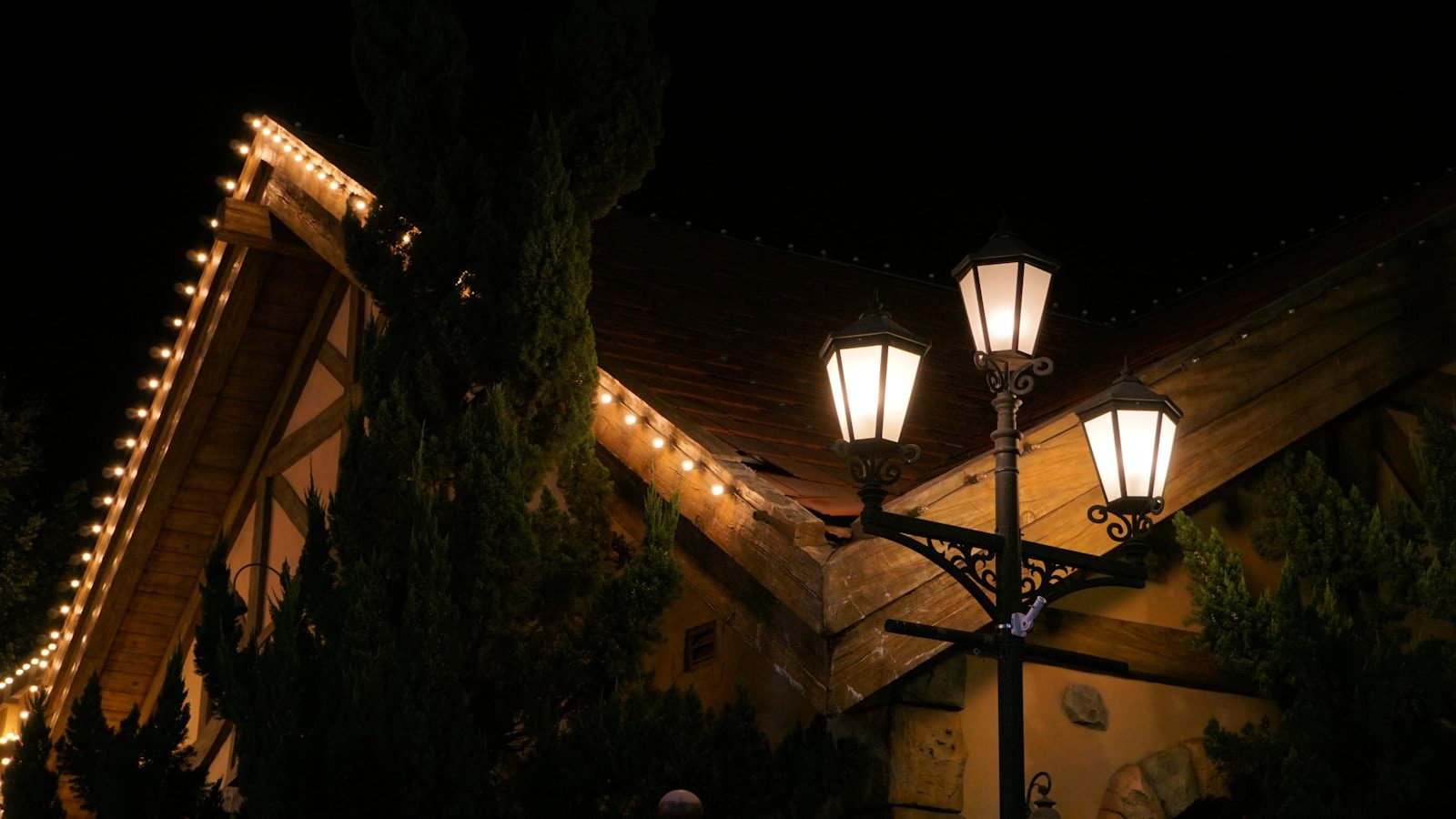
If you want to elevate your patio in 2025, the outdoor lighting trend experts agree will dominate is smart, color-changing LED systems combined with energy-efficient technology. These flexible lighting setups let you customize colors and brightness to match any mood or occasion, bringing both style and function to your outdoor space.
This trend goes beyond simple illumination, giving you the power to control your patio’s ambiance from your smartphone or voice assistant. You can create cozy, warm tones for relaxing evenings or vibrant colors for gatherings without rewiring or complicated installations.
Adding smart lighting also means you save energy through motion sensors and automation, making your patio both beautiful and sustainable. You’ll enjoy a modern look, improved convenience, and security all wrapped into one smart system.
The Outdoor Lighting Trend That Will Dominate 2025 Patios
In 2025, outdoor lighting is moving beyond simple functionality to become a key feature in your patio’s design. The trend combines natural forms, smart technology, and layered lighting to create inviting, stylish spaces. This approach balances beauty, sustainability, and customization.
Expert Predictions for Patio Lighting
Industry experts agree that layered lighting will define patios in 2025. This means combining ambient, task, and accent lighting to create a dynamic, flexible outdoor environment. Designers like Grace Denniston and Mark Tremblay emphasize the use of cordless, rechargeable lamps alongside architectural fixtures to enhance versatility.
Expect to see biophilic design elements influencing fixture shapes and finishes, with natural textures like rattan and wood gaining popularity. Smart controls, including voice activation and app management, will make it easier for you to customize light intensity and color right from your phone.
Why This Trend Is Set to Take Over Outdoor Spaces
This trend is gaining momentum because it offers both style and function in ways older lighting plans can’t match. The use of layered lighting creates depth, providing comfort for different activities from dining to relaxing.
Materials are a big part of the appeal. The blend of weatherproof natural and luxury materials means you get elegant fixtures that withstand outdoor conditions without looking industrial or harsh. You also benefit from energy-efficient LED systems and solar options that reduce your carbon footprint while brightening your space.
Key Benefits for Homeowners
By adopting these outdoor lighting solutions, you can expect several advantages:
- Enhanced ambiance: Layered lighting lets you shift mood and activity focus easily.
- Increased flexibility: Portable and cordless lamps allow you to rearrange your setup anytime.
- Smart control: Adjust brightness and color to suit occasions, all remotely.
- Sustainability: Solar and low-energy LEDs cut costs and impact.
- Elevated aesthetics: Materials and nature-inspired designs blend your lawn with your home style, boosting curb appeal.
With these benefits, your patio becomes a true extension of your living space, combining comfort, sophistication, and eco-consciousness seamlessly.
Layered Lighting: The Foundation of Modern Outdoor Design
Creating an inviting and functional outdoor space relies on the thoughtful use of different lighting types. By mixing various layers of light, you can draw attention to key features, ensure safety, and set the perfect mood for your patio. The choice and placement of fixtures play a crucial role in achieving this balance.
Overview of Layered Lighting Techniques
Layered lighting combines three main types: ambient, task, and accent lighting. Ambient lighting provides general illumination, softly brightening your outdoor area to make it comfortable and usable at night.
Task lighting focuses on specific activities, like grilling or reading, ensuring you have the right brightness where you need it most. Accent lighting highlights key landscape elements, such as trees, sculptures, or water features, adding visual interest and depth.
Blending these techniques enhances both the practicality and beauty of your outdoor space. You avoid harsh shadows and overly bright spots, creating a more natural, welcoming atmosphere.
Combining Ambient, Task, and Accent Lighting
Start with ambient lighting as your base—it sets the overall tone and safety level for your patio or yard. Popular ambient options include wide-beam floodlights, string lights, and wall sconces that cast a gentle glow.
Task lighting should be strategically placed near cooking areas, seating spaces, or walkways. Adjustable fixtures or focused spotlights work well here, delivering clear, directed light for specific functions.
Accent lighting adds drama and character. Use it to illuminate architectural details, plants, or water elements. Low-voltage LED spotlights or uplights are excellent choices for accentuating shapes and textures without overwhelming the surroundings.
The key is balance. You want to ensure every layer works together, enhancing your outdoor experience without competing for attention.
Popular Layered Lighting Fixture Choices
Choosing the right fixtures makes layering easier. For ambient lighting, consider string lights or wall-mounted lanterns; they provide a broad, soft glow that enhances the entire space.
Task lighting often involves adjustable floodlights or pendant lights over dining tables and grilling stations. These fixtures offer focused illumination where you need it.
When adding accent lighting, LED spotlights, shadow-casting lanterns, and in-ground uplights are popular. They can highlight textures and features with subtlety. Solar-powered options are also gaining popularity for their sustainability and easy installation.
Mixing these fixtures allows you to customize your patio’s look while addressing different lighting needs efficiently.
Smart Outdoor Lighting: Technology Meets Convenience
Your patio lighting can now be smarter and more adaptable than ever before. With modern outdoor lighting solutions, you gain real control, from your phone to automated sensors, making your space safer and more enjoyable while saving energy.
Wi-Fi and App Integration
Wi-Fi-enabled outdoor lighting lets you control your fixtures remotely using smartphone apps. This means you can turn lights on or off, adjust brightness, and even change colors without leaving your seat. Many systems also support voice commands through smart assistants like Alexa or Google Assistant, adding another layer of convenience.
Apps often let you create custom lighting scenes perfect for different occasions, such as intimate dinners or lively gatherings. These controls are user-friendly, allowing you to manage multiple lights individually or as groups. Plus, real-time alerts can notify you if a light is turned on unexpectedly, adding a security benefit.
Motion Sensors and Automation
Motion sensors are a convenient addition to smart outdoor lighting, especially for security and energy savings. These sensors detect movement and trigger lights to turn on automatically, deterring intruders and illuminating your path without manual effort.
You can customize sensor sensitivity and set timers for how long the lights stay on. Automation options might include dimming lights during late hours or activating only specific zones based on activity. This feature ensures your outdoor lighting remains functional and efficient while reducing unnecessary energy use.
Energy Efficiency and Scheduling
Energy efficiency is a major benefit of smart outdoor lighting solutions. Many systems work with LED bulbs and solar power, minimizing electricity consumption. By scheduling lights through apps, you can set exact times for your patio lights to operate, avoiding wasted power.
Scheduling also lets you align lighting with sunset times or your lifestyle, turning lights off when not needed. Some advanced solutions adjust brightness based on ambient light, optimizing energy use throughout the evening. These features help lower utility costs while keeping your outdoor space perfectly lit.
LED Lighting Takes Center Stage
LED technology is reshaping how you light your patio by offering efficient, customizable, and design-friendly options. Bright, energy-saving LEDs make it easier to highlight features and set the perfect mood with adaptable colors and dimming options.
Advantages of LED Technology
You’ll find that LED lighting uses far less energy than traditional bulbs, which helps reduce your electricity bills and environmental impact. With lifespans often exceeding 25,000 hours, LEDs need fewer replacements, saving you time and money.
Their durability is top-notch—they handle outdoor conditions like moisture and temperature changes better than many other lighting types. Plus, LEDs emit less heat, making them safer around areas where you relax or gather.
You can expect immediate full brightness with no warm-up time, so your patio is perfectly lit the moment you switch the lights on. This quick response pairs perfectly with motion sensors and smart systems to make your outdoor space both efficient and secure.
Color-Changing and Dimmable LEDs
LEDs bring flexibility to your patio lighting with color-changing capabilities that let you tailor the ambiance to any season or event. Whether you want warm, cozy tones for a chilly evening or vibrant hues for a party, RGB LEDs provide countless options.
Dimming functionality gives you complete control over brightness, allowing you to create subtle lighting for intimate settings or brighter illumination for practical purposes like cooking or cleaning outdoors.
Through smartphone apps or voice control, you can adjust colors and dimming levels easily, without leaving your seat. This kind of customization makes your outdoor lighting both fun and functional, adapting instantly to your needs.
Integrating LEDs Into Patio Designs
When you integrate LED fixtures into your patio, think about highlighting architectural elements like columns, walls, or steps. Uplighting can emphasize textures while path lights improve safety.
LED strips installed under railings or benches add a modern touch, creating a gentle glow that defines spaces without overwhelming them. You might also consider solar-powered LED fixtures if running wires is difficult, gaining the benefits of easy installation and sustainability.
Selecting sleek, weather-resistant designs ensures your lighting not only performs well but complements your overall outdoor aesthetic. With LEDs, you have powerful tools to enhance both the beauty and functionality of your patio space.
Creative Outdoor Lighting Fixtures and Artistic Designs
When updating your patio lighting, consider options that add visual interest and elevate the space beyond simple illumination. Unique fixtures and thoughtful designs can transform your outdoor area into a captivating environment, blending function with artistic appeal.
Shadow-Casting Lanterns for Visual Drama
Shadow-casting lanterns are a clever way to add depth and intrigue to your outdoor lighting. These fixtures use intricately cut patterns or latticed metal to project delicate, shifting shadows on surrounding surfaces.
You can place them along pathways or near seating areas to create a cozy, mysterious atmosphere after dark. They’re especially effective when combined with warm-toned LED bulbs, which enhance the texture of your patio features.
With options ranging from classic metal designs to modern geometric styles, these lanterns not only illuminate but also contribute to the artistic character of your patio.
Floating LED Orbs and Embedded Glow Stones
For a modern, whimsical touch, floating LED orbs and embedded glow stones offer a unique lighting solution. Floating orbs can be placed in water features or around lounge areas to provide soft, ambient light that gently shifts colors.
Embedded glow stones, on the other hand, are set into patios, walkways, or garden beds, providing subtle illumination from ground level. These lights are low-profile but highly effective in guiding movement and enhancing the texture of outdoor surfaces.
Both options use durable, weather-resistant materials, making them ideal for year-round use without heavy maintenance.
Minimalist and Sculptural Fixture Styles
If you prefer a clean, understated look, minimalist fixtures with sculptural qualities might fit your design goals. These lighting solutions tend to feature sleek lines and geometric forms that complement modern patio designs.
Often made from metals like stainless steel or aluminum with matte or brushed finishes, these fixtures blend seamlessly into your outdoor space. They focus on precise illumination with minimal visual distraction.
Beyond function, these fixtures act as art pieces of their own, challenging the idea that outdoor lighting is purely practical. You can use them to highlight architectural details or create subtle focal points on your patio.
Landscape and Garden Lighting for Enhanced Ambiance
Creating a warm, inviting outdoor space means balancing function and style. This involves carefully lighting pathways, natural features, and integrating sustainable choices that align with your landscape design.
Highlighting Pathways and Natural Elements
Lighting your pathways isn’t just about safety—it sets the mood as you move through your yard. Use low-profile LED path lights to softly illuminate walkways without overpowering the space. Consider fixtures with adjustable brightness or color options for added flexibility.
Focus on directional lighting to avoid glare and highlight textures like stone or wood. Motion sensors can add convenience and energy savings by activating only when needed. Position lights to emphasize garden edges or steps, guiding guests smoothly through your outdoor area while enhancing the overall aesthetic.
Garden Bed and Tree Lighting Techniques
Illuminate your garden beds and trees with uplighting and accent lighting to create depth and drama. Spotlights work well to focus on specimen plants or architectural trees, drawing attention to their structure and foliage.
You can mix warm white LEDs with subtle color-changing smart lights to add personality and adapt your garden’s look for different occasions. Use waterproof, durable fixtures rated for outdoor use to ensure longevity. Placing lights at varying heights can add layers, improving visual interest and making your garden feel more expansive after dark.
Blending with Sustainable Landscaping
Your lighting choices should complement not just the look but also the eco-friendly goals of your outdoor space. Opt for solar-powered garden lights or energy-efficient LEDs to reduce power consumption.
Dark-sky compliant fixtures help prevent light pollution, keeping your outdoor space cozy without disturbing wildlife or neighbors. Timers and smart controls give you the freedom to automate lighting schedules, ensuring your outdoor lighting plan is both beautiful and energy-conscious. Sustainable choices make it easier to maintain your garden’s natural balance while brightening your evenings.
Expert Tips for Designing Your 2025 Patio Outdoor Lighting Plan
Designing effective outdoor lighting requires you to consider your patio’s specific functions, balance different light sources, and plan for the future. Thoughtful decisions about fixture types, placement, and upgrades ensure your patio remains attractive and practical through changing needs and seasons.
Assessing Your Patio’s Unique Needs
Start by identifying how you’ll use your patio after dark. Do you want bright task lighting for dining or food prep? Or soft ambient light for relaxing evenings? Knowing this upfront helps you pick fixtures and brightness levels that fit your lifestyle.
Take note of key features you want to highlight, such as plants, pathways, or architectural details. Also consider safety—places where stairs, edges, or uneven surfaces need clear illumination. Keep in mind your local climate when choosing materials and finishes that stand up to weather.
Ask yourself these questions:
- What are the main activities on your patio after sunset?
- Where do you need focused or accent lighting?
- How much maintenance are you willing to do for your fixtures?
This assessment forms the blueprint for an outdoor lighting plan tailored to your space.
Layering Light for Balance and Beauty
Layered lighting combines ambient, task, and accent sources to create depth and versatility. Instead of relying on a single fixture, mix multiple light types to sculpt your patio’s atmosphere.
Ambient lighting, like softly glowing lanterns or wall sconces, sets a cozy background. Task lighting, such as pendants over a dining table or portable lamps near seating, provides clear visibility where you need it. Accent lighting, like uplights on trees or recessed fixtures in planters, adds drama and highlights the landscape.
Using rechargeable, cordless lamps can add flexibility, allowing you to rearrange lights seasonally or use them where wiring isn’t practical. Remember, adjusting color temperature and dimming features helps you fine-tune moods from lively gatherings to quiet nights.
Long-Term Planning and Phased Installations
Outdoor lighting doesn’t have to be completed all at once. Planning in phases makes it manageable and allows you to upgrade as new trends or technologies emerge.
Start with a solid foundational layout—basic ambient lighting and critical safety fixtures. Then add layers like accent and task lighting over time. This approach spreads out costs and lets you test what works best for your space.
Choose wiring and control systems now that can accommodate future expansions. Smart lighting with app integration or voice activation is worth considering early. These systems also offer energy savings and increased control.
Remember to select durable materials and finishes that will last, reducing the need for frequent replacements as you build out your lighting plan.