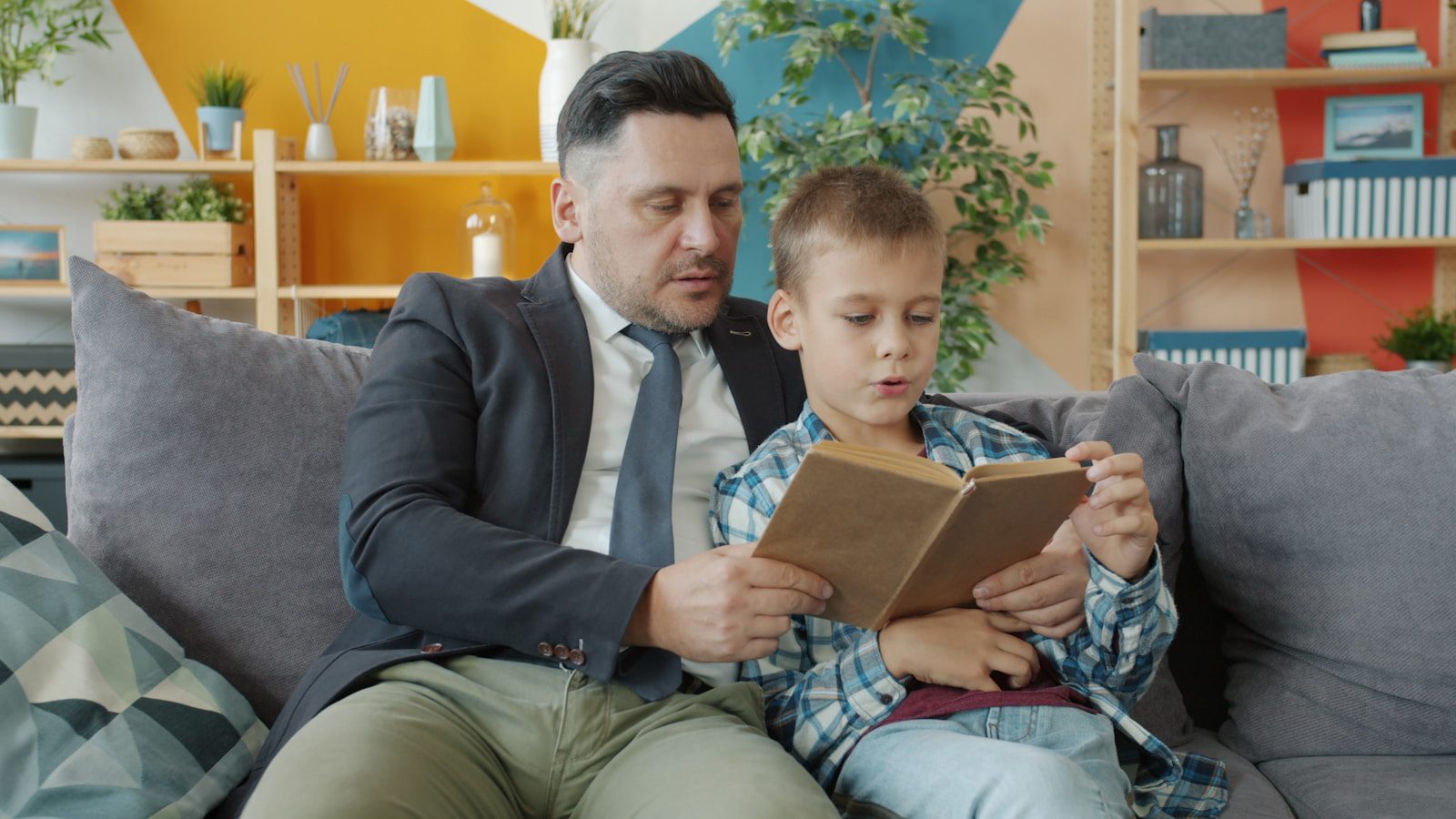
Parents are hearing a clear message from experts right now: kids do best when life feels predictable, but not micromanaged. Structure gives children a sense of safety, while freedom gives them room to explore who they are. That balance is pushing many families to rethink packed schedules, strict rulebooks, and the idea that good parenting always looks busy.
Across social feeds, school parking lots, and group chats, caregivers are comparing notes and quietly rewriting their routines. Rather than chasing perfection, more families are asking how to protect kids’ mental health, attention, and curiosity at the same time. The answer, researchers and parenting specialists say, lies in that sweet spot between steady rhythms and genuine breathing room.
Why routine still matters for growing brains
Development specialists keep coming back to one basic truth: predictable rhythms calm kids’ nervous systems. When days follow a loose script, Children know what comes next, which lowers anxiety and makes it easier to handle transitions like leaving the playground or turning off a show. Clinicians in Seattle point out that Kids who feel grounded in their home life can regulate emotions better and bounce back from stressful events, simply because the daily scaffolding around them does not constantly shift.
Researchers have linked that kind of predictability to concrete skills, not just a vague sense of comfort. One Study found that consistent mealtimes and other daily routines were tied to stronger time management and attention, as well as better friendships and involvement in activities outside school. Pediatric teams describe how Growing up with structure helps children practice small responsibilities, like packing a backpack or brushing teeth without reminders, which builds confidence over time. The message is not that every minute needs a color coded chart, but that kids thrive when there is a reliable backbone to the day.
Freedom, “slow parenting,” and the new boundaries with empathy
At the same time, families are pulling away from the idea that constant activity is a badge of honor. Parenting commentators like Jan describe how feeds are now full of parents talking about “simple childhood” or “slow parenting,” reflecting a shift away from hustle culture in family life that Jan captures in a widely shared piece on Gone trends. Instead of racing from robotics club to travel soccer to piano, more parents are carving out unscheduled afternoons where kids can get bored, argue with siblings, and invent their own games in the backyard.
That instinct lines up with research on unstructured time. In one study of school age children, scientists examined how much of a child’s week was tightly organized and how much was flexible, then used a verbal fluency task to measure self directed thinking. They found that kids with more free, less adult directed time showed stronger self directed executive, while those whose days were heavily scheduled had poorer self directed executive functioning. The takeaway is not that structure is harmful, but that when adults script every block on the calendar, kids miss chances to practice making their own choices, solving boredom, and managing small risks.
Parents are also rethinking what “gentle” should look like. Articles on 2026 trends describe a move toward Authoritative 2.0 parenting, sometimes called “boundaries with empathy.” The idea is simple: adults stay warm and validating while still being clear about limits. Instead of barking “No more screens, you are being ridiculous,” a parent might say, “You are really disappointed that Minecraft time is over, that makes sense, and screen time is done for today.” Jan highlights this kind of script, where a caregiver acknowledges the feeling then calmly holds the line, in a discussion of how Dr. experts coach parents.
That shift is partly a reaction to what one trend piece bluntly calls Extreme Permissive Gentle Parenting. For a stretch, some families heard “gentle” and dropped almost every boundary, worried that firm rules would damage attachment. Commentators now argue that kids actually feel safer when parents act as a “secure leader,” which means saying no to one more YouTube video while still caring about the tears that follow. Parenting coaches describe this as the difference between being a buddy and being a guide. Children can have the freedom to play, explore, and make age appropriate mistakes, but they still rely on adults to protect sleep, school readiness, and basic health.
The same balance is showing up in how parents handle tech and over scheduling. Analysts point out that the book The Anxious Generation has pushed many caregivers to delay smartphones, restrict social media, and prioritize Key real world bonds over endless scrolling. Parenting writers describe how Families are getting smarter about screens and social media, drawing clearer boundaries to protect kids’ attention and mental health, while also dialing back the “Constant go go go” activity load that Cameron Caswell warns can shorten focus, lower mood, and disrupt sleep in a widely cited quote on Constant busyness. In this new era, parents are encouraged to treat structure as a supportive frame and freedom as the space where kids’ personalities, interests, and resilience can actually grow.
More from Decluttering Mom: