


When it comes to selling your home, you might think that making some high-end upgrades would increase its value. However, not all upgrades are created equal, and some can even decrease your home’s value or fail to provide a good return on investment.
As a homeowner, it’s crucial to know which upgrades to avoid before putting your house on the market. Let’s dive into some of the costly design upgrades that experts warn could hurt your chances of selling your home for a good price.
1. Installing a Swimming Pool

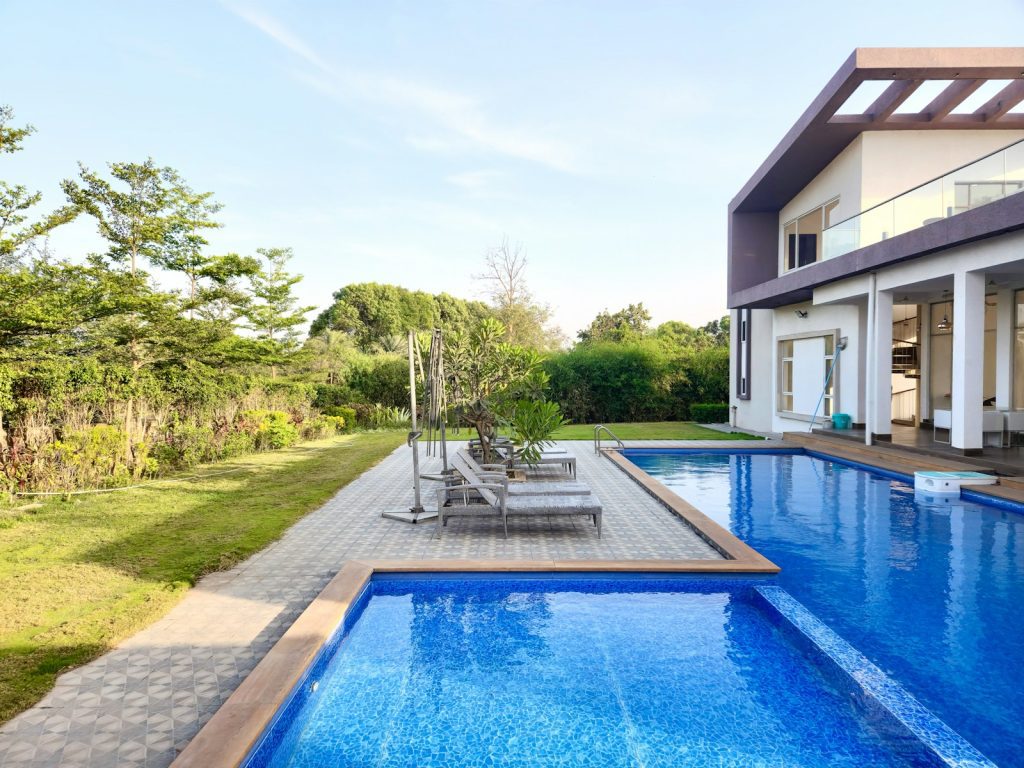
While a swimming pool might seem like a luxurious addition, real estate expert Randal Thomas warns that it can actually decrease the value of a home in certain markets. According to Thomas, the ongoing maintenance required for a pool can be a deterrent for potential buyers, especially in areas where pools are not common or necessary amenities. Therefore, before investing in a pool, consider your local market and whether a pool would be a desirable feature for potential buyers.
Moreover, the installation of a swimming pool can be a lengthy and disruptive process, which can be off-putting to potential buyers. The construction can take several weeks or even months, during which time the backyard can be rendered unusable. Additionally, safety concerns can also deter buyers, especially those with young children. The Centers for Disease Control and Prevention reports that drowning is the leading cause of unintentional death for children aged 1-4, which can make a pool a liability rather than an asset.
2. Master Suite Addition

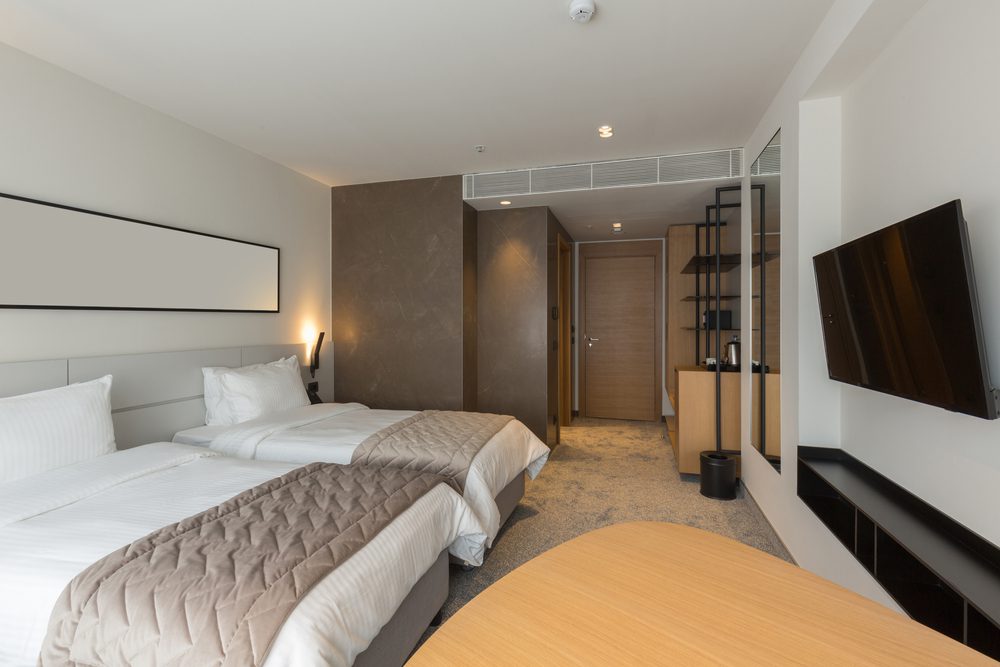
Adding a master suite to your home might seem like a surefire way to increase its value, but a study from the National Association of Realtors found that this upgrade can only recoup about 53% of its cost at resale. This is likely because a master suite addition is a significant and costly project, and not all buyers are willing to pay extra for this feature. Instead of a full suite addition, consider smaller upgrades to the existing master bedroom or bathroom that could make the space more appealing to buyers.
Furthermore, the process of adding a master suite can be invasive and time-consuming. It often involves significant structural changes, such as knocking down walls and rerouting plumbing and electrical systems. This can lead to a lengthy period of disruption, which can be a turn-off for potential buyers. Additionally, the added square footage can result in higher property taxes, which can further decrease the appeal of a master suite addition.
3. Adding a Media Room

With the rise of home entertainment, you might think that a media room would be a desirable feature for home buyers. However, a survey conducted by Zillow found that 75% of buyers would not pay extra for a home with a media room, viewing it as a waste of space. Instead of dedicating a whole room to media, consider creating a flexible space that can be used for various purposes, such as a home office or a guest room.
Another factor to consider is the rapid pace of technological change. The equipment and technology that make up a media room today may become outdated in a few years, making the room less appealing to future buyers. Furthermore, the cost of maintaining and upgrading the equipment can be substantial, which can further decrease the room’s appeal. Instead of a dedicated media room, a multi-purpose room that can adapt to changing needs and trends may be a more attractive feature for buyers.
4. Upscale Kitchen Remodel

An upscale kitchen remodel might seem like a good investment, but a report from Remodeling Magazine showed that this costly project can only recoup 54% of its cost at resale. While a modern, high-end kitchen might be appealing to some buyers, not all are willing to pay a premium for this feature. Instead of a full remodel, consider making smaller upgrades that can freshen up the kitchen without breaking the bank.
Additionally, an upscale kitchen remodel can be a risky investment because tastes in kitchen design can vary widely. What one homeowner considers high-end and stylish, another might see as over-the-top or not to their taste. This can make it harder to recoup the investment when it comes time to sell. Furthermore, a high-end kitchen remodel often involves expensive materials and appliances, which can increase the risk of damage or malfunction, leading to potential additional costs down the line.
5. Wall-to-Wall Carpeting
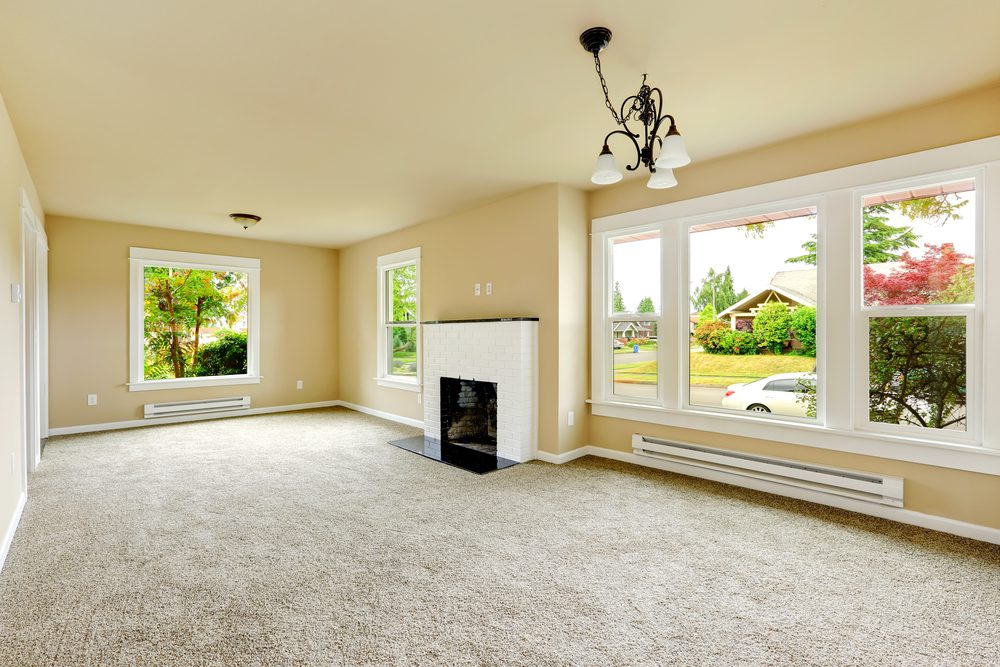
Wall-to-wall carpeting might seem like a comfortable and cozy option, but interior designer Lisa Patterson advises sellers to avoid this upgrade. According to Patterson, many buyers prefer hardwood floors and see carpet as a sign of outdated design. If you’re considering new flooring, hardwood or laminate might be a better option to appeal to a wider range of buyers.
In conclusion, before making any major upgrades to your home, it’s important to consider the potential return on investment and how desirable the upgrade will be to potential buyers. By avoiding costly upgrades that don’t provide a good return, you can increase your chances of selling your home for a good price.
Another downside to wall-to-wall carpeting is the potential for allergen accumulation. Carpets can trap dust, pet dander, and other allergens, which can be a concern for buyers with allergies or asthma. Additionally, carpets require regular cleaning and maintenance to keep them looking fresh and clean, which can be a deterrent for buyers who prefer low-maintenance options. Lastly, carpets can be easily stained or damaged, which can lead to additional costs for repair or replacement.