

A fake receipt led to a real refund. That is how a local news report from @KVUETV opens, and it describes a problem that small businesses everywhere may soon face. A store in South Texas says someone used what appears to be an AI generated receipt to get a warranty refund on a purse from its distributor, and its employees are now warning other businesses to double check before they pay out.


A Small Town Store Learns a Hard Lesson
The report takes place in the town of Alice, at a Western wear store known for its small town hospitality. Employees told the reporter that they are learning a lesson about protecting the business.
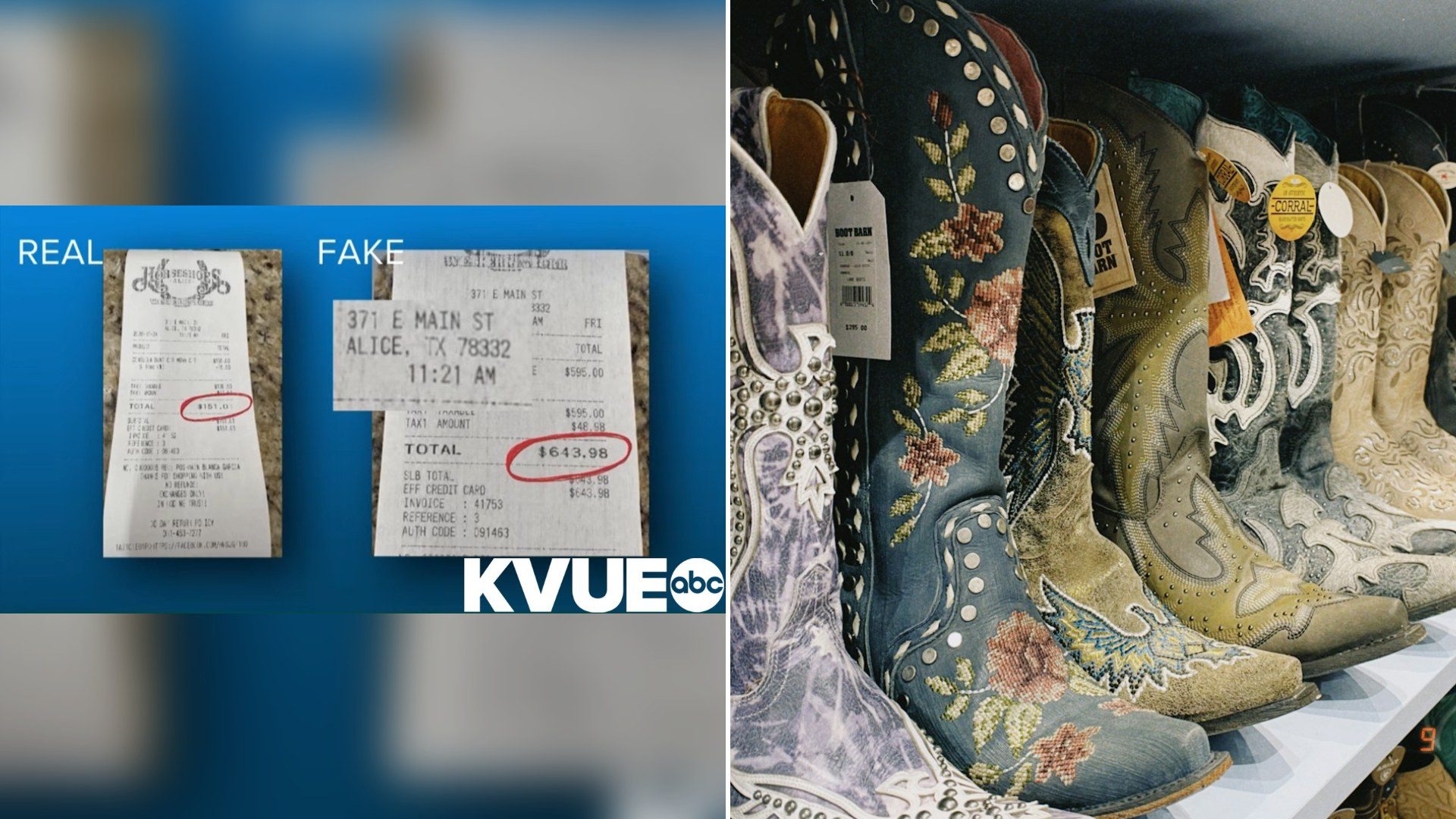
One employee said he had never seen anything like it, especially involving a product the store carries. According to the report, the store’s owner learned from a distributor that a receipt that appeared to be AI generated had been used to obtain a warranty refund for a purse. The employee said he does not know whether imitation versions of that brand exist. The refund had already been granted before anyone discovered the receipt was not real.
The news report put the real receipt and the fake side by side on screen. Looking them over, the employees found differences, including the wrong address and what one called a lot of little hiccups. Their advice, based on the experience, is to be more cautious, look closely at receipts, pay attention to systems and keep track of inventory.
The report does not say how much the refund was worth, who the customer was, whether police were notified or who the distributor is, so those details remain unknown.
Why AI Makes This Harder
A spokesperson for the Better Business Bureau told the reporter that artificial intelligence makes it easier for scammers to create convincing documents. That means a business cannot count on obvious mistakes, such as a crooked logo or a spelling error, to spot a fake. The spokesperson also said scammers want people to rush, so they do not have time to verify or ask questions. They prey on people being in a hurry.
Employees hope that sharing the story will help other small businesses. One of them said they never thought it would happen to them and did not know such a thing even existed. In their words, if it happened to them, it can happen to anybody.
What Businesses Can Do
The store’s own advice is a good starting point, and there are other steps any shop or service provider can take without much expense.
Check every receipt against your own records. A real purchase leaves a trail in your point of sale system. If a customer presents a receipt, look up the transaction number, date, amount and items. A receipt that cannot be matched to a sale in your system is a red flag, no matter how professional it looks.
Verify the details that are easy to forget. The employees in this case found a wrong address, and that kind of small error is often the thread that unravels a fake. Check the store name, address, phone number, tax amount and payment method, and compare them with a receipt you know is real.
Slow down. The Better Business Bureau spokesperson said scammers count on people feeling rushed. A polite pause to confirm details is reasonable, and a legitimate customer will usually understand.
Keep inventory records. If you carry a branded item, know which products you actually stocked and when. If a warranty claim involves something you never sold, or a version you do not carry, that is worth investigating before any money moves.
Train every employee. A new hire at the register may not know how a refund is supposed to be verified. Give staff a short written checklist, and make it clear that they are allowed to ask a manager before approving a return.
Talk to your suppliers. In this case the refund came from a distributor, so the distributor’s process matters too. Ask what proof of purchase they require for warranty claims, and whether they can confirm the sale with you before paying out.
What Everyday Shoppers Should Know
Most customers never come near a scam like this, but there are lessons for honest shoppers as well.
Keep your real receipts. Store the original paper copy or the email version in a safe place, especially for items with a warranty. A genuine receipt with the right store details makes a legitimate claim go smoothly.
Expect to be asked questions. If a store wants to confirm your purchase with a transaction number or a card used, that is not an accusation. It is a normal protection that helps both sides.
Be careful with any document that looks too perfect. If someone offers to sell you a receipt, a gift card code or a proof of purchase, walk away. Using a made up document to collect money from a business is fraud, and artificial intelligence does not change that.
Report suspicious activity. If you suspect a scam involving a store or a product, businesses can reach out to the Better Business Bureau or local law enforcement, and consumers can do the same.
A Warning Worth Sharing
It would be easy to think of this as a one time oddity in one small Texas town. The store employees clearly did not expect it, and that may be the most important part of the story. Scammers use whatever tools are cheap and fast, and AI tools can now produce a believable document in moments.
The good news is that the defenses are not complicated. Check the records, compare the details, give yourself time and ask questions. A few extra minutes at the counter can save a business far more than a purse is worth.