Illinois grows roughly a third of the nation’s pumpkin supply, and its production fell by about 30% in a single recent season, according to USDA figures reported by Investigate Midwest. That’s on top of acreage nationwide that had already contracted nearly 18% the year before it. Total U.S. pumpkin production came in at 1.44 billion pounds, a decline from the prior four-year average, per the USDA’s Economic Research Service. None of that shows up as a headline most shoppers ever see. It shows up at the pumpkin patch, where the sign at the entrance costs noticeably more than it did a couple of falls ago.
A Smaller Harvest Traces Back to Weather, Not Demand
Pumpkin vines are unusually sensitive to heat stress and heavy rain at the wrong point in the growing cycle, and both have hit major growing regions in back-to-back years. Illinois, the country’s top producer thanks largely to its processing-variety acreage, saw yield drop by more than 13,000 pounds per acre between one recent year and the next, a swing the USDA’s own data confirms is well outside normal variation. It isn’t that farmers planted less because shoppers wanted less. Demand for pumpkins has actually been climbing, with per-capita consumption rising to five to six pounds a year, up from about four pounds in the early 2000s, per American Farm Bureau Federation market research. Supply shrank while appetite grew, and that mismatch is what shows up in the price tag.
Where the Price Increase Actually Lands
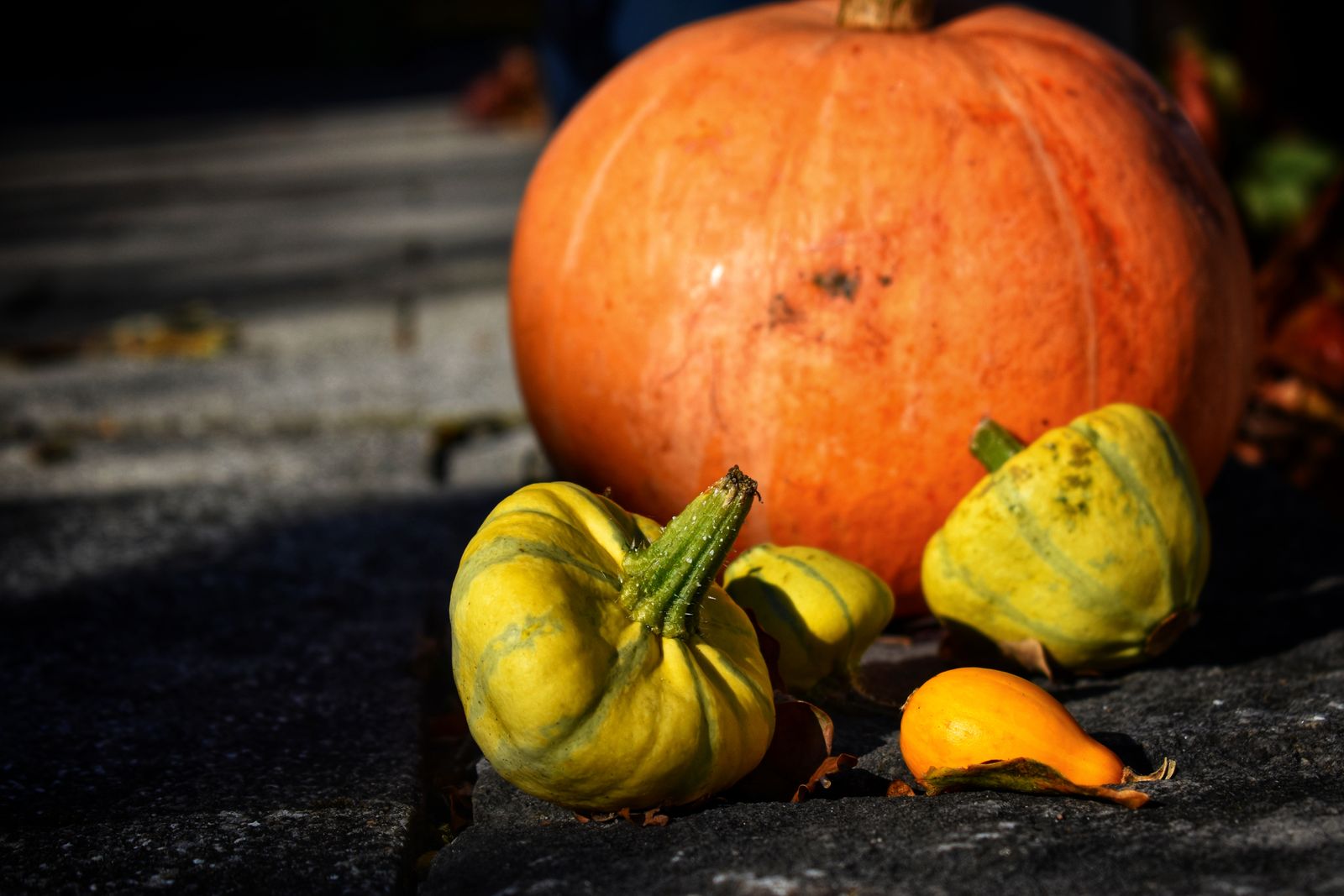
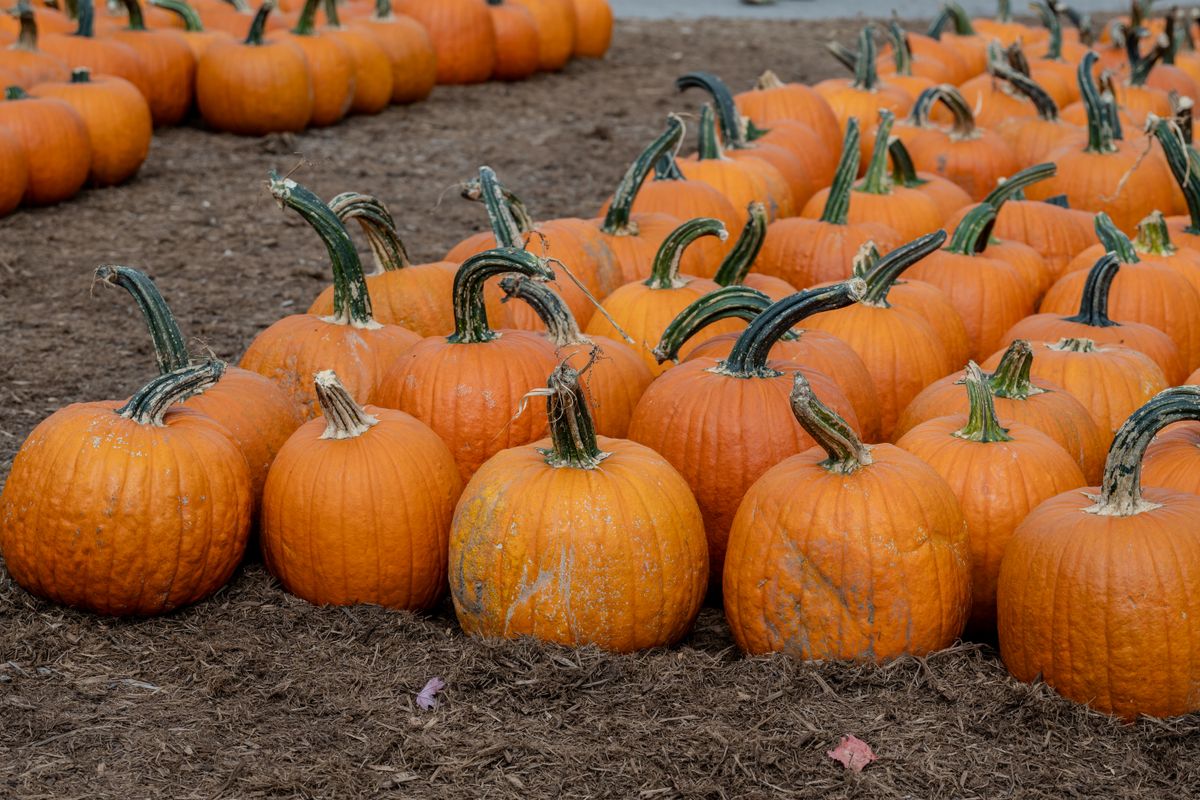
Farmgate prices for fresh, ornamental pumpkins, the kind sold whole for carving and porch displays, have been running as high as roughly $324 per thousand pounds in recent USDA reporting, well above what processing pumpkins destined for canned filling ever fetch. Retail carving pumpkins averaged north of $6 apiece at big retailers even before the most recent supply pressure, and that number tends to climb further at smaller regional patches, where transportation costs, drought-driven irrigation expenses, and thinner margins get passed straight to the customer standing at the register. A family loading up a wagon with five or six pumpkins for porch steps and jack-o’-lanterns can end up paying considerably more than they remember from a few seasons back, even without touching the corn maze or the hayride add-ons that patches increasingly rely on to make up the difference.
Why Shoppers Are Buying the Fake Ones Instead
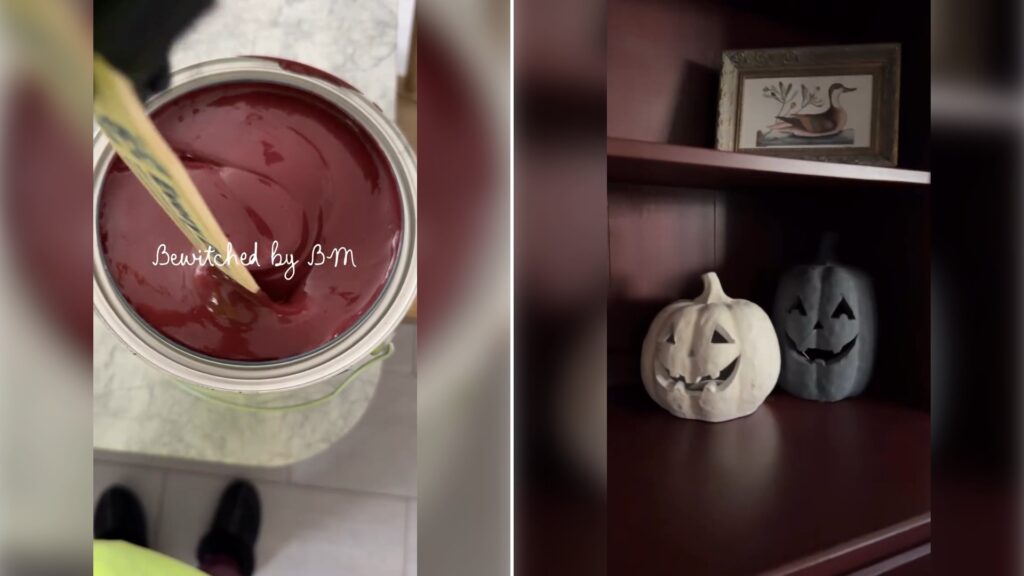
Retailers have noticed the same math consumers are doing at checkout. Craft and home-decor chains have expanded their artificial pumpkin lines every year, and the appeal is straightforward: a foam or plastic pumpkin costs money once and comes back out of storage every October at no additional charge, while a real one is a one-season purchase that has gotten pricier at the same time. For anyone decorating a porch, mantel, or entryway rather than actually carving, an artificial pumpkin that looks convincing in photos solves the sticker shock entirely. Big-box retailers now carry entire aisles of faux pumpkins in every size and finish, from matte cream to classic orange, marketed specifically as a multi-year investment rather than a seasonal one. Some of the higher-end versions even mimic the ridged texture and stem coloring of an actual field pumpkin closely enough that they photograph the same way on a porch step, which matters to shoppers decorating primarily for social media and holiday guests rather than for a jack-o’-lantern that gets tossed after two weeks anyway.
What This Means for Anyone Still Buying Real Ones
None of this means the pumpkin patch experience is going away. Families that go for the tradition, the photos, and the actual pie filling aren’t likely to swap that out for foam substitutes anytime soon. But the math behind this year’s price increase is traceable to a specific, verifiable cause rather than vague inflation talk: fewer acres, worse yields per acre, and demand that hasn’t slowed down to match. Anyone budgeting for fall decor this year should expect to pay more per pumpkin than they did even two seasons ago, and plenty of shoppers have already started deciding that a one-time purchase from the craft aisle solves the problem better than a trip to the farm.
The patch itself isn’t disappearing, but the pumpkin at the center of it is quietly becoming the more expensive half of the fall decorating budget.