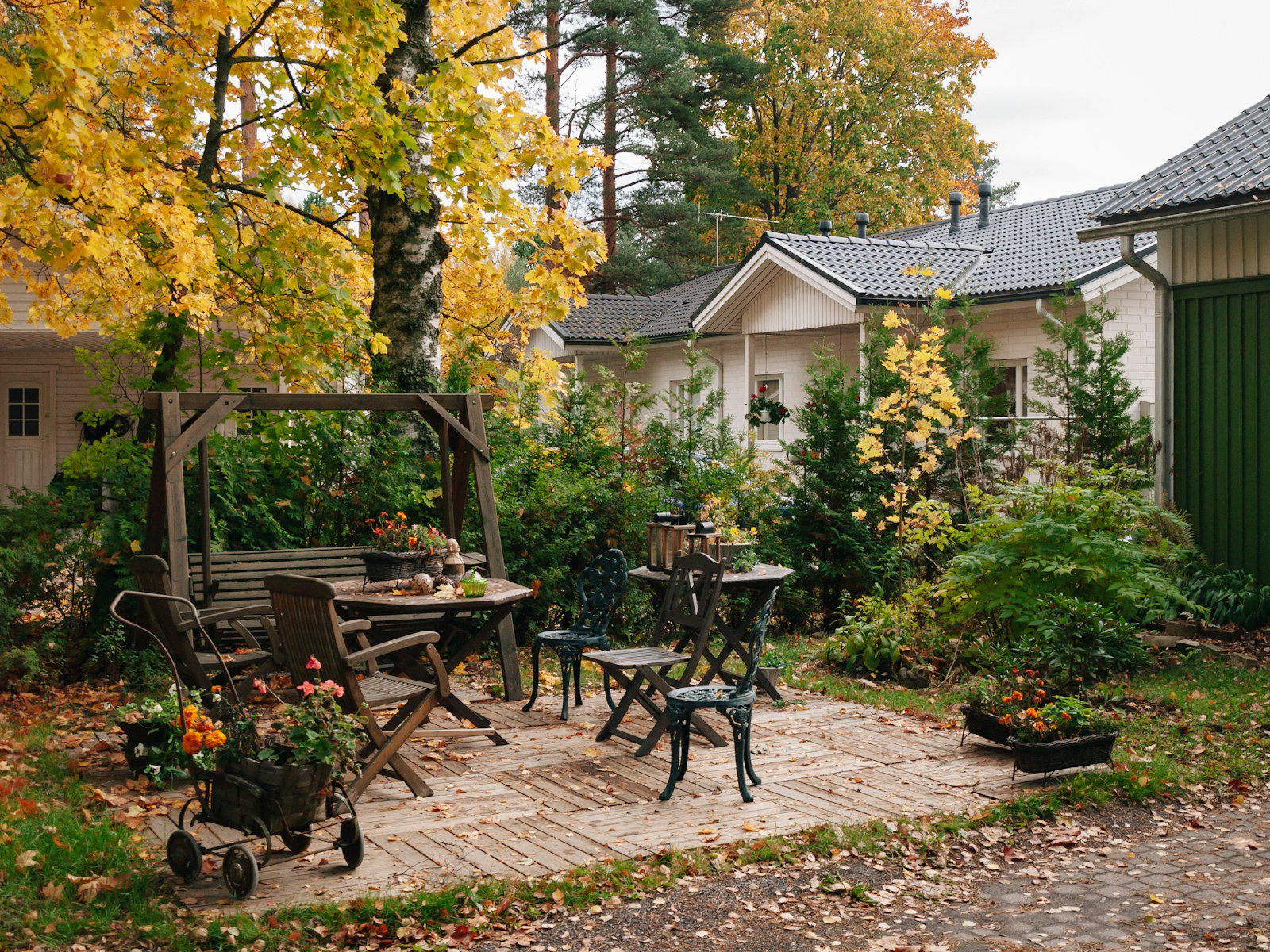
A backyard that’s done nothing but grow weeds for a decade is turning into one of the more reliable side incomes in American real estate, and the permit data backs it up. Nationwide, Shovels’ permit database has tracked 2.8 million accessory dwelling unit permits, with annual volume settling above 200,000 a year since 2022, a roughly 30-fold increase from where construction sat back in 1980. The National Association of Home Builders points to the reason behind the acceleration: 18 states have now passed laws broadly allowing homeowners to build and rent out these units, and 11 of them did it in just the past four years. What used to require a zoning variance and a sympathetic neighbor is becoming, in a growing number of cities, close to routine. That shift matters because the annual permit count, more than 200,000 a year for three straight years running, means this is no longer a niche experiment confined to a handful of coastal cities chasing a housing crisis. It’s a mainstream construction category with its own cost tiers, financing rules, and regional hot spots, tracked the same way any other segment of the housing market gets tracked.
Where the Permit Surge Is Actually Concentrated
The growth isn’t spread evenly across the map. Shovels’ data shows California alone accounts for 429,503 ADU permits since 2018, roughly 32% of the national total, with Florida a distant second at 240,143 permits, about 18%. Texas, Washington, and North Carolina round out the top five, each contributing between 6% and 8% of permits nationwide. Los Angeles County alone has approved close to 126,000 ADU permits, nearly four times the volume of the next-highest jurisdiction, Lee County, Florida. Measured against traditional single-family construction, California’s ADU activity is so heavy that the state now approves more accessory units, relative to standard new homes, than it does the homes themselves. That concentration didn’t happen by accident. California has spent the past several legislative sessions systematically stripping out the local barriers that once made ADU approval a case-by-
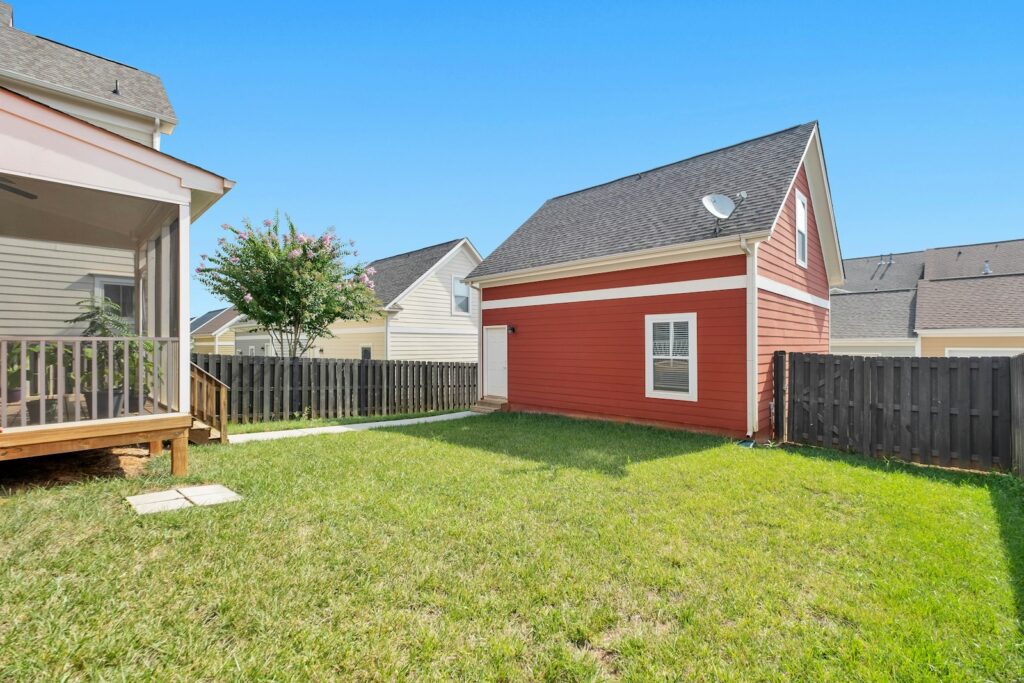
case fight, and the permit data shows homeowners responding almost as fast as the rules changed.
What Changed in the Rules
The National Association of Home Builders identifies three specific hurdles that historically kept ADU construction rare, and cities have been chipping away at all three. Owner-occupancy requirements, which forced the property owner to live on-site and blocked pure rental-investment plays, have fallen in cities including Los Angeles and Seattle, both of which saw construction increase noticeably once those restrictions were lifted. Parking mandates, which forced homeowners to choose between an ADU and off-street parking on smaller lots, have loosened in several of the newer state laws. Discretionary permitting, the slow, fee-heavy approval process that discouraged homeowners from even starting, is giving way in some jurisdictions to faster, by-right approval once a project meets code. Financing has caught up as well: NAHB notes that Freddie Mac now finances properties with ADUs across its offerings, and FHA-insured borrowers can count up to 75% of an existing ADU’s rental income, or up to 50% of a planned one’s projected income, toward loan qualification. That single financing detail changes the math for a homeowner weighing whether to build: rental income that used to sit outside a lender’s calculations now counts directly toward what the household can borrow, which is often the difference between a project that pencils out and one that stays a backyard someday-project indefinitely.
What It Actually Costs to Build One
The dollar figures vary enormously depending on what a homeowner starts with. Garage conversions, which reuse an existing structure and its foundation, run roughly $50,000 to $150,000 according to Shovels’ cost tracking. Detached new construction, built from the ground up in the backyard, runs considerably higher at $150,000 to $400,000, and prefab or modular units land in between at $100,000 to $250,000. Costs climb well past those ranges in the most expensive markets; parts of the San Francisco Bay Area see per-square-foot costs exceeding $500. Those figures explain why garage conversions remain the most common entry point for homeowners testing the idea before committing to a full detached build, since reusing an existing foundation and walls cuts out the largest cost drivers in any ground-up project.
What the permit numbers ultimately describe isn’t a trend confined to a few progressive cities. It’s a shift in how ordinary homeowners are starting to see the unused corner of their own lot, not as dead space to eventually landscape, but as square footage that pays for itself once the paperwork stops standing in the way.