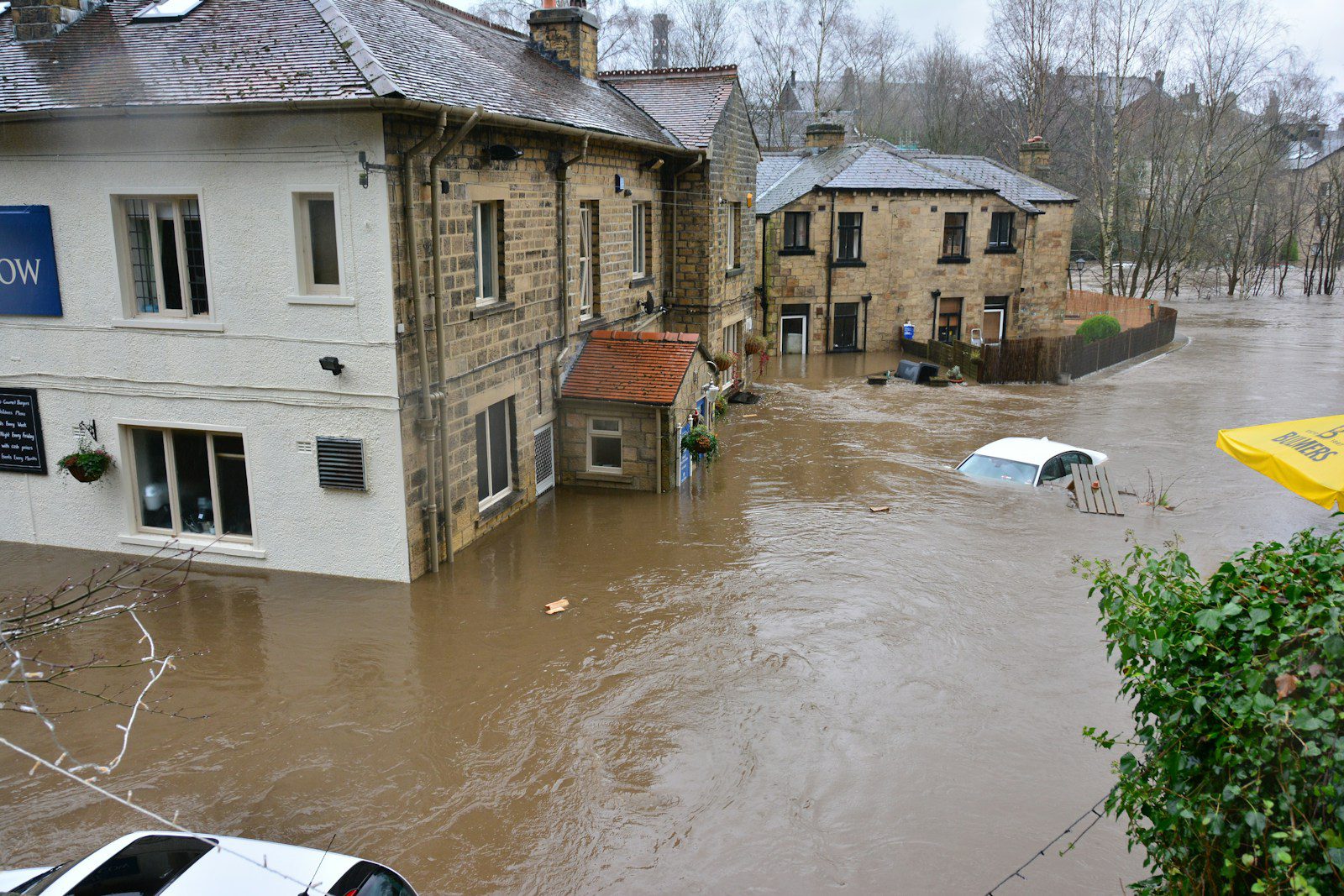
Seawater pushed into ground-floor rooms in Seal Beach, California this week as swells from Tropical Storm Marie slammed the Southern California coastline, and forecasters say hazardous surf isn’t finished yet.
How Bad The Flooding Got
Marie, which peaked as a hurricane before weakening offshore, sent waves as high as 10 to 12 feet into the coast, according to Forbes and weather.com. In Seal Beach, surge topped a two-and-a-half-foot beach wall and reached roughly four blocks of homes, with about 100 residences taking on water, CBS News reported. One home along the affected stretch took on about a foot of seawater across the house, garage, and carport.

Long Beach saw comparable damage. Eight-foot sand berms built to hold back the surf washed away entirely, and water backed up through storm drains clogged with sand, flooding several residential blocks and filling garages with several inches of water, according to ABC7 Los Angeles. Lifeguards pulled people off the boardwalk as conditions turned dangerous, and crews later brought in portable pumps to clear standing water from flooded streets.
What’s Still Coming
High surf advisories stayed in place across Los Angeles and Orange counties into this week, with beach hazard warnings stretching south to San Diego and north through San Luis Obispo County. CBS News reported that officials expect dangerous, life-threatening surf and rip currents to continue for several more days even as Marie itself moves further out to sea. Piers in Malibu and Port Hueneme both lost pilings to the pounding surf, a sign of how much force is still reaching the shoreline days after the storm passed offshore.
Ferry service to Santa Catalina Island was suspended as swells made the crossing unsafe, and beaches up and down the Southern California coast were closed to swimmers while lifeguard agencies monitored conditions. Crews in Seal Beach hurried to build a six-foot sand berm to protect remaining homes even as the original surge damage was still being cleaned up, an indication of how quickly coastal communities had to shift from recovery to preparing for another round.
What Coastal Homeowners Should Take From This
Storm surge does not require a hurricane to make landfall to do damage. Marie stayed hundreds of miles offshore the entire time and still pushed seawater into roughly 100 homes. Coastal homeowners in surge-prone areas can lower their risk with a few concrete steps: keeping sandbags or flood barriers on hand before advisories are even issued, elevating utilities and electrical panels above known flood lines, and testing that sump pumps and backflow valves actually work before the next swell arrives. Flood insurance is worth a second look too, since standard homeowners policies typically exclude storm surge and coastal flooding entirely.