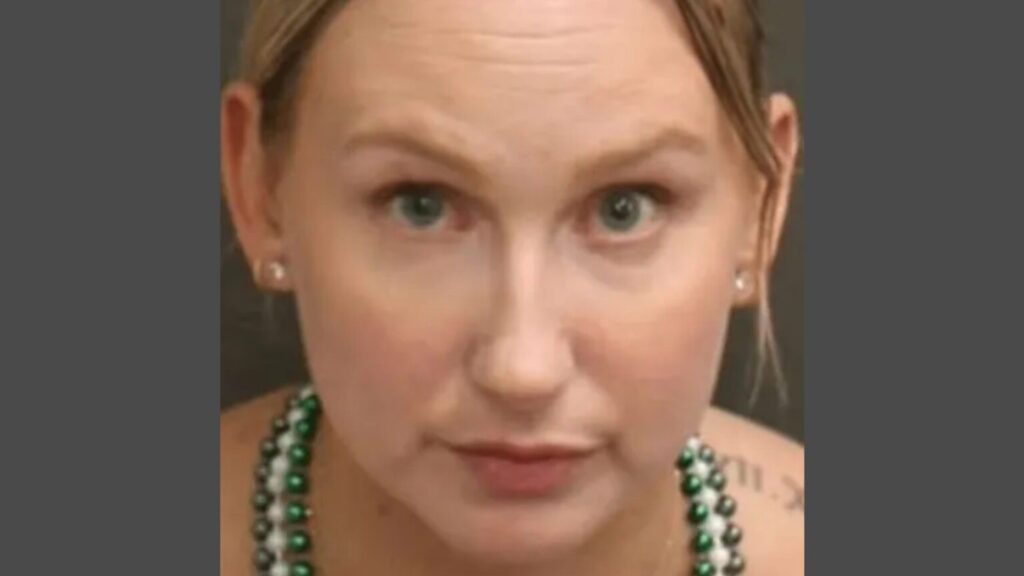
The crash that wiped out a young family at a San Francisco bus stop was horrific enough on its own. What has kept the city on edge is what came after, as an 80-year-old driver pushed to have the case treated like a minor offense while relatives of the dead flew in from overseas to beg a judge for the opposite.
At the center is Mary Fong Lau, accused of plowing her Mercedes into a West Portal transit stop and killing four members of the same family. Her request to downgrade felony vehicular manslaughter charges to misdemeanors has turned a neighborhood tragedy into a high-stakes test of how the justice system handles deadly driving, aging motorists, and accountability.
The day West Portal changed
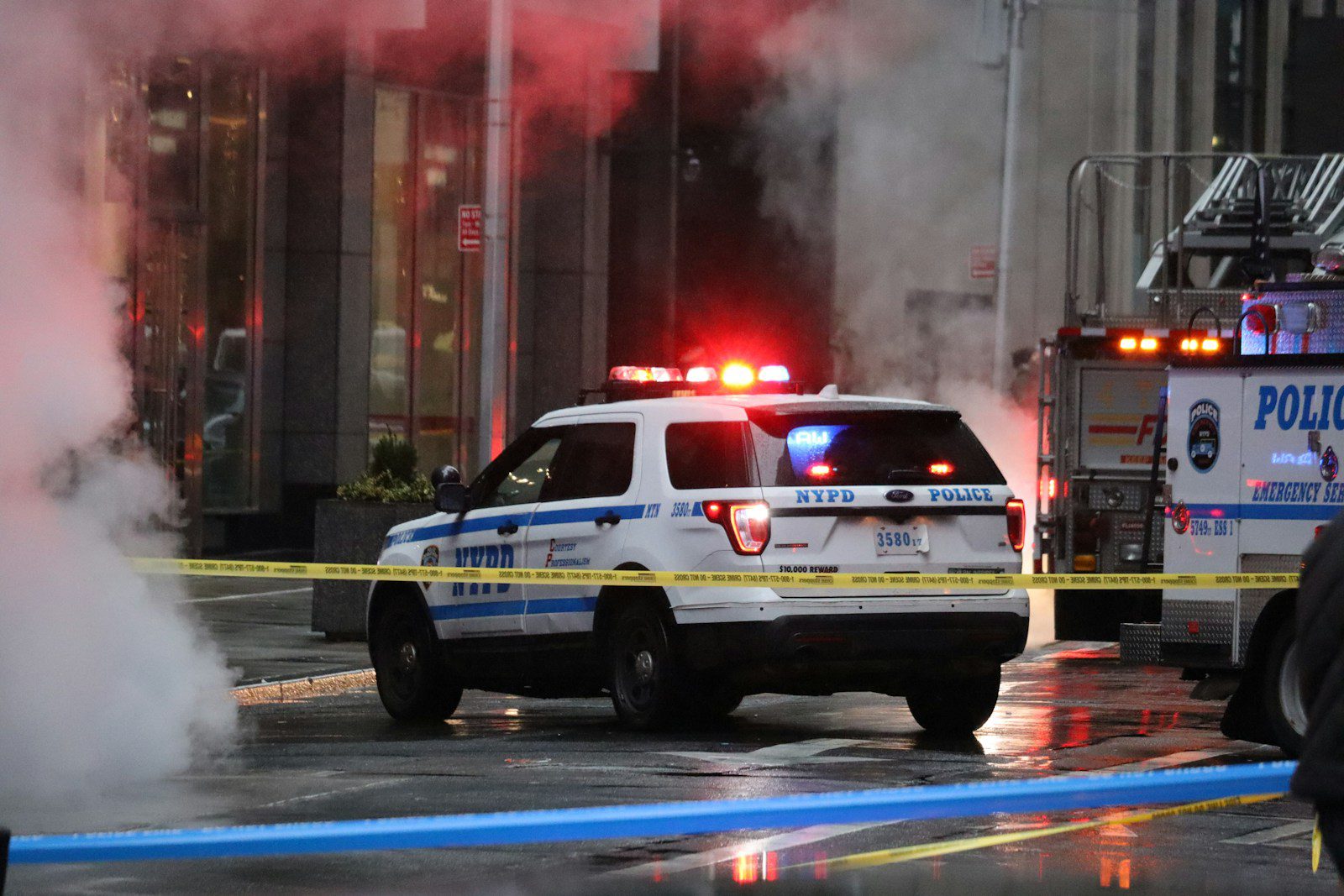
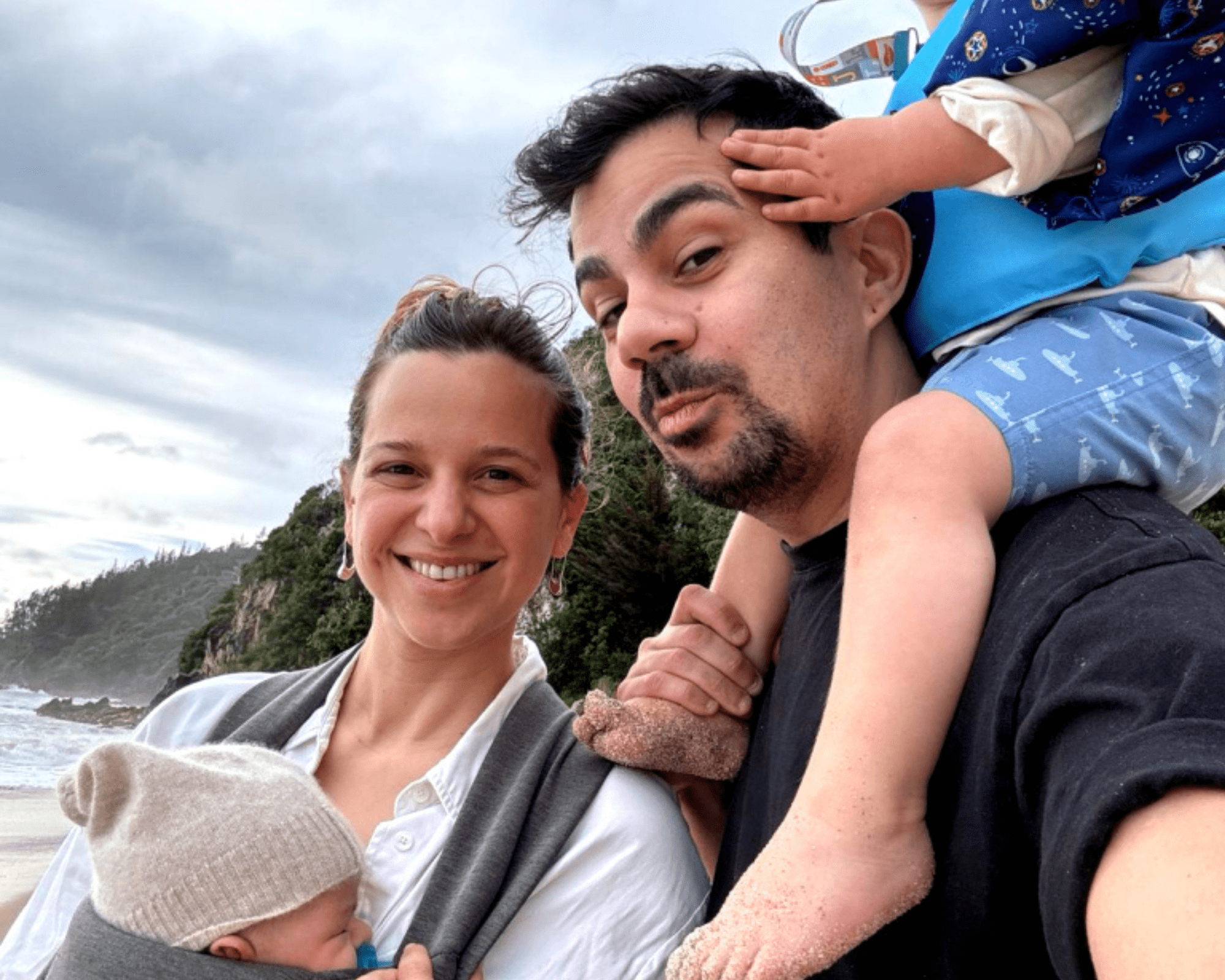
On a regular day in the West Portal neighborhood, a bus stop that usually serves commuters and families instead became the site of a mass casualty scene. Prosecutors say Lau drove a Mercedes SUV straight into people waiting at the curb, killing a family of four in seconds. Among the dead were Diego Cardoso de Oliveira, 40, and his partner, Matilde Moncada Ramos Pinto, 38, along with their children, including Joaquin Ra, whose name now shows up in court filings and memorials instead of school rosters.
The crash did not just devastate one household, it rattled an entire corridor of small businesses and transit riders who suddenly saw their daily routine as potentially lethal. The victims’ relatives, who later traveled from Portugal to attend hearings, have described a family that had built a life in San Francisco and treated that West Portal stop as a safe, familiar corner of their adopted city. The violence of the impact and the ages of Diego Cardoso de Oliveira and Matilde Moncada Ramos Pinto, precisely 40 and 38, turned what might have been dismissed as a “traffic accident” into something residents talk about in the same breath as violent crime.
An 80-year-old driver and a fight over felonies
From the moment charges were filed, the legal fight has revolved around how seriously the system should treat what Lau did. She was initially charged with felony vehicular manslaughter, and earlier in the case, when she was 78, she asked the court to knock those counts down to misdemeanors, essentially arguing that her conduct did not rise to the level of a serious felony. That request, detailed in filings that describe her as 78 at the time, set the stage for a showdown between an elderly defendant and grieving relatives who see the case as a matter of basic justice.
In court, the defense leaned heavily on Lau’s age and history, painting her as an “upstanding” San Franciscan who had worked for years to support her three children. Her lawyer, identified in court records as Morris, argued that she had no criminal history and that the crash was a tragic mistake, not a crime deserving of a felony label. But for the family of the dead, the idea that an 80-year-old driver could kill four people at a bus stop and walk away with misdemeanor convictions felt like a gut punch.
Inside the courtroom: grief, science, and a hard line from the judge
When the motion to reduce the charges finally landed in front of a San Francisco judge, the hearing quickly turned emotional. Relatives of the victims flew from Portugal to San Francisco and addressed the court directly, urging the judge not to soften the case. They described the loss of a 2-year-old child, parents in their thirties, and the hole left in their extended family, framing the crash as something that could not be brushed aside as a simple mishap.
On the other side, Lau’s team leaned on medical evidence, pointing to Lau’s medical examinations and toxicology report, which showed no underlying medical condition, alcohol, or drugs that might explain a sudden loss of control. That absence of a medical excuse actually cut both ways. Prosecutors argued that if there was no stroke, seizure, or intoxication, then what remained was a driver who simply failed to operate a powerful vehicle safely in a crowded urban space. The judge ultimately refused to downgrade the case, a decision echoed in separate coverage that noted the court would not soften charges against the woman accused of killing the West Portal family.
A not-guilty plea and a ban from the driver’s seat
Even as the felony-versus-misdemeanor fight played out, Lau formally entered a not-guilty plea. In an earlier phase of the case, when she was described as 79, she appeared in front of San Francisco Superior. He allowed her to remain free before trial but barred her from driving, a middle ground that kept her out of jail while recognizing the risk of putting her back behind the wheel. Lau reportedly told investigators that her car “just took off,” a phrase that has become shorthand for the defense theory that some mechanical or unintended acceleration was at play.
For the families of Diego Cardoso de Oliveira and Matilde Moncada Ramos Pinto, that explanation has never squared with the scale of the damage. They see a powerful vehicle, a busy bus stop, and a driver who failed to control her Mercedes SUV, not a freak event that should be written off. Their frustration has only grown as they watch Lau walk into court from home rather than from a jail cell, even as they attend hearings carrying photos of the 40-year-old and 38-year-old whose lives were cut short.
Money, assets, and a civil fight over accountability
While the criminal case moves slowly, a separate battle has opened up over money and responsibility. A civil lawsuit filed by the parents of Diego Cardoso de Oliveira accuses Lau of shifting real estate holdings after the crash in an effort to shield her wealth from potential judgments. According to that complaint, she allegedly moved properties worth millions and worked with health consultants after the crash, moves the plaintiffs say were designed to make it harder for them to collect damages if they win. The suit argues that these transfers were fraudulent and should be unwound so the family can seek full compensation for the deaths at the bus stop.
Coverage of the civil case has also highlighted how the criminal proceedings intersect with broader questions about wealth and accountability in San Francisco. One report described how the driver accused of killing a family of four at a bus stop in SAN FRANCISCO was alleged to have hidden assets ahead of trial, suggesting a defendant who was as focused on protecting her estate as on defending herself in court. For relatives who flew from Portugal to San Francisco, the idea that Lau might be quietly insulating her finances while they grieve has only deepened the sense that the scales are tilted in favor of the person who held the keys, not the people who were waiting for the bus.
More from Decluttering Mom: