
The family thought they had finally cracked the impossible puzzle of modern parenting: a trusted grandma watching the kids so the parents could work, travel, and breathe a little. Then a Stage 4 colon cancer diagnosis landed in the middle of their carefully balanced routine, and overnight the woman who anchored their childcare became the one who needed round-the-clock care. What looked like a stable setup suddenly exposed just how fragile the “village” can be when one person holds most of the weight.
Her story is specific, but the fault lines it reveals are familiar to anyone juggling kids, careers, and aging parents at the same time. The diagnosis did not just change one woman’s health outlook, it rewired the family’s finances, schedules, and sense of what “having it all” really means.
The day childcare turned into caregiving
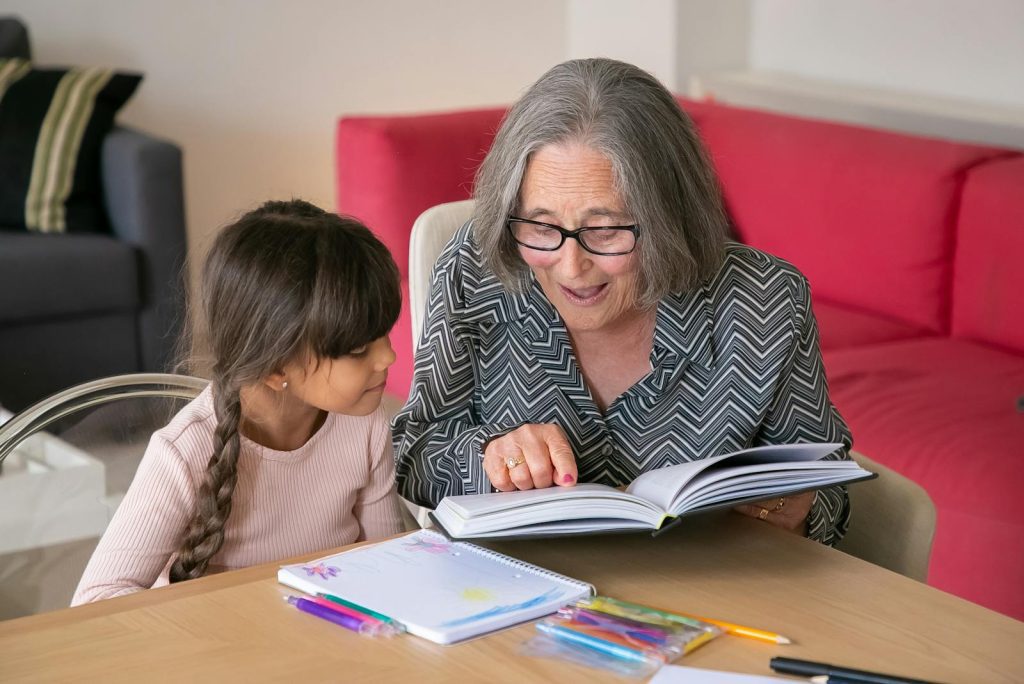
In the beginning, everything about the arrangement felt ideal. The grandmother lived close by, loved being with her grandchild, and gave the parents the kind of flexible coverage that no daycare app can match. She picked up from preschool, handled sick days, and bridged the awkward hours between the end of school and the end of the workday, a setup her daughter later described as feeling “lucky” to have, right up until the moment She was diagnosed with Stage 4 colon cancer and everything flipped. One month they were texting about pickup times, the next they were comparing oncology appointments and infusion schedules.
Stage 4 colon cancer, also called metastatic disease, means the cancer has already spread to other parts of the body, and as Stage 4 colon cancer specialists explain, it is usually not curable even when treatment can extend life and ease symptoms. For this family, that clinical reality translated into a new daily grind: chemo days, scan days, and the unpredictable fatigue that meant grandma could no longer be the default babysitter. The daughter, who had built her work and travel around that safety net, suddenly found herself part of the “sandwich generation,” pulled between caring for a young child and an ailing parent in both directions at once, a shift she later reflected on when she said she was not prepared to watch the person who once raised her become the grandparent she was meant to be, and then lose that version of her almost overnight, a moment captured when she admitted I was not prepared for that reversal.
When “having it all” collides with Stage 4 reality
Once the diagnosis landed, the family’s calendar stopped being built around school breaks and work trips and started orbiting around infusions and side effects. The daughter, who had been thriving in both her career and her role as a parent, watched that careful balance evaporate as she stepped into medical advocate, driver, and home nurse. She later said it completely reshaped how she thinks about the phrase “having it all,” because success suddenly meant getting her mom through a rough night and her kid to school on time, not hitting every professional milestone, a shift she summed up when she admitted It’s absolutely reshaped her definition of that glossy promise. Her husband picked up extra childcare, she cut back on travel, and the family’s budget absorbed new costs for backup sitters and medical co-pays.
Her experience sits inside a larger pattern of younger adults confronting serious colon cancer while they are still raising kids and building careers. In one case, Casandra Costley was just 32 when she noticed rectal bleeding, assumed it was a hemorrhoid, and kept going until she learned she had Stage 4 colon cancer and told her care team she wanted to be there for her family. Another mother, Heather Candrilli, was 36 when an ultrasound spotted something on her liver, leading to a colonoscopy and a Stage 4 diagnosis that upended her plans while she was still considered “too young” for routine screening. Another woman kept returning to her doctor, explicitly asking if she might have colon cancer, only to be reassured she was “too young” until she was eventually found to have Stage 4 disease after symptoms built up over close to a decade, a story that unfolded as She went back to her physician again and again. For families like the one that leaned on grandma for childcare, these stories are not abstract warnings, they are the backdrop to every new scan result and every conversation about what the next school year might look like.
The sandwich generation’s breaking point
As the grandmother’s health needs grew, the daughter’s role shifted from grateful recipient of free childcare to primary caregiver, a pivot she detailed when she said her mom’s cancer diagnosis changed everything for her family and her business, a reality she laid out when she wrote that My mom’s cancer diagnosis changed the way she worked and parented. She and her husband scrambled to cover school pickups, bedtime routines, and the emotional labor of explaining to a young child why grandma suddenly looked frail and tired. The same woman who once kept their household running in the background now needed rides to chemotherapy, help managing medications, and someone to sit with her when the side effects hit hardest.
Her story echoes across multiple tellings of the same experience, including a version that ran for African readers, where she explained that just a few months earlier she had written about how lucky she felt to have parents who were not only loving but also dependable, and how she and her husband used to rely on her mom for childcare before everything changed, a contrast she drew when she said Just a few months ago she had been celebrating that support. Another version of her account, updated later with additional detail, underscored how she now identifies as part of the sandwich generation and how the diagnosis forced her to rethink every assumption about work, parenting, and elder care, a shift captured when She was diagnosed and she suddenly saw herself squeezed between generations.
Behind these logistics sits the brutal emotional math of metastatic disease. Advocates point out that Stage 4 Metastatic Colon Canc is devastating not only when elders suffer and die of this disease but also when it strikes a person in the prime of her life, with the loss to a young child and a family described as something that can never be replaced, a reality laid bare when one cancer center warned that It is devastating enough when this happens. Other patients, like Tamara G., learned through a colonoscopy and genetic testing that they had familial adenomatous polyposis, or FAP, along with Stage 4 colon cancer that had already spread to the liver, underscoring how quietly this disease can advance. For the family that once relied on grandma for childcare, those stories are no longer distant case studies; they are the context for every bedtime story read in a hospital chair and every school pickup squeezed in between oncology visits, a reminder that the village only works if the people holding it up are cared for too.
More from Decluttering Mom: