A weekend hike in Arkansas turned into a nightmare when a 13-year-old boy slipped from a bluff and fell roughly 200 feet to his death, leaving his father to make the discovery no parent ever wants to face. The boy, later identified as Kayleb Lynn Eddings, had been out on the trail with a friend when a moment near the edge changed everything. What followed was a frantic search, a heartbreaking find, and a community suddenly forced to reckon with how fragile even the most ordinary family outing can be.
As details have emerged, the story has become about more than a single tragic fall. It is about how quickly a scenic overlook can turn dangerous, how first responders and park officials move when seconds matter, and how a family and town try to hold on to the memory of a kid described as kind and joyful. It is also a blunt reminder that the wild places people love, from bluffs to river overlooks, demand a level of caution that is easy to forget until it is too late.
The hike that started like any other
By all accounts, the day began the way countless family hikes do, with a teenager eager to be outside and a parent trusting that a familiar trail would be a safe place to spend a Saturday. Earlier this year, on a Saturday identified in reports as October 18, a 13-year-old boy named Kayleb Lynn Eddings headed out near a bluff in Arkansas with a friend, the kind of low-key outing that usually ends with tired legs and a phone full of photos. The setting was Buffalo National River, a stretch of protected land known for its steep cliffs and sweeping views that draw visitors from across the region.
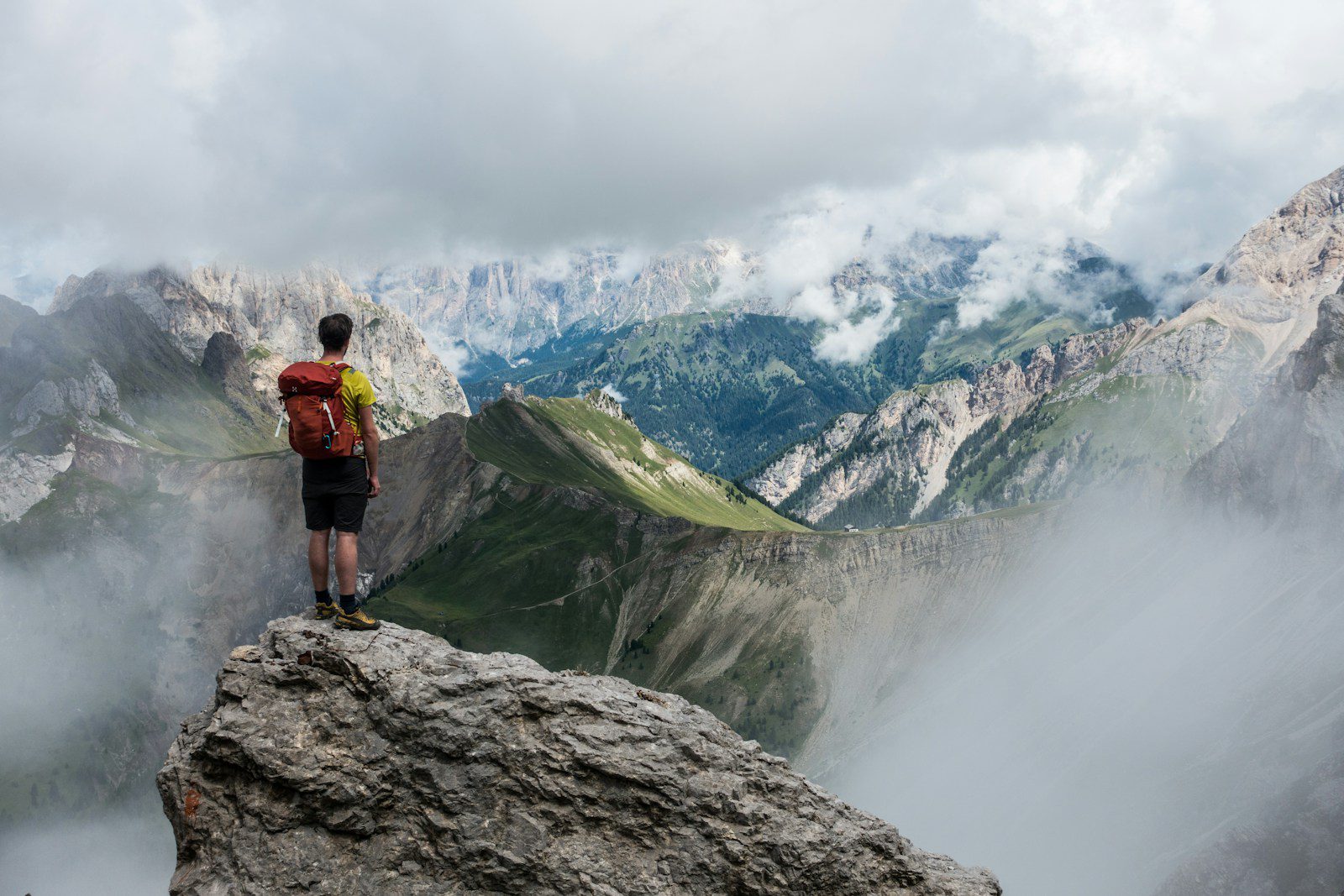
Somewhere along that route, the two boys reached an overlook that offered the kind of dramatic drop-off that makes for a perfect backdrop and a very real hazard. Officials later confirmed that the teenager fell roughly 200 feet from a bluff inside a popular National Park site, a fall that left him unresponsive at the bottom of the ravine. The accident unfolded inside the National Park area, where steep drops are part of the landscape and where a single misstep can erase the thin line between a scenic stop and a fatal fall.
A slip near the edge and a 200-foot fall
Investigators have pieced together a straightforward but devastating chain of events. While hiking with his friend near the bluff, Kayleb moved close enough to the edge that a small loss of footing had catastrophic consequences. Officials reported that he was near the edge of the overlook when he slipped from a lookout and tumbled down the face of the bluff, a vertical drop that left little chance for survival. The distance, described consistently as a 200-foot fall, turned what might have been a minor stumble on flat ground into a lethal plunge.
Accounts from the scene emphasize that there was no elaborate stunt or reckless dare involved, just a teenager standing near a cliff line that offered no margin for error. Members of the response teams later noted that the boy had been hiking with a friend when he went over the edge, a detail that underscores how quickly a normal outing can turn when the terrain is unforgiving. The fall from the bluff at Buffalo National River was described as roughly 200 feet, a sheer drop that left first responders facing a recovery rather than a rescue.
The father’s desperate search and heartbreaking discovery
Once it became clear that Kayleb had fallen, his father, Toby Eddings, rushed into the search in the way only a parent can. Reports describe him as one of the first people to reach the bottom of the bluff, scrambling through rough terrain in the hope that his son might still be alive. Instead, he found Kayleb unresponsive, making Toby the first person to lay eyes on his child’s body after the fall. That moment, when a father’s instinct to protect collides with the reality that he is too late, has become the emotional center of the story.
Accounts of the scene note that an Arkansas father made a heartbreaking discovery over the weekend when he located his 13-year-old son after the 200-foot fall, a detail that has resonated far beyond the park’s boundaries. The description of Toby’s role is not just a grim fact, it is a window into the raw human cost behind the official language of “fatal incident” and “recovery operation.” In the hours that followed, as emergency crews moved in and law enforcement secured the area, that image of a dad at the base of the bluff, realizing what had happened, became the moment people could not shake. The phrase “An Arkansas father” in one account captures the universality of that pain, even as it refers specifically to Toby Eddings and his son.
How first responders and park crews moved in
Once the fall was reported, the response shifted quickly from frantic searching by family and friends to a coordinated effort by park personnel and local emergency teams. Members of the rescue crews had to navigate steep, uneven ground to reach the base of the bluff, a task made more complicated by the same drop-offs and loose rock that had made the overlook so dangerous in the first place. For them, the mission was twofold: confirm whether there was any chance of saving the boy and then, once that hope was gone, bring his body back up with as much care and dignity as the terrain allowed.
Officials later confirmed that the teenager was found unresponsive and that the operation became a recovery rather than a rescue, a distinction that changes everything about how crews move and how quickly they can work. Reports note that Members of the response teams were among the first on scene after the father, coordinating with law enforcement and park staff to secure the area and keep other visitors away from the edge while they worked. The description of how Members of the team arrived after Toby underscores that, for a brief window, it was a father, not a professional rescuer, who was alone with the reality of what had happened.
Warnings about overlooks and the thin line between view and void
In the aftermath, park officials have leaned on a message they repeat often but that can be hard to fully absorb until tragedy strikes: scenic overlooks are inherently risky, and the ground near the edge is rarely as solid as it looks. The bluff where Kayleb fell is part of a landscape carved by water and time, with rock that can crumble underfoot and loose gravel that turns a casual step into a slide. Even on clear days, with dry conditions and good visibility, the combination of height, exposure, and human distraction can be deadly.
Officials have stressed that visitors should stay well back from the edge when enjoying overlooks, especially in areas where there are no guardrails or where the rock slopes gently toward the drop. The reminders are not abstract. They are rooted in what happened when a 13-year-old boy slipped from a lookout and fell roughly 200 feet while hiking in a national park setting. One account of the incident notes that Officials specifically urged people to be cautious near the edge when enjoying overlooks, a plea that now carries the weight of a teenager’s death behind it.
Who Kayleb was beyond the headlines
As the basic facts of the fall settled in, friends and relatives began filling in the picture of who Kayleb Lynn Eddings was when he was not a name in a tragic news story. Those who knew him described a kid who loved being outdoors, who was quick with a smile, and who brought an easy energy to the people around him. The decision to spend a Saturday on the trail fit that personality, a simple way to be out in the world rather than stuck inside.
One account of the accident at Buffalo National River described the 13-year-old as a kind and joyful boy, a phrase that has been repeated by those trying to capture his short life in a few words. It is a reminder that behind every statistic about falls and fatalities is a person with favorite songs, inside jokes, and plans that will never be finished. The reference to that Saturday at Buffalo National River and to a boy remembered as kind and joyful has become a shorthand for everything his family and community lost in a single misstep.
A community shaken by a 13-year-old’s death
News of the fall spread quickly through the Arkansas community where the Eddings family lives, and the reaction followed a pattern that has become familiar in the age of social media and group texts. Shock came first, as people tried to process how a kid they knew from school, church, or the ballfield could be gone because of a hike that went wrong. Then came the practical questions about how to support the family, from meal trains to fundraisers to quiet offers to sit with Toby and other relatives who suddenly found themselves navigating a world without Kayleb.
Descriptions of the incident often start with the phrase “An Arkansas father” or “Dad finds 13-year-old son,” language that has the effect of turning one family’s loss into a kind of stand-in for every parent’s worst fear. In local conversations, though, the story is more specific and more personal, centered on the Eddings name and on the details of who Kayleb was in everyday life. The fact that the fall happened inside a popular National Park site has also rattled regular visitors, who are now looking at familiar overlooks with a different kind of caution, aware that the same view they have enjoyed for years is where a 13-year-old boy’s life ended.
What park officials and safety advocates want hikers to hear
In the wake of the accident, park officials and safety advocates have tried to channel the grief and attention into practical advice that might keep another family from facing the same loss. Their message is not to stay away from places like Buffalo National River but to treat them with the respect that steep cliffs and fast-moving water demand. That starts with simple habits: staying on marked trails, keeping a safe distance from the edge, and resisting the urge to lean out for a better photo or to let kids wander too close to drop-offs, even for a second.
Some of the guidance is aimed specifically at parents of teenagers, who are old enough to hike on their own but still young enough to underestimate risk. Officials have pointed to Kayleb’s fall as a stark example of how quickly a misstep can turn fatal when the terrain involves a 200-foot drop. One account of the incident at a popular National Park site noted that the boy was with a friend when he slipped, a detail that underscores the need for clear safety talks even when kids are not hiking alone. The hope, voiced quietly by many who work in and around the park, is that the story of a 13-year-old who never made it home from a weekend hike will stick in people’s minds long enough to change how they move near the edge.
Grief, memory, and the hard work of moving forward
For the Eddings family, the days and weeks after the fall have been about more than public warnings and official statements. They have been about the private work of grief, of figuring out how to live in a house where one bedroom is suddenly too quiet and where everyday routines are full of reminders of what has been lost. Friends say that Toby and other relatives are leaning on each other and on their community, trying to balance the need to talk about Kayleb with the moments when the pain is still too sharp to put into words.
More from Decluttering Mom: