A father recently opened up about the hurtful comments he and his partner received after welcoming their mixed-race newborn, with relatives and hospital staff making remarks about the baby looking “too Asian.” The incident has sparked conversations about the insensitive and racialized commentary that mixed-race families frequently encounter, from unsolicited observations about a child’s features to questions that reduce babies to their perceived ethnic characteristics.
The father’s decision to speak publicly about these comments highlights how even joyful moments like childbirth can be tainted by racial insensitivity, with people making inappropriate observations about a newborn’s appearance based on ethnic stereotypes.
His experience reflects a broader pattern of mixed-race individuals navigating spaces where they’re considered “too Asian” in some contexts and not enough in others. The story sheds light on how these seemingly casual remarks about a baby’s features carry deeper implications about racial acceptance and the expectations placed on multiracial families.
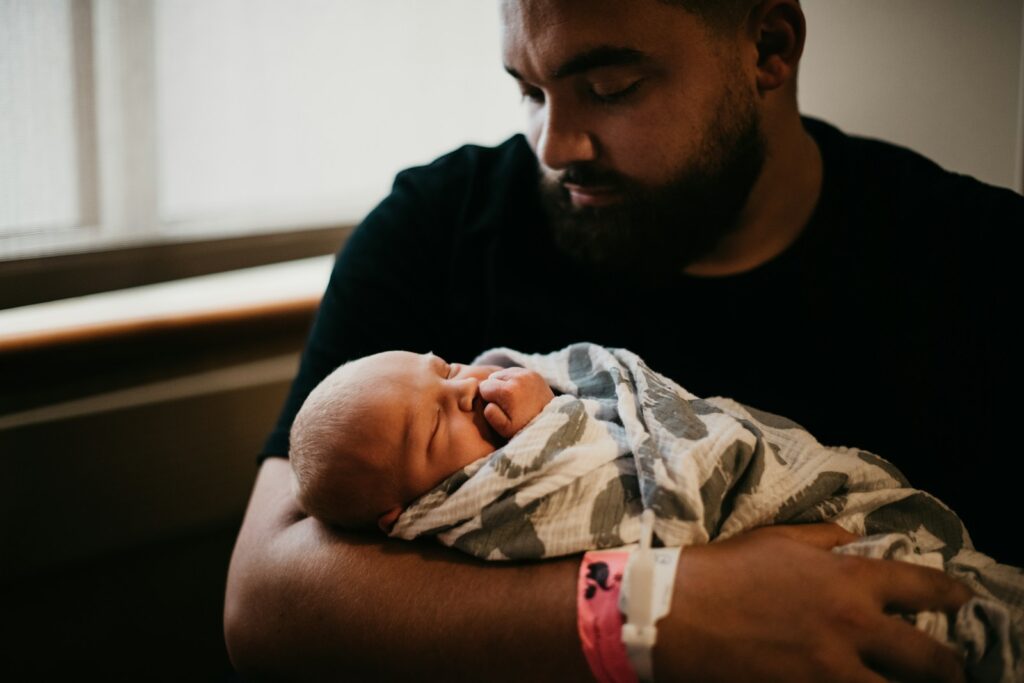
The Father’s Experience: Speaking Out About Racialized Comments
The father found himself navigating uncomfortable reactions from both family members and hospital staff who made pointed observations about his newborn’s appearance. These comments revealed underlying assumptions about race and ethnicity that he hadn’t anticipated confronting so immediately after his child’s birth.
Initial Family Reactions and Microaggressions
When the father’s relatives first met the baby, several made comments emphasizing how “Asian” the child looked. These observations weren’t framed as neutral descriptions but carried an undertone of surprise or concern. Some family members repeatedly mentioned the baby’s eye shape and skin tone, focusing on features that aligned with the Asian parent’s ethnicity while seemingly minimizing the mixed heritage.
The father described feeling caught off guard by how quickly relatives zeroed in on racial characteristics. Interracial parents often face unique challenges from extended family when it comes to acceptance and understanding. What struck him most was the implication that looking “too Asian” was somehow problematic, as if his child should present a more balanced blend of both backgrounds.
These microaggressions created tension during what should have been a joyful time. The father recognized that his relatives’ comments reflected broader societal discomfort with mixed-race identity and the persistence of monoracial thinking.
Encounters With Nurses and Medical Professionals
Hospital staff also made remarks about the baby’s appearance that left the father unsettled. Nurses commented on how much the infant resembled the Asian parent, sometimes in front of other patients or staff members. These observations felt particularly inappropriate coming from healthcare professionals who were supposed to focus on the baby’s health and well-being.
The father noted that these comments weren’t made with obvious malice. Instead, they seemed to stem from an inability to simply see the child without immediately categorizing by race. Medical professionals made assumptions about the baby’s ethnicity based on physical features, sometimes asking invasive questions about the parents’ backgrounds.
He wondered whether these same nurses would have made similar remarks about a white-appearing baby. The differential treatment highlighted how racial dynamics play out even in medical settings, where professionals should maintain boundaries around personal commentary.
Impact on Family Dynamics and Parental Emotions
The cumulative effect of these racialized comments created strain between the father and his relatives. He felt protective of his child’s right to exist without constant racial scrutiny. The experience forced conversations about racism and privilege that some family members seemed reluctant to have.
The father expressed frustration that his newborn was already being subjected to racial categorization before developing any sense of identity. Parents of mixed-race children must navigate complex racial socialization from the earliest moments of their children’s lives. He worried about the long-term implications of family members fixating on his child’s Asian features as something noteworthy or unexpected.
The comments also affected his relationship with his partner. They found themselves discussing how to address these incidents and protect their child from similar treatment in the future. The father realized that speaking out about these experiences was necessary, even if it made others uncomfortable.
Understanding the Broader Racial and Cultural Dynamics
Mixed-race families navigate complex systems of racialization that have deep historical roots, while facing ongoing stereotypes that reflect broader patterns of marginalization and systemic racism in society.
Navigating Mixed-Race Identity and Formation
Mixed-race identity formation involves continuous negotiation between personal identification and societal assignment. The father’s experience with comments about his newborn highlights how others often impose racial categories based on physical appearance alone.
Parents of mixed-race children face the challenge of helping their kids understand their heritage within a society built on mutually exclusive racial categories. This monoracial paradigm erases multiracial existence by design, forcing families to address questions about belonging from birth.
Interethnic parenting experiences show that couples must navigate their roles in relation to each other, their children, and broader society. The comments from nurses and relatives reflect how racial discourse operates even in moments meant to celebrate new life. Mixed-race individuals often encounter invalidation experiences where others question or deny their identification with particular racial groups.
The pressure to categorize the baby as “too Asian” demonstrates how racial profiling begins immediately, with observers prioritizing visible features over the child’s full heritage.
Historical Roots and Systems of Racialization
The racial order in America was designed to determine citizenship and rights based on categorization. Racial categories emerged to legitimize who could be subjugated, with anti-Blackness at the foundation of this system.
Hypodescent laws historically dictated that anyone with non-white ancestry be categorized according to that heritage, creating rigid boundaries between groups. This biological essentialism treated race as heritable, with physical appearance serving as supposed evidence of racial makeup. Colonialism and its legacies shaped these classification systems globally, including orientalism that positioned Asian features as fundamentally “other.”
The 1960 U.S. Census marked the first time respondents could self-identify rather than being assigned categories by government employees. It wasn’t until 2000 that people could officially select multiple racial groups, reflecting how recently institutions acknowledged multiracial existence.
These historical patterns of racialization continue affecting families today. When relatives and medical staff comment on a baby looking “too Asian,” they’re operating within centuries-old frameworks that demand clear categorization and maintain racial hierarchy through everyday interactions.
Challenging Stereotypes and Promoting Social Justice
The incident reveals how xenophobia and racial stereotyping persist in intimate family settings. Comments about the baby’s appearance reflect discomfort with racial ambiguity and the expectation that children should fit predetermined categories.
Anti-racism work requires recognizing how systemic racism operates through seemingly innocent observations about physical features. These remarks reinforce racial boundaries and suggest that certain appearances are more desirable or expected than others.
Race relations within families often mirror broader societal tensions about diversity and belonging. The intersection of race and class further complicates these dynamics, as different communities hold varying perspectives on mixed heritage.
Decolonization efforts in academic and social contexts emphasize centering the experiences of those directly affected rather than imposing external judgments. The father’s decision to speak out challenges dominant narratives that minimize the impact of racial commentary on mixed families. Civil rights progress has expanded recognition of multiracial identities, yet reconciliation remains incomplete when people face immediate questioning of their children’s appearance and heritage.
More from Decluttering Mom: