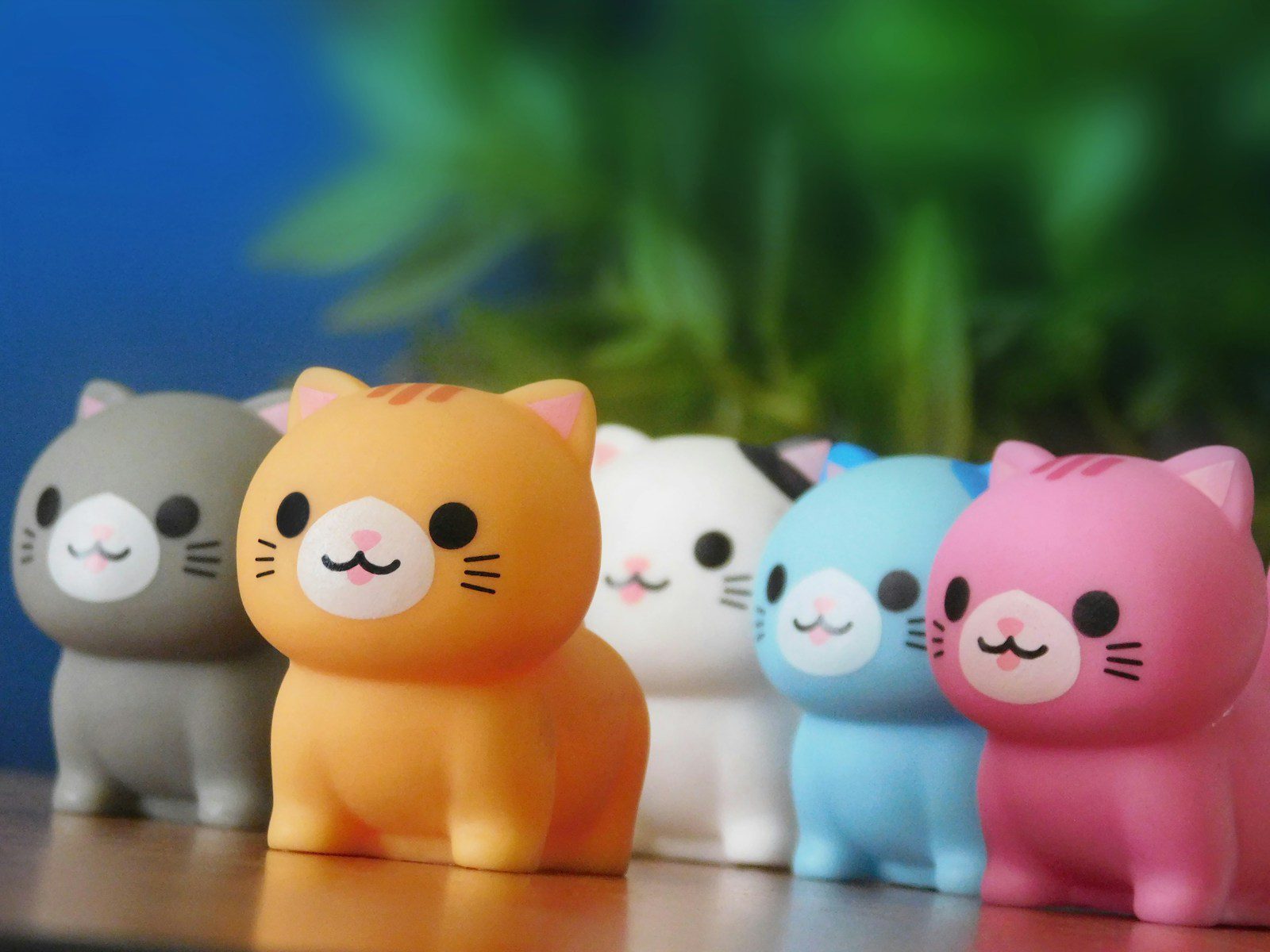
Federal regulators are warning that counterfeit squishy toys can burst and cause serious burns when heated, an alert tied directly to a viral social media trend showing the toys being microwaved, according to CPSC’s consumer safety alert, issued August 5, 2026. This is not a recall of a specific product but a broad warning about counterfeit versions flooding online marketplaces.
Key Points
- Videos circulating online show squishy toys “expanding, changing texture, or bursting when heated,” and CPSC says these clips are “dangerous and should never be attempted or imitated.”
- “Heated toys may burst and release material that can cause severe burns,” CPSC’s alert states, and because the filling can be sticky, it “can continue transferring heat and worsen the injury” even after contact.
- Counterfeit squishy toys have also been found with water beads that cause intestinal blockages and choking if swallowed, unknown filling materials that pose chemical and inhalation risks, and excessive lead or banned phthalates.
- CPSC says it has identified 55 shipments and stopped 355,683 counterfeit squishy toy units from entering the United States.
- No authentic brand names are named in the alert; the warning applies broadly to fakes sold across online marketplaces.
What Parents Should Do
- Never microwave or intentionally heat a squishy toy, and don’t let your child imitate videos showing the practice.
- Buy squishy toys only from reputable, verified retailers rather than unfamiliar online sellers or marketplace listings.
- Watch for red flags on any squishy toy already in your home: unknown manufacturer information, missing safety warnings or age grading, a strong chemical odor, an oily or unusually sticky texture, easily torn construction, misspelled packaging, or a price far below what established retailers charge.
- Inspect squishy toys regularly and throw away any that are damaged, leaking, or torn.
- If a child is burned, run cool water over the area for at least 20 minutes and seek medical attention for any burn that looks severe, blisters, or covers a large area.
What makes this hazard different from a typical toy defect is that it’s driven by behavior, not just manufacturing. A child doesn’t need a broken toy to get hurt, they need only a video showing someone else microwaving one, and a squishy toy anywhere in the house. CPSC’s broader toy safety guidance reminds parents to check any toy for age-appropriate labeling before it reaches a child’s hands, but this alert asks parents to go a step further: talk to kids directly about why heating any toy, real or fake, is never safe to try.
Because counterfeit versions are often visually identical to genuine ones, CPSC’s advice leans heavily on where the toy was bought rather than how it looks. A squishy toy purchased from an unverified third-party seller, even one styled to look like a well-known character or brand, carries a real risk that its filling and construction have never been safety-tested at all.