Picture this: you’re sipping your favorite latte, scrolling through your phone, when suddenly you see an alert. Your bank account has been drained, and you have no clue how it happened. Yikes, right? Unfortunately, it’s a scenario that’s becoming all too common these days. Financial experts are warning us that certain everyday banking habits can make us prime targets for fraudsters. Let’s chat about four of those habits, so you can keep your hard-earned cash safe and sound.
1. Using Weak Passwords
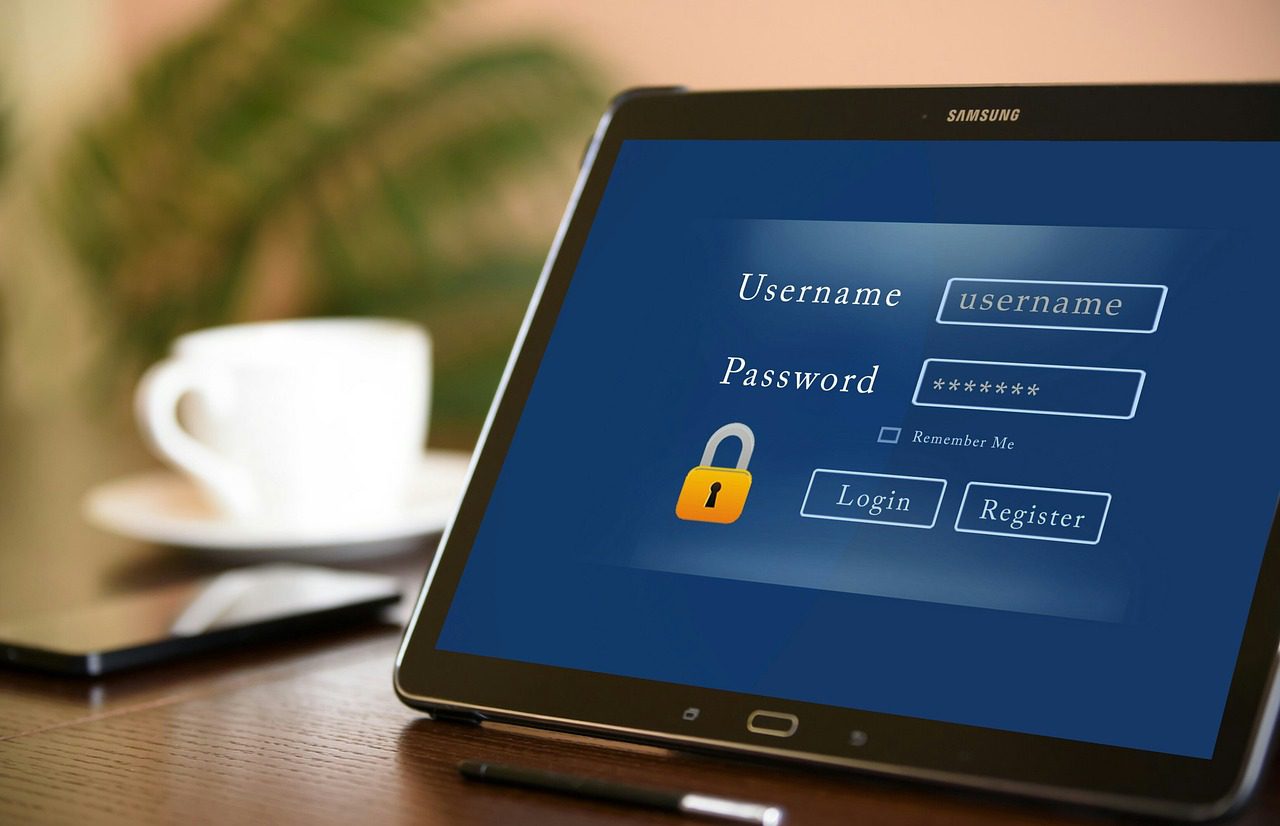
First up on the list is a classic mistake: using weak passwords. We all know we should have strong, unique passwords for our online banking accounts, but let’s be real—who has the time to come up with a dozen different combinations of letters, numbers, and symbols? But here’s the kicker: using “123456” or “password” might be easy to remember, but it’s like leaving your front door wide open with a neon sign that says, “Come on in!”
Experts recommend using a phrase or a mix of random words instead. Think of something memorable, like “ChocolateLover123!” or “DancingInTheRain!” Not only will this keep your account safer, but it’ll also give you a little chuckle every time you log in. And hey, if you’re worried about remembering all those passwords, a password manager can be a real lifesaver.
2. Ignoring Security Alerts
Next, let’s talk about those pesky security alerts. You know, the ones that pop up on your phone or get buried in your email? Many folks tend to swipe them away or hit “ignore” faster than you can say “fraud alert.” But ignoring these notifications can land you in hot water. These alerts are your bank’s way of saying, “Hey, something’s fishy here!”
It’s essential to pay attention to those warnings. If your bank notifies you of a transaction you didn’t make, or if they ask you to verify your identity, treat it seriously. Take a moment to double-check your account activity. A little vigilance can save you a lot of heartache down the line. Plus, it’s a great excuse to take a break from scrolling through social media.
3. Using Public Wi-Fi for Banking
Ah, public Wi-Fi—the modern-day double-edged sword. It’s convenient, it’s everywhere, and it’s oh-so-tempting to check your bank account while sipping your coffee at the local café. But here’s the deal: public Wi-Fi is like a big neon sign for hackers, saying, “Come take a look at all the juicy information here!”
Financial experts urge you to avoid banking on public networks whenever possible. If you absolutely must check your account, consider using a VPN (virtual private network) to add an extra layer of security. Think of it as your secret superhero cape—making sure your data stays safe and sound while you enjoy that caramel macchiato. Trust me, your future self will thank you!
4. Not Monitoring Your Accounts Regularly
Last but definitely not least is the habit of not keeping an eye on your accounts. It’s easy to set up direct deposits and automatic payments and then forget about them, right? But skipping regular account monitoring can be a huge mistake. Fraudsters can strike at any time, and the longer you wait to check your statements, the more damage they can do.
Try to set aside a few minutes each week to review your transactions. You don’t need to scrutinize every single cent, but keeping an eye out for any suspicious activity can make a world of difference. Plus, it’s a great way to catch any pesky subscription services you forgot to cancel—because who needs another month of that random streaming service, right?
Wrapping It Up
Staying financially safe doesn’t have to be all doom and gloom. By being aware of these four common banking habits, you can help protect yourself from fraud. So, whether it’s choosing a stronger password, paying attention to security alerts, avoiding public Wi-Fi, or monitoring your accounts regularly, these small changes can have a big impact.
Remember, it’s all about being proactive and staying informed. You don’t have to be a financial expert to keep your money safe—just a smart friend who knows a bit about what to look out for. Now, go enjoy that coffee, and maybe give your bank account a little TLC while you’re at it!
More from Decluttering Mom: