You might grab a power strip because it feels convenient, but that small shortcut can create a serious fire risk when a space heater is involved. Plug space heaters only into a dedicated wall outlet — never a power strip or extension cord — because strips can overheat and fail under the heater’s high power draw.
They will explain why firefighters across the country keep issuing the same warning and show how a simple change in where you plug the heater can prevent overheating, sparks, or worse. Expect clear, practical safety steps next so you can keep warmth without risking the home.
Why Firefighters Warn Against Plugging Space Heaters Into Power Strips
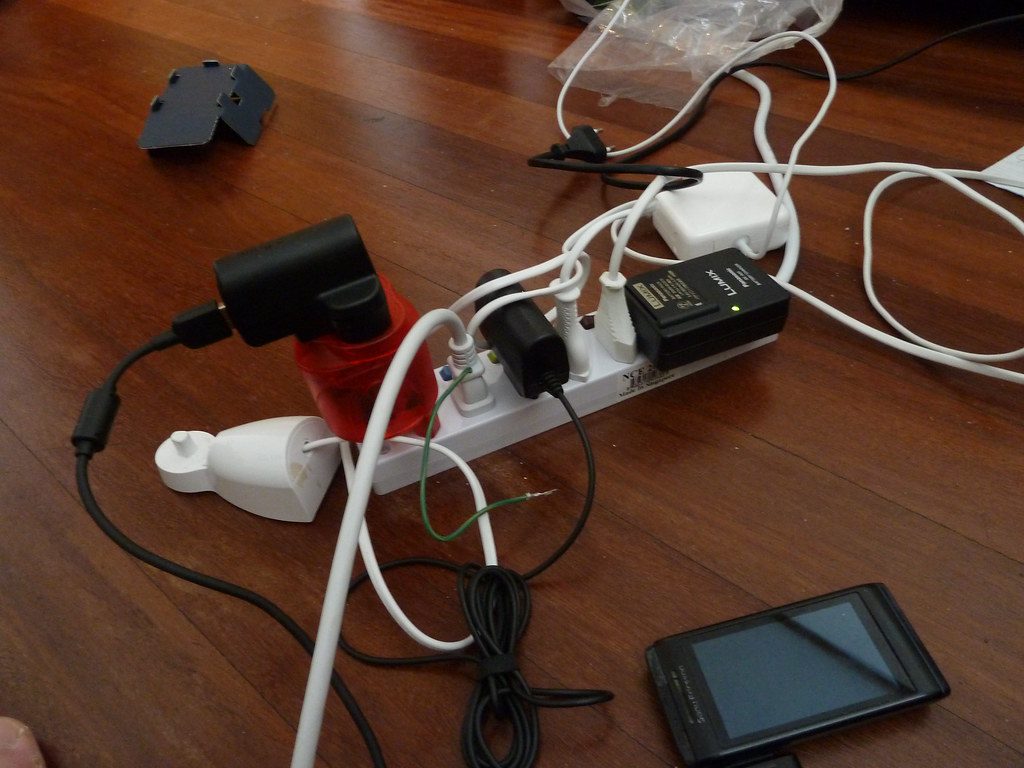
Space heaters draw high current and run hot for long periods, creating a mismatch with the lower-rated wiring in power strips and extension cords. Firefighters emphasize direct wall connections, placement clearances, and dedicated circuits to reduce overheating and ignition risks.
How Space Heaters Overload Power Strips
Space heaters commonly draw 1,000–1,500 watts, which equals about 8–13 amps at 120 volts. Most consumer power strips and extension cords are rated for 13 amps or less and use thinner conductors than fixed wiring, so continuous heater load pushes the strip near its limit.
When a strip runs hot, its insulation can soften and contacts can loosen. That increases resistance, produces more heat, and can cause melting, arcing, or ignition of nearby materials. Multi-plugging other devices into the same strip or outlet makes the overload risk worse.
Use these rules: always plug a heater into a dedicated wall outlet, avoid cords or strips, and check the heater’s wattage against the circuit rating. If the outlet feels warm, stop using that receptacle and have an electrician inspect it.
Real-Life Fire Incidents and Statistics
Fire departments nationwide report house fires tied to portable heater misuse every winter. Investigations repeatedly find heaters plugged into extension cords or power strips that overheated and ignited adjacent combustibles like rugs and curtains.
Many fire department advisories note common themes: overloaded strips, worn cords, and unattended heaters left near flammable materials. Media reports and local departments, including examples cited by outlets, document injuries and significant property loss from these scenarios.
Because many incidents start at the plug or cord, firefighters stress visual checks: frayed insulation, discoloration, or melt marks indicate a hazard. Replace damaged cords, stop using temporary wiring for heaters, and follow manufacturer placement guidelines to reduce incident risk.
The Role of the National Fire Protection Association
The National Fire Protection Association (NFPA) provides codes and safety guidance that inform firefighter recommendations. NFPA data and safety bulletins highlight heating equipment as a leading cause of home fire deaths and injury during cold months.
NFPA guidance stresses using fixed wiring over temporary cords for major appliances and avoiding unattended operation of portable heaters. The association also promotes smoke alarms, automatic shutoff features, and keeping at least three feet of clearance around heaters.
Local fire departments and building inspectors often rely on NFPA standards when issuing public guidance or enforcing electrical code requirements. Heeding NFPA-backed advice reduces the chance of overloads, electrical faults, and subsequent fires.
Proper Use of Space Heaters for Home Safety
Place space heaters on level, noncombustible surfaces and keep them at least three feet from bedding, furniture, curtains, and papers. Never run a heater under a blanket, behind furniture, or on rugs that can trap heat and raise surface temperatures.
Plug heaters directly into a dedicated wall outlet; do not use power strips or extension cords. Prefer models with tip-over protection, overheat shutoff, and clear wattage labeling, and avoid running heaters on the same circuit as heavy-load appliances like microwaves or refrigerators.
Turn heaters off before leaving a room or sleeping. For persistent cold or high usage, have an electrician add a dedicated circuit and install tamper-resistant outlets. These steps lower electrical stress, reduce hot-spot formation, and address the common causes firefighters encounter in heater-related fires.
Essential Electrical Safety Tips for Using Space Heaters
Keep heaters on their own dedicated circuit, place them where they won’t be knocked over, and inspect cords and plugs before each use. Use firm, level surfaces and follow manufacturer instructions for wattage and distance from combustibles.
Plug Space Heaters Directly Into Wall Outlets
Space heaters draw high current; they must plug directly into a grounded wall receptacle rated for the heater’s amperage. Avoid power strips, surge protectors, and extension cords because thin wiring and connectors can overheat and cause a fire.
If the heater’s plug feels hot during use, unplug it immediately and try a different outlet that isn’t shared with heavy-load appliances like refrigerators or microwaves.
Checklist for safe outlet use:
- Plug only one heater per outlet.
- Use a three-prong, grounded plug; do not remove the grounding pin.
- Do not use outlets with loose-fitting plugs.
If an outlet sparks or trips the breaker, stop using that outlet and get an electrician to inspect the circuit.
Keeping Space Heaters Away From Flammable Materials
Place the heater at least three feet from anything that can burn: curtains, bedding, clothing, paper, and rugs. Position heaters on hard, level surfaces—never on furniture, carpets, or boxes that can block vents or shift under heat.
Keep children and pets away from the heater’s immediate area to prevent accidental tipping or contact with hot surfaces.
Use a thermal barrier or clear floor space to reduce risk:
- Maintain a 3-foot safety zone in front and on both sides.
- Do not dry clothes or warm blankets on the heater.
- Avoid placing heaters near doorways, walkways, or high-traffic zones where cords create tripping hazards.
Inspecting and Replacing Old or Damaged Heaters
Inspect the heater and cord before each use for frays, cracked insulation, exposed wiring, or loose plugs. If the heater emits burning smells, unusual noises, or smoke, unplug it and stop using it immediately. These signs indicate internal damage or imminent failure.
Replace models older than 10 years or those lacking automatic shutoff and tip-over protection. Modern units typically include overheat protection and self-shutoff switches that reduce fire risk.
Quick inspection steps:
- Check plug and cord for stiffness, brittleness, or discoloration.
- Verify that controls and switches respond without sticking.
- Confirm manufacturer listing from a recognized testing lab on the unit’s label.
Dispose of damaged heaters per local electronic-waste rules and buy a certified replacement if needed.
Upgrade Old Electrical Systems For Fire Prevention
Homes with frequent breaker trips, dimming lights when the heater turns on, or outlets that feel warm likely need an electrical upgrade. Have a licensed electrician evaluate service capacity, add dedicated circuits for high-load appliances, and replace worn two-prong outlets with grounded three-prong or GFCI-protected outlets where required.
Upgrading panel capacity or adding a 20-amp dedicated circuit for a portable heater reduces overload risk and prevents nuisance trips. Electricians can also inspect knob-and-tube wiring, aluminum wiring, and aging panels that increase fire risk in older homes.
Practical upgrade actions:
- Schedule an electrical inspection if the home is over 30 years old or shows electrical issues.
- Install dedicated circuits for heaters and other major appliances.
- Ask the electrician about arc-fault circuit interrupters (AFCIs) to detect dangerous arc conditions.More from Decluttering Mom: