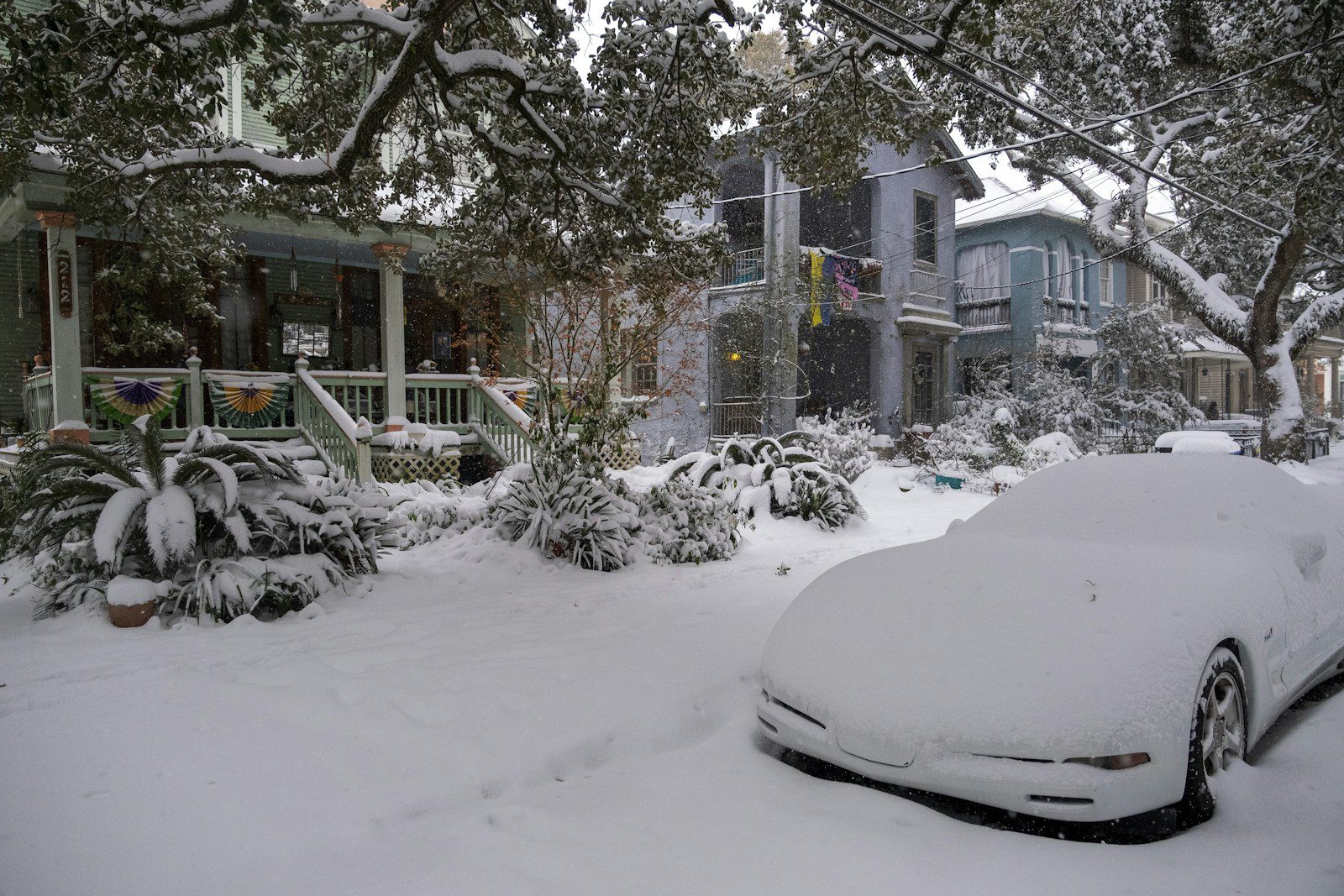
New York City woke up to a brutal reality: a winter storm that delivered record snow, dangerous cold and a mounting human toll. Five people have died in the city after being found outdoors in the freezing conditions, turning what might have been a classic snow day into something far more sobering. Even as kids eyed sledding hills and workers scrambled to log on from home, the storm’s mix of beauty and risk defined the weekend.
The system, tied to Winter Storm Fern, rolled in with heavy snow, fierce wind and subzero wind chills that tested the city’s infrastructure and its residents’ judgment. Schools shifted to remote learning, transit staggered and emergency rooms braced for cold-related injuries as the storm pummelled the wider region.
The deadly side of a picture‑perfect storm
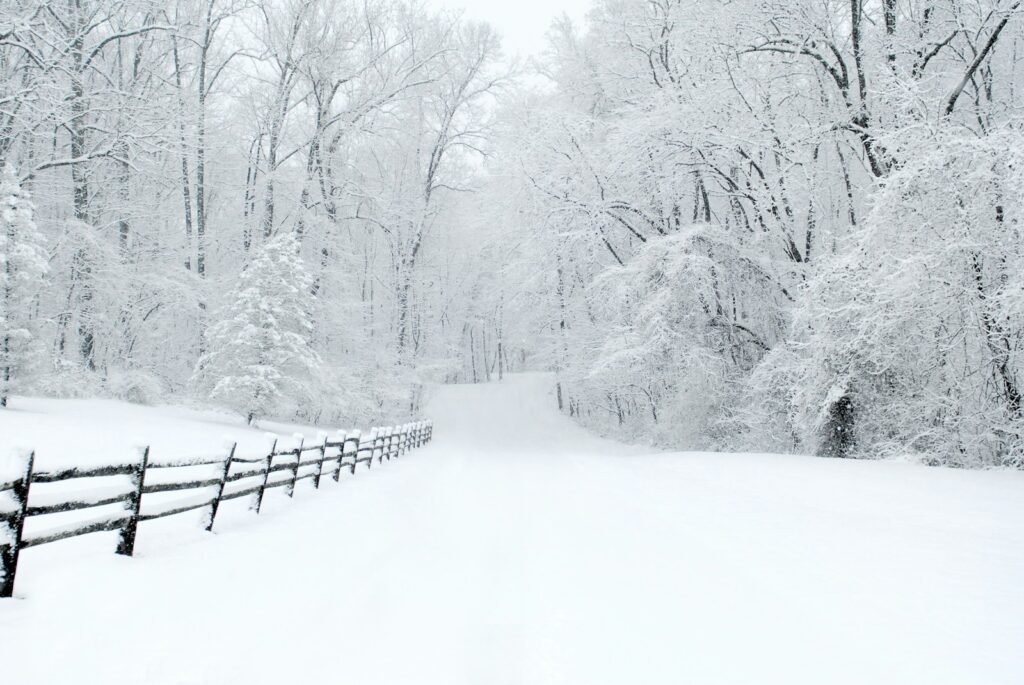
City officials say at least five New Yorkers died while they were outside in the extreme cold, a stark reminder that the storm’s biggest danger was not just on the roads but in the air itself. The bodies of the five New Yorkers were found in separate incidents, and authorities are still working to confirm the exact causes of death for each victim. Earlier, city leaders had already warned that “today, at least 5 New Yorkers died while outside,” underscoring how quickly exposure can turn fatal when temperatures plunge.
The bitter conditions did not arrive in a vacuum. The extreme cold in New York has been linked to a broader pattern of dangerous weather across the United States, with at least six deaths in the state possibly tied to freezing temperatures, according to reporting that cites Paolo Cordova. That account describes how the cold snap, captured in images like “Snow Day 2 01/25/26 Foto” by Terry W Sanders, has turned routine winter errands into high‑risk outings for older residents and people without stable housing. Health officials are now combing through hospital records to see how many cardiac arrests, falls and frostbite cases can be traced back to the same brutal air mass.
Locally, the timing could not have been worse. The extreme cold in New York City hit just as a winter storm was arriving Sunday, creating a one‑two punch of icy sidewalks and blinding snow. Officials warned that the weather may have played a role in multiple deaths on Saturday, even before the heaviest bands of snow moved in. That overlap of frigid air and fresh accumulation is exactly the kind of setup that turns a typical nor’easter into a public‑health emergency.
Record snow, remote school and a city trying to function
On the surface, the storm looked like the kind of winter event New Yorkers brag about. Snow totals in New York City were record‑breaking, with Central Park logging the most snow ever recorded for Jan. 25, a total of 11.4 inches. Across the five boroughs, double‑digit totals were common, as a winter blast buried side streets and slowed plows. In some neighborhoods, residents woke up to more accumulation than forecasters had initially expected, turning parked cars into anonymous white mounds.
The NYC area had been bracing for 8 to 12 inches, and The NYC forecast suggested the storm that slammed half the country would deliver on that range. It did, and then some, with reports of a man using a snowblower in Queens as drifts piled up around him. Citywide, the question quickly shifted from “how much” to “how fast” crews could dig out bus stops, bike lanes and crosswalks before the Monday commute.
Schools, at least, had a head start. As snow that could reach a foot or more began lashing New York City, officials announced that classrooms would shift to remote learning for Monday. That decision came after a stretch of intense debate about when to call off in‑person school, with some parents arguing that kids had already lost too much time to virtual instruction. In this case, the combination of record snow and dangerous wind chills made the choice feel less like a convenience and more like a necessity.
Fern’s wider footprint and the scramble to keep moving
What hit New York was just one slice of a much larger system. Late last week and into the weekend, Winter Storm Fern swept across huge swaths of the country, leaving nine people dead in five states and cutting power to hundreds of thousands of homes. By the time it reached the Northeast, the storm had already carved a path of downed lines and jackknifed trucks from the Plains to the Mid‑South. For New Yorkers watching national coverage, the message was clear: this was not just another coastal snow event, it was the tail end of a cross‑country hit.
Closer to home, Winter Storm Fern continues to wreak havoc on NYC travel after the historic snowfall. Planes sat on tarmacs as de‑icing crews raced the clock, and some planes never left the gate at all, leaving passengers to hunt for hotel rooms or crash on terminal floors. On the rails, service was expected to resume in phases, with transit officials warning that full schedules would lag behind the clearing of frozen switches and iced‑over platforms.
More from Decluttering Mom: