Customers usually rip open a Raising Cane’s bag to get to the chicken, not to double check the sauce count. After a Florida woman was arrested following a blowup over missing Cane’s sauce, though, the smarter move might be to inspect the order first and eat second. The incident has turned into a cautionary tale about how a small mistake at the counter can spiral once tempers and expectations collide.
She did not step in front of cameras to deliver a public warning, and there is no evidence she tried to teach anyone a lesson. The warning is really coming from the story itself: a reminder that fast food mix ups, especially around something as hyped as Raising Cane’s sauce, can bring out the worst in people if nobody hits the brakes.
The Florida sauce meltdown that started it all
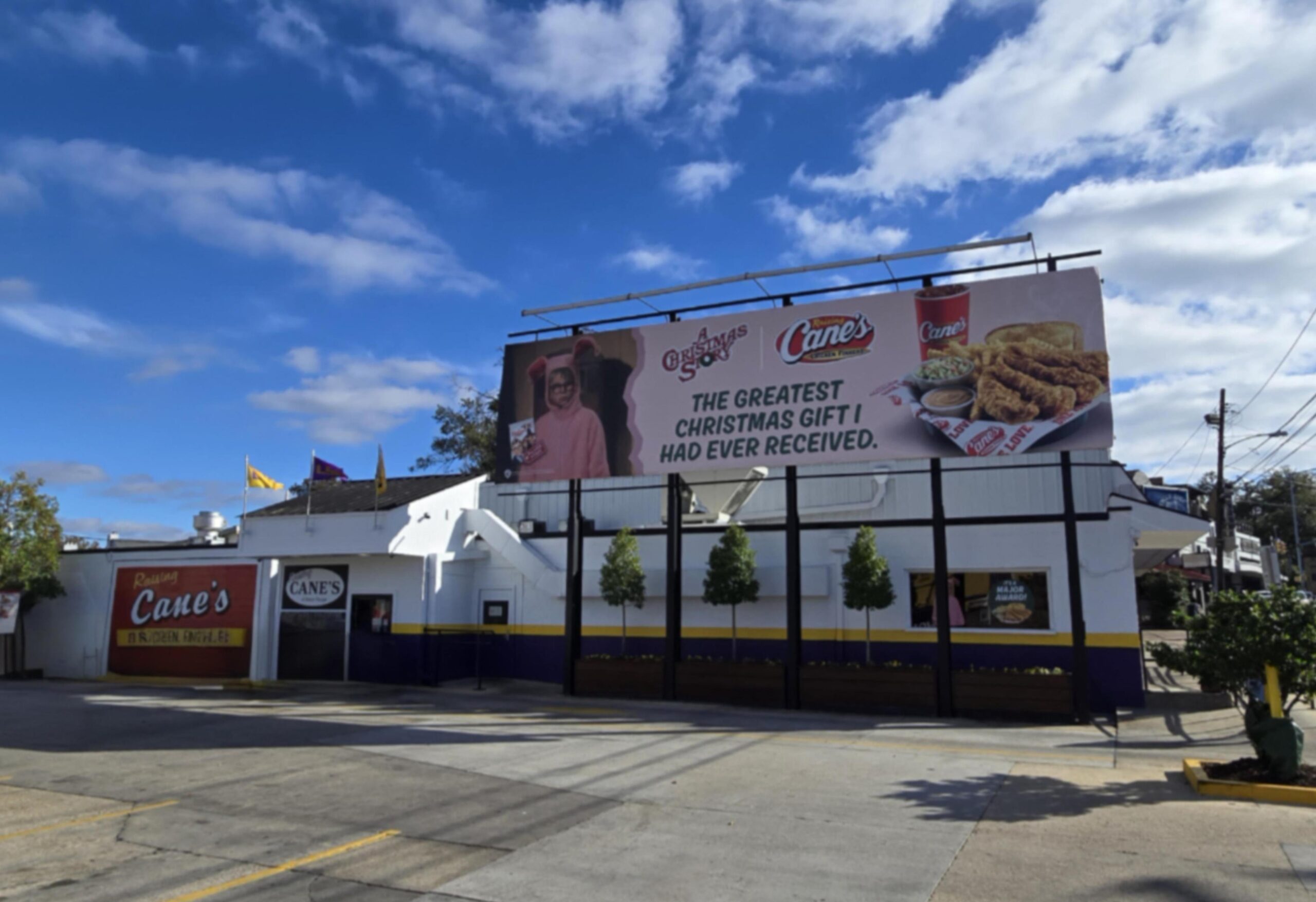
In Clearwater, what should have been a routine Raising Cane’s run ended with a woman in handcuffs and a manager nursing injuries. Police say the customer, identified as McKenzie Keeling, 31, became enraged after realizing her order did not include the Cane’s sauce she expected, then returned to the restaurant in LARGO, Fla., demanding to be made whole. According to an arrest report, she wanted compensation for what she described as missing value, including eight packs of the chain’s signature sauce, and the confrontation escalated into a physical attack on the manager who tried to handle the complaint, leaving the worker with visible injuries linked to the dispute over the 1.5 ounce container of its sauce, as detailed in coverage of McKenzie Keeling.
Investigators say the argument did not stop at raised voices. The manager reported being struck and shoved as Keeling pressed for more sauce and compensation, turning a customer service problem into a criminal case. Officers later arrested her on charges that reflect how seriously authorities treat violence in a workplace setting, even when the spark is something as trivial as a condiment dispute. The case has since become shorthand in Florida for how quickly a fast food complaint can cross the line from customer frustration into alleged assault.
What police say happened inside that Raising Cane’s
Law enforcement accounts describe a scene that started with a missing item and ended with staff scrambling to protect each other. In one version of events shared by local authorities, the woman first realized the sauce was missing after leaving the drive-thru, then circled back to the Raising Cane location in Clearwater to confront employees. When staff tried to correct the mistake, the situation only grew more tense, with witnesses telling officers that the customer’s anger spiked as she demanded more than the original order included, a detail that lines up with the description of a Clearwater woman who became enraged after not getting sauce in her Raising Cane order in Clearwater.
Officers say the confrontation moved from the counter area toward the exit as staff tried to de-escalate, but the customer allegedly followed the manager, continued yelling, and then struck out physically. The report notes that other employees and bystanders watched as the argument turned into a scuffle, forcing workers to call police instead of serving the line of customers still waiting for food. That chain of events, from missing sauce to a full-blown disturbance, is now part of the public record and a reminder that a fast food lobby can become a crime scene in a matter of minutes.
Inside the viral narrative: from missing sauce to “berserk”
Once the arrest paperwork was filed, the story did not stay confined to a local blotter. It spread quickly online, where the phrase “goes berserk” became shorthand for how the Florida woman reacted to the missing Raising Cane’s sauce. Coverage described how she allegedly demanded eight packs of Raising Cane’s sauce, then pushed for additional free items, with police saying her behavior crossed into criminal territory when she refused to calm down and allegedly attacked the manager, a sequence laid out in reports on a Florida woman who went berserk over sauce.
Social media users latched onto the most outrageous details, especially the idea that a fight over a handful of condiment cups could land someone in jail. Memes and comments framed the incident as proof that people have lost perspective, while others joked darkly about how addictive Cane’s sauce must be if it can trigger that level of rage. Lost in the noise was a more practical takeaway: if customers and staff had slowed down long enough to check the order and talk through the mistake, the story might never have gone viral in the first place.
How the arrest unfolded in LARGO, Fla.
After the confrontation inside the restaurant, staff in LARGO, Fla. called police, who arrived to find a shaken manager and a customer still on the scene. Officers documented injuries they say were consistent with the manager’s account of being assaulted during the argument over the Raising Cane sauce, and they took the woman into custody on charges that reflect both the alleged battery and the disruption inside the business. Court records indicate she was booked into the local jail and later released after posting bond, a detail that matches reports that she has since bonded out of jail in LARGO, Fla.
The arrest report, which has circulated widely, paints a picture of a routine shift that went sideways for the Raising Cane manager who tried to help. Instead of a quick fix at the counter, the worker ended up giving a statement to police and later navigating the court process as a victim in a criminal case. For employees across the fast food industry, the story has become a talking point about the risks they face when a simple customer service issue turns volatile.
What the Instagram affidavit reveals about the confrontation
An affidavit shared on social media adds more detail to how the argument played out. In that account, officers say the defendant first asked staff to assist her with the missing item, and the manager responded by providing the sauce she said was left out. The document then notes that the defendant requested additional sauces for free for what she claimed was a larger order, a request the manager declined, which appears to have been the moment the tone shifted from complaint to confrontation, as described in an Instagram post summarizing how the defendant requested more sauce.
According to that affidavit, the manager’s refusal to hand over extra free sauce led to shouting, physical contact, and a scene that drew the attention of other customers. The document underscores that the initial mistake, the missing sauce, was actually corrected before the situation boiled over. It was the dispute over additional freebies, not the original error, that allegedly pushed the encounter into criminal territory, a nuance that gets lost when the story is reduced to a punchline about someone “snapping” over a single condiment cup.
Why Raising Cane’s sauce inspires such intense reactions
Raising Cane’s has built its entire menu around a tight focus on chicken fingers, crinkle-cut fries, Texas toast, and that signature sauce, so it is not surprising that fans treat the condiment as nonnegotiable. The chain’s branding leans into the idea that the sauce is essential, not optional, and regulars often talk about it as the main reason they choose Cane’s over competitors. When a customer orders a combo and finds the sauce missing, it can feel like the core of the meal has been stripped away, which helps explain why someone already having a bad day might react more strongly than the situation deserves.
That emotional attachment is part of a broader trend in fast food, where limited menus and cult favorite items create a sense of scarcity and urgency. When people drive out of their way for a specific craving, any slip up at the counter can feel personal. The Florida case shows what happens when that sense of entitlement meets a refusal to accept a simple fix, turning a minor service error into a flashpoint that affects workers, customers, and eventually the criminal justice system.
Fast food flashpoints are not just a Florida problem
The Raising Cane’s incident in Florida is not an isolated outburst. Across the country, workers have reported a steady stream of confrontations tied to missing items, long waits, or perceived disrespect. In one recorded case involving Raising Cane’s, a customer dispute over missing sauce was captured on video and later discussed in a hearing where a voice can be heard saying that the state attorney will probably work with the defendant, and another person admits they thought a name tag was something else entirely, a moment preserved in a clip labeled as a customer assaults employee over missing sauce.
These episodes highlight how quickly a routine interaction can escalate when frustration, miscommunication, and entitlement collide. For workers making close to minimum wage, the risk is not just verbal abuse but physical harm, as seen in the Florida case. For customers, the fallout can include arrest records, legal fees, and public embarrassment that far outweigh the value of any missing food item. The pattern suggests that the real problem is not the sauce itself but the way people handle disappointment in high stress, low margin environments.
Commentary, comedy, and the Budman reaction
As the story spread, local personalities and commentators weighed in, often blending genuine concern with gallows humor. One radio host, Budman, framed the episode as a wild overreaction, noting that everyone loves good sauce with their chicken but that this Florida woman took things way too far when the situation took a turn for the much worse. His take, shared in a segment about how Budman reacted to the case, captured the mix of disbelief and exasperation many people felt reading about the arrest.
That kind of commentary can make the story feel like a punchline, but it also reinforces a simple message: there is a line between being a picky customer and becoming a public safety problem. By treating the incident as both absurd and serious, voices like Budman’s help underline the stakes for anyone tempted to let a fast food mistake ruin their day. The humor lands precisely because the underlying behavior is so disproportionate to the original issue.
The bigger consumer lesson: check first, escalate never
Stepping back from the Florida drama, the practical takeaway for customers is straightforward. Before driving off, it helps to open the Raising Cane’s bag, check that the sauce cups are there, and calmly ask for a fix if something is missing. That small habit can prevent the kind of frustration that builds during the drive home, when people discover the mistake too late and feel compelled to turn around angry. The Florida woman at the center of this story did not publicly urge anyone to inspect their orders, but her case functions as an unintentional warning about what can happen when a simple complaint turns into a confrontation.
The cautionary angle is not limited to fast food. In another corner of consumer life, investigators recently detailed how a Missouri man allegedly sold the same car to eight different people on Facebook, then stole it back within 24 hours each time, a scheme now viewed as a reminder of how quickly an online deal can turn into an expensive mistake for buyers who do not verify what they are getting, as described in a report on a Missouri man accused of repeatedly reselling the same vehicle. Whether it is a used car or a box of chicken fingers, the pattern is the same: double check what you are getting, speak up early if something is off, and keep the conversation civil so a fix stays a fix instead of becoming the next viral cautionary tale.
More from Decluttering Mom: