

Scroll through social media and you will hear it constantly: minimalism is dying. “Minimalism is overrated.” “Can minimalism just die already?” Marissa of A to Zen Life says everywhere she looks, minimalists are “dropping like flies,” with some loudly quitting and others quietly disappearing.

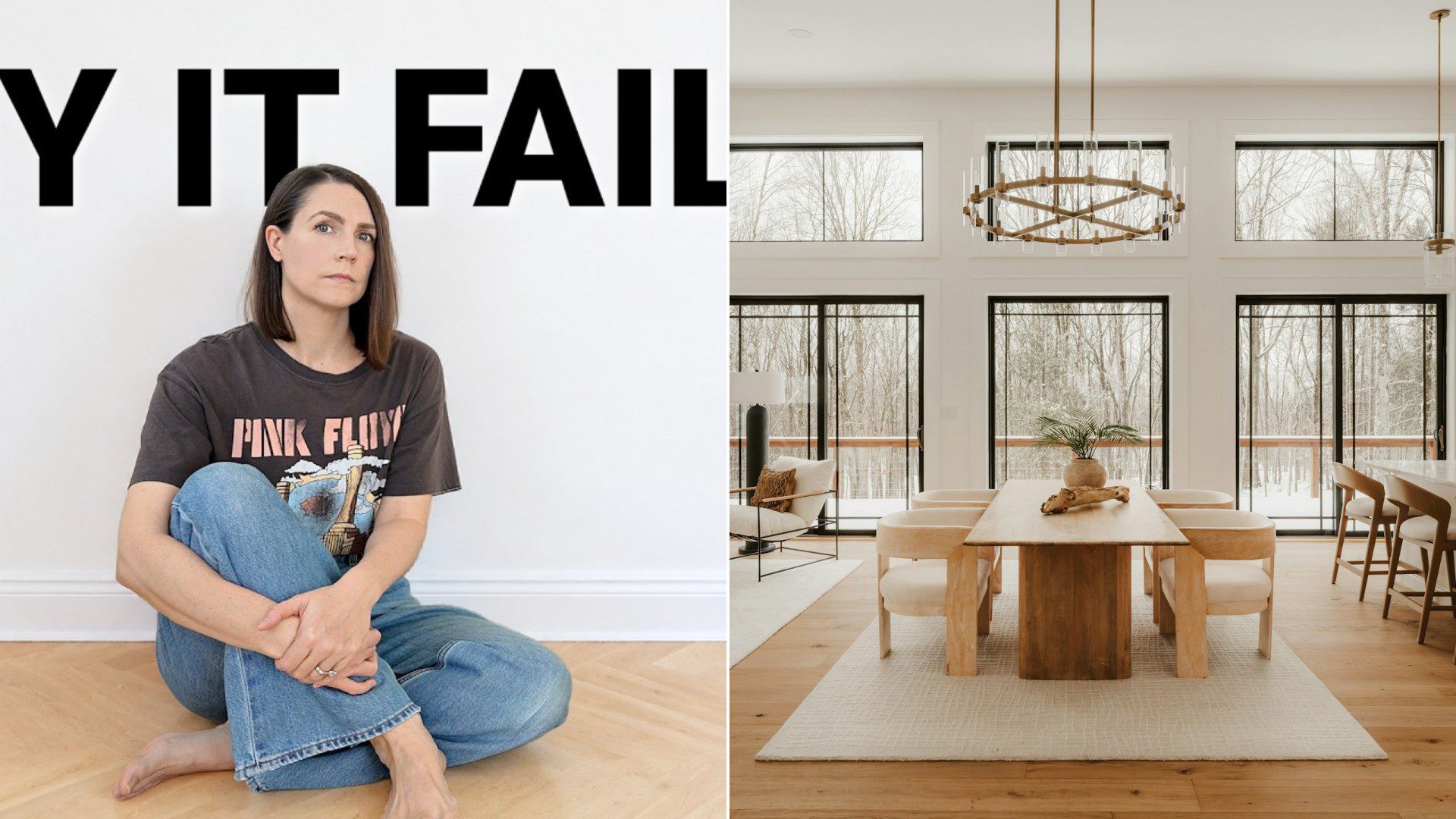
She has standing to talk about it. She went from hoarder to minimalist, got rid of over 90% of her possessions, and has lived that way for more than 10 years. Her question is whether minimalism is really the problem, or whether people are falling into the same traps that sent them looking for it in the first place.

Trap One Is Believing Minimalism Means Living In A Rain Barrel
Marissa starts with the first reason people quit: they think minimalism is too extreme or restrictive. She points to the ancient Greek philosopher Diogenes, who according to legend lived in a rain barrel and tossed out his drinking cup after watching a boy drink from a fountain with his hands.
“The average person doesn’t want or need to live in a rain barrel and own next to nothing to experience the benefits of minimalism,” she says. A single guy living out of a backpack will live very differently from a family of four like hers in the suburbs. Her own version is simple and calm, and she says the goal is to find “the joy and freedom of enough.”
Trap Two Is Treating Decluttering Like A Cure For Everything
The second trap is toxic perfectionism. She describes a story of one person who would never allow themselves more than 40 items at a time, and who donated baking pans after a single use only to buy them again later.
Her point is that the system did not fail that person. “Minimalism is not a magic cure all, because getting rid of your clutter doesn’t automatically fix the underlying problems that caused it in the first place.” Someone who struggles with compulsive shopping also needs a budget and possibly a therapist.
She speaks from experience. Clearing out 90% of her belongings was a huge step after 30 years of clutter, but she also had to deal with the beliefs and emotional baggage that made her hold on to all of it.
Trap Three Is Jumping On The Bandwagon And Jumping Right Off
Trends come and go, Marissa says, and plenty of people hopped on the minimalism bandwagon when it was rising and left when it faded. She says the same pattern has played out with frugal living, the zero waste movement and even veganism.
Her own start came when a neighbor introduced her to Marie Kondo’s book, The Life-Changing Magic of Tidying Up. It was a great starting point, she says, but parts did not fit a busy mom’s life. Even Kondo now admits that keeping a perfectly tidy house with three kids is almost impossible.
The difference, she says, is that she adapted the idea instead of giving up. “If you’re only doing something because everyone else is, you’re probably going to stop when everyone else does, too.”
Trap Four Is Counting Your Stuff Like A Scoreboard
The fourth red flag is the comparison trap, from the size of your home to the number of clothes in your closet. Marissa calls counting your possessions “one of the most toxic habits to ever exist in the minimalism space.”
“Owning 50 things or less doesn’t automatically make you happier, healthier, or more fulfilled than someone who owns 500 or 5,000 things.” Measuring happiness by how little you own just swaps the pressure to own more for the pressure to own less.
She says she keeps what she loves, including a Pink Floyd shirt, a 15-year-old maternity dress from her first pregnancy, and a bathrobe she thrifted for $5 at Goodwill and turned into an olive green cardigan.
Trap Five Is Mistaking The Beige Look For The Lifestyle
Next she says people confuse what minimalism looks like with what it means. Somewhere along the way, white walls, no furniture and a love of beige became entire personalities.
“There’s a huge difference between the minimalist aesthetic and living a minimalist lifestyle.” A home is meant to be a place for living, she says, not “a perfectly staged Pinterest photo where everything looks pretty but nothing is practical.” Putting looks ahead of function is a sign your priorities are backwards.
Trap Six Is Buying More Stuff To Own Less
Her sixth reason is that capitalism has taken a good idea and ruined it. Brands figured out they could make a fortune selling people more things in the name of owning less, so shoppers now see minimalist backpacks, wallets, watches and non-toxic cookware sets that cost hundreds of dollars yet wear out after a year or two.
“There’s nothing that you can buy that will magically make you a minimalist.” She adds that your best minimalist home probably already exists, buried under the excess. “Minimalism isn’t a shopping list. It’s a mindset.”
She also says she turns down nearly every sponsorship pitch that lands in her inbox, and that she has found copycat channels lifting thumbnails and stories from real minimalists, including her own.
Trap Seven Ignores Who Can Afford To Let Things Go
The last reason is the trickiest: minimalism carries a certain amount of privilege. When you are living paycheck to paycheck, you may not be able to toss perfectly good items you could not afford to replace later.
She ties this to Maslow’s hierarchy of needs, the pyramid with food, water, shelter and safety at the bottom. If you are struggling to keep a roof over your head, she says, you have bigger fish to fry than owning less.
She also points out a gender divide. Many of the best-known minimalism voices are men, and she wonders whether women, who often carry more of the mental load of running a household, see themselves in those stories. For her, the answer is more voices showing “that minimalism doesn’t have to look one particular way.”
How To Keep Minimalism From Backfiring On You
Marissa’s closing message is that “minimalism should be accessible to everyone everywhere, not just people who can afford to make their lives look empty.” A few ideas follow from her seven traps.
- Build your own definition. Her version works for a suburban family of four, and yours can too.
- Know your reason. If you lose sight of why you started, the changes will not last.
- Skip the item count. A number tells you nothing about how happy you are.
- Do not shop your way to simple. Use what you already own first.
- Deal with the habits behind the clutter, like impulse spending, not just the piles.
After more than a decade, she says she is still here because minimalism “was never just a trendy lifestyle that I wanted to try. It was a way of living that genuinely made my life better.”
More Stories You May Like
- Just Over One In Five Americans Borrowed Money To Pay For Christmas 2025 And 77% Of Them Used It For Gifts, So Rethink The Pile Of Presents That Becomes Clutter
- Marketplace Buyer Asks You To Read Back A Code Texted To Your Phone, And That Simple Request Is How Scammers Try To Take Over Your Accounts
- Someone Over 60 Who Lives Alone Took Twelve Things Out Of Their Home After Their Knees And Back Paid For Every Fluffed Pillow And Dusted Shelf