

The message looks harmless. You listed a couch, a crib or a set of dishes online, and a buyer writes back: “Is this still available? Before I come out, I need to verify you are real. I just sent you a code. Can you read it back to me?” It sounds like a small, polite request. It is not. That one favor is how scammers try to take over accounts.

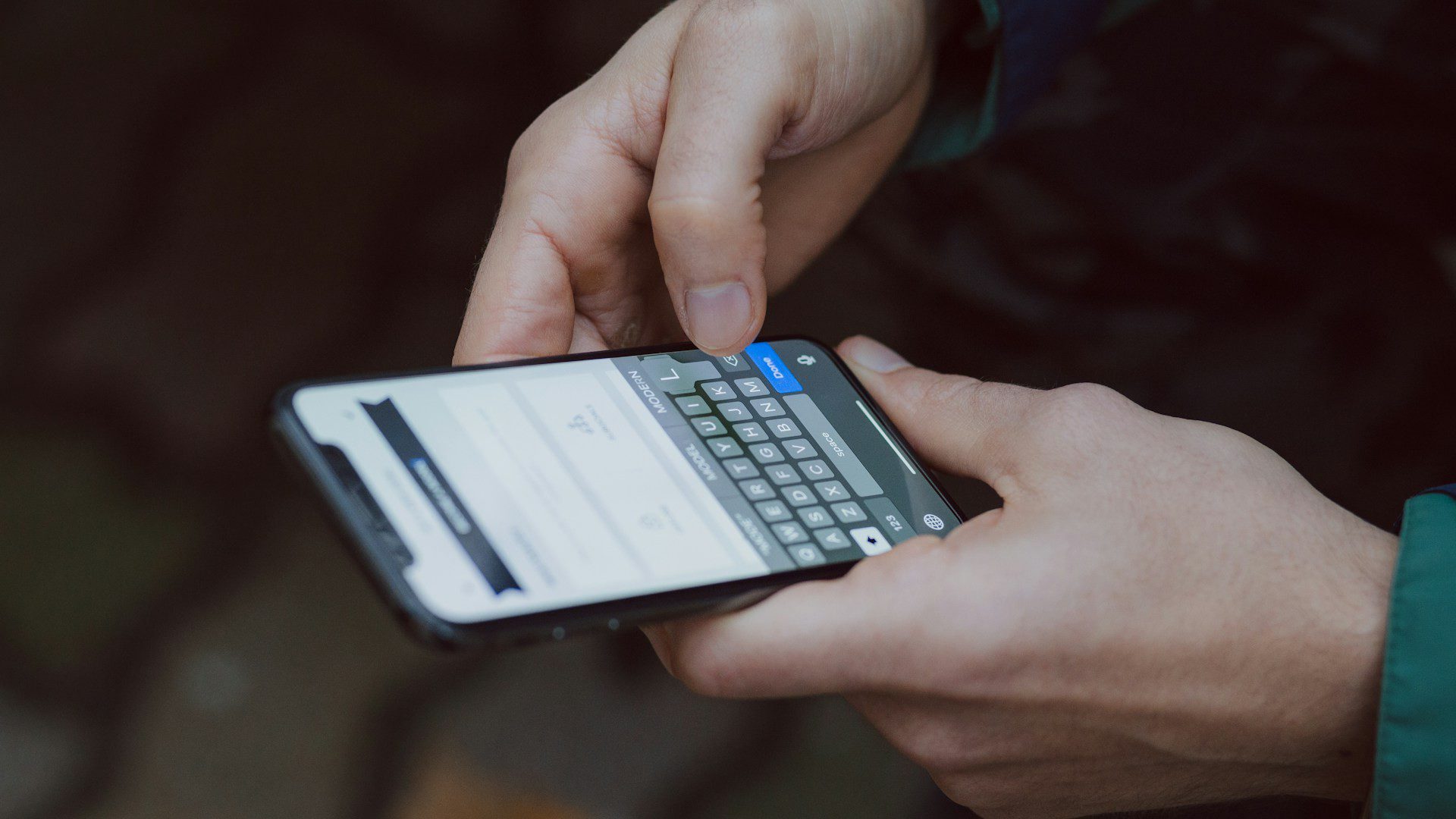
Here is the plain truth. A legitimate buyer never needs a code texted to your phone. Not to check you are real, not to hold the item, not to send payment. If someone asks for one, you are talking to a scammer.
What Those Codes Really Are
Those texted codes are one-time passcodes. Many companies send them when you log in, when you reset a password, or when you set up an account on a new device. The code is meant to prove that the person trying to get in has your phone in their hand.
So when a stranger asks you to read one back, here is what is really happening. The scammer is trying to log in to something, or sign up for something using your phone number, and the system sent the code to you. They need you to hand it over to finish the job. When you read it out, you are handing over the key.
How The Story Usually Goes
The scammer starts like any other buyer, friendly and interested. They may say they want to avoid fake sellers, or that the platform requires a quick check. Some say they are worried about being scammed themselves, which makes you feel like you are building trust together.
Then the code shows up on your phone. The text may look like it came from a company you know, because it did. It was triggered by the scammer’s attempt to get into an account. They ask you to read the digits back, and the story is always fast and friendly so you do not stop to think.
Once they have it, the damage depends on what they were trying to reach. It could be an account tied to your phone number, or a new account tied to your phone number, which they can then use to run more scams on other people. Either way, you are left to sort out the mess, and your phone number is what connects the trouble to you.
The Simple Rule
Never share a verification code with anyone who contacts you. Never. A code is meant for you alone, and the only place you should type it is into the company’s own app or website, when you are the one who started the login or reset.
If the text itself says something like “do not share this code with anyone,” believe it. That warning is printed there for exactly this reason.
Red Flags In A Marketplace Chat
- A buyer says they sent you a code and asks you to read it back.
- A buyer who says you need to “verify” your account or identity before they can buy.
- Someone who insists on moving the chat off the app right away.
- A buyer who sends you a link and asks you to log in or enter your details.
- Strong urgency: “I need this today” or “I am sending my driver now.”
- A buyer who does not ask about the item itself, only about your phone or account.
What To Do If A Code Shows Up Unexpectedly
If a code arrives and you did not ask for it, do not read it to anyone and do not click any links that come with it. Someone may be trying to get into one of your accounts. Ignore the code, and consider changing the password on the account it names.
Turn on extra protection for your important accounts, like your email, your bank and your social media. Use a strong, unique password for each one. If a company offers a more secure sign-in option, take it.
If You Already Shared A Code
- Stop talking to the buyer and do not send anything more.
- Change the password on any account that may be affected, starting with your email.
- Check your accounts for anything you do not recognize, like new logins or messages you did not send.
- Contact your phone company and your bank if you think your number or money is at risk.
- Warn friends and family, since scammers sometimes use a hijacked account to message the people you know.
- Report the buyer to the marketplace, and report the scam to the Federal Trade Commission at ReportFraud.ftc.gov.
Keep The Sale Simple
A real sale needs very little. A buyer needs to see the item, agree on a price and pay you. None of that involves your phone’s text messages. If someone is asking for more, slow down and say no.
It is perfectly fine to answer, “I do not share codes with anyone.” A real buyer will shrug and move on. A scammer will push, and that push tells you everything you need to know. Block them, report them and go back to selling.
More Stories You May Like
- Minimalism Author Joshua Becker Shares the Powerful Question to Ask When Decluttering That Pushes Past Your Comfort Zone
- Five Ruthless Decluttering Tricks That Go Against Everything You Have Heard Are Shared by a Woman Who Used Them to Empty Her Packed Attic
- Professional Says You Do Not Need Another Bin You Need Six Decluttering Rules That Actually Work